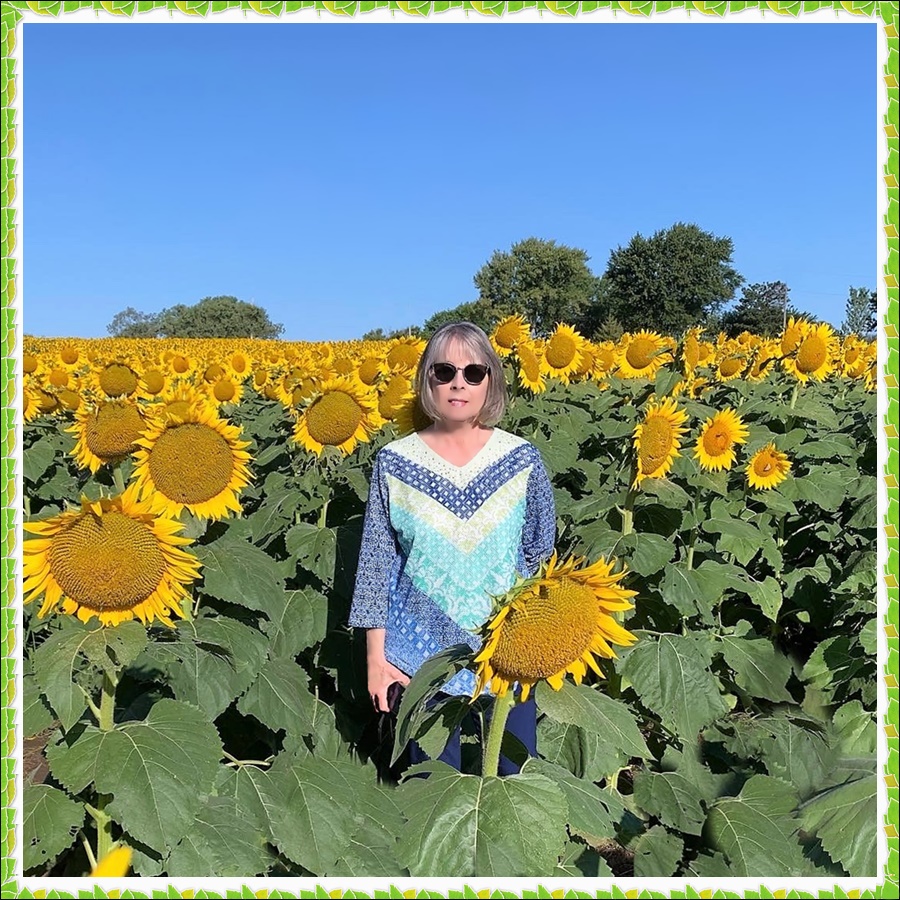
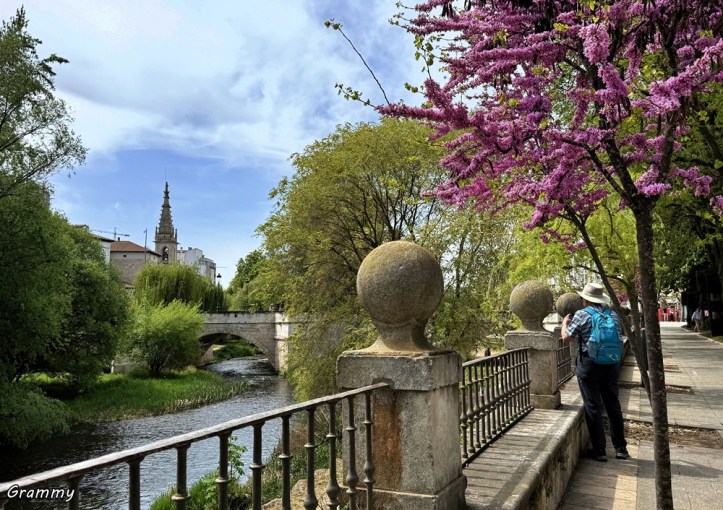
After Madrid, Toledo, Valencia, Granada, and Córdoba (see prior post Discovering the Heart and Soul of Spain), we arrived in Seville, home to some of Spain’s most famous landmarks. Between royal palaces, grand cathedrals, lively plazas, flamenco music, and endless tapas, Seville quickly became one of our favorites.
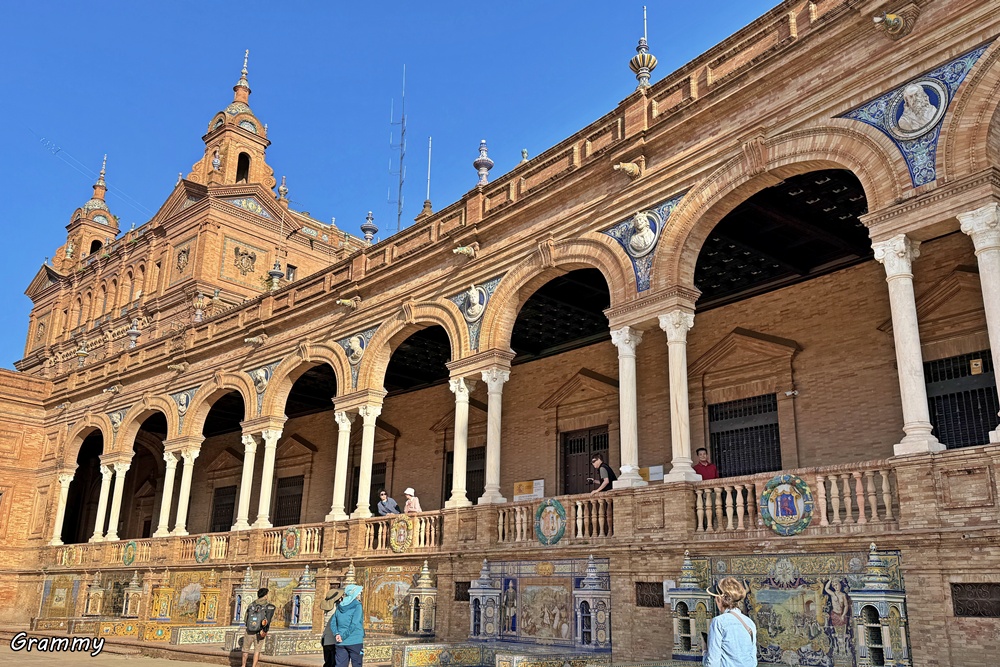
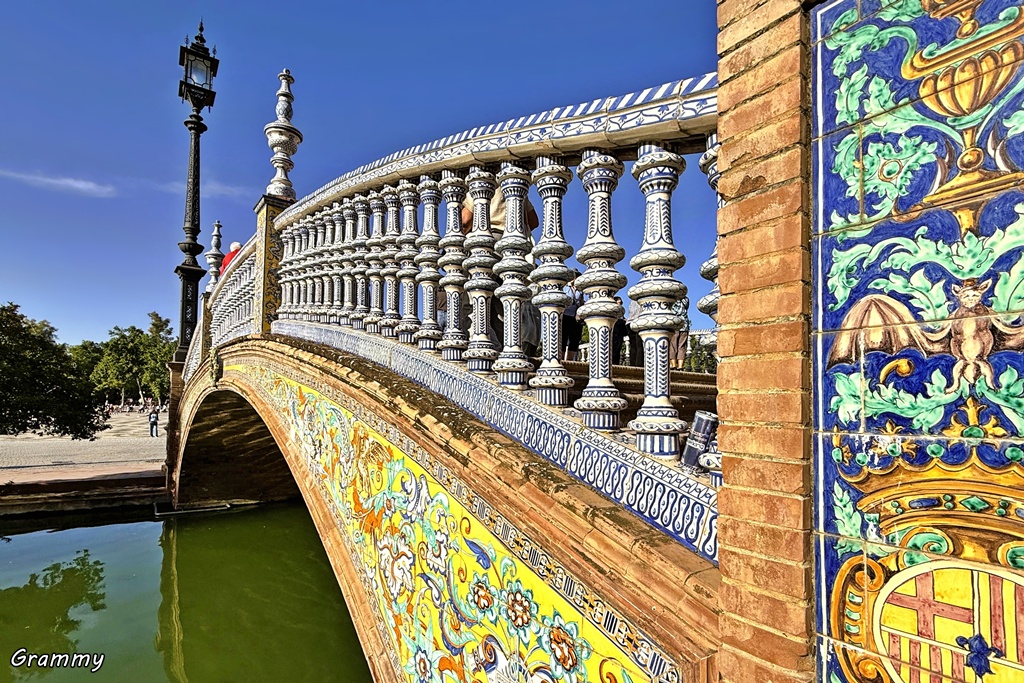
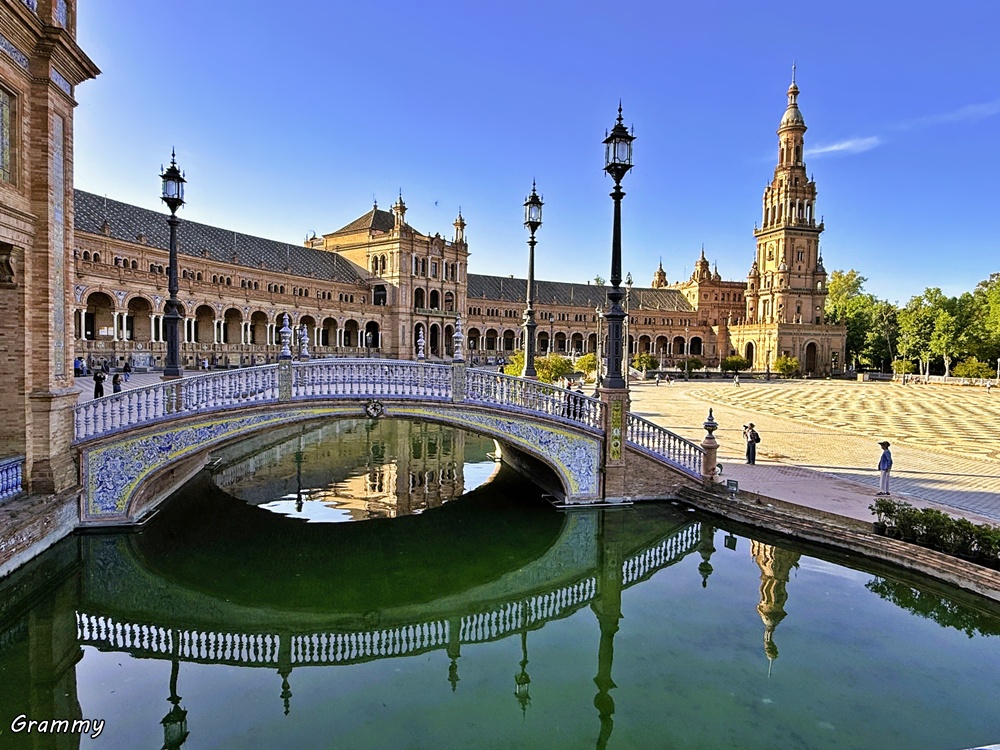
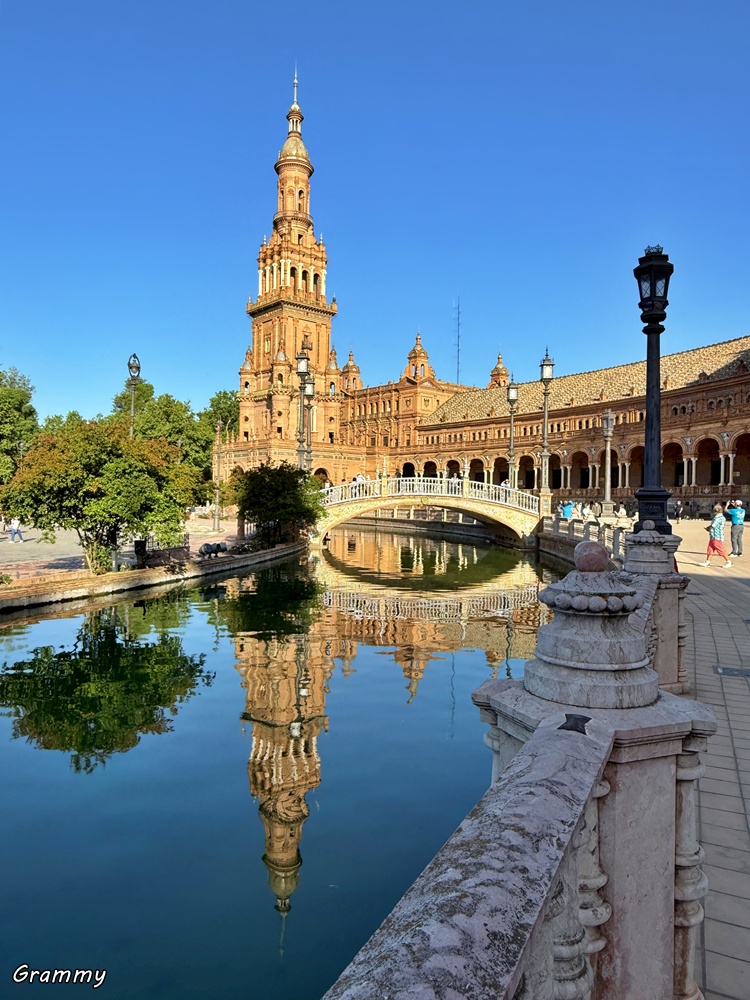
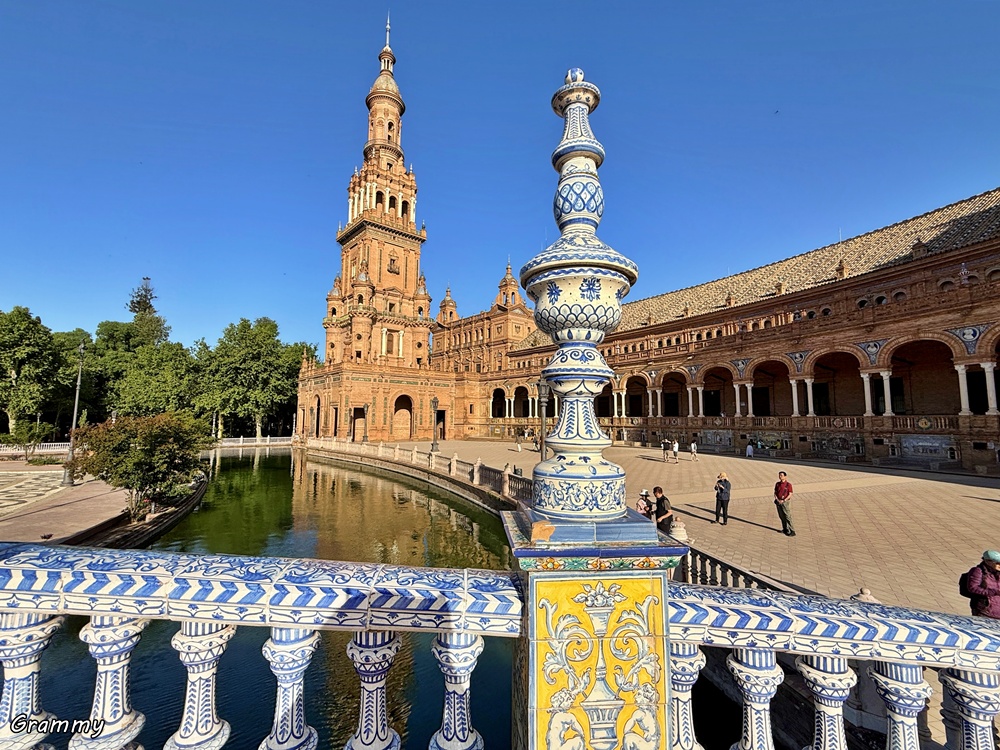
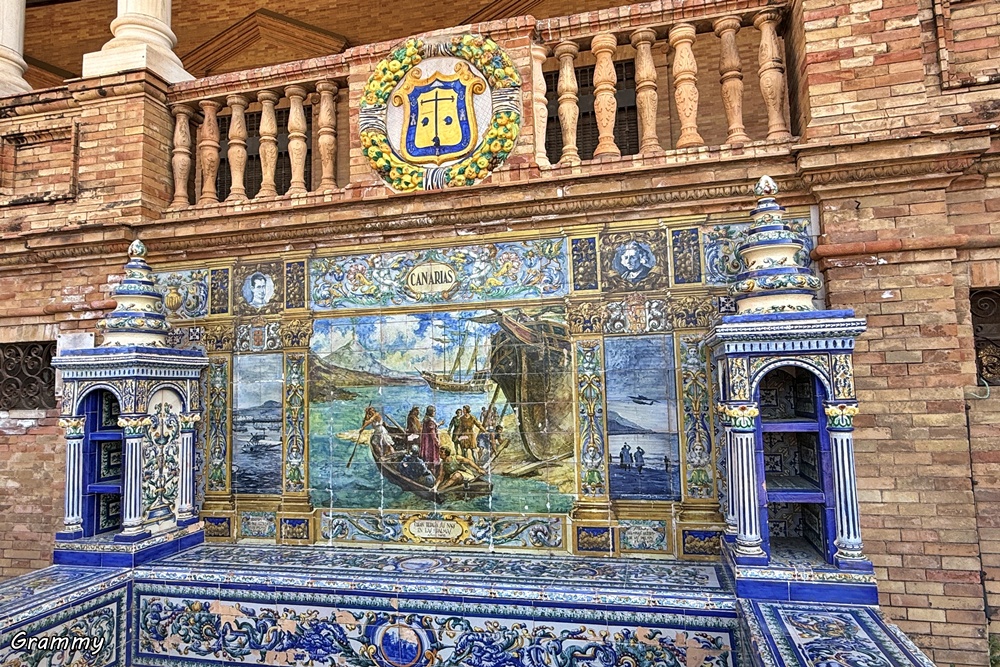
We explored the stunning Plaza de España, a massive square tucked inside María Luisa Park. Built for the 1929 Ibero-American Exposition, it combines Renaissance Revival elegance with Moorish flair. It is impossible not to stop every few steps for another photo.
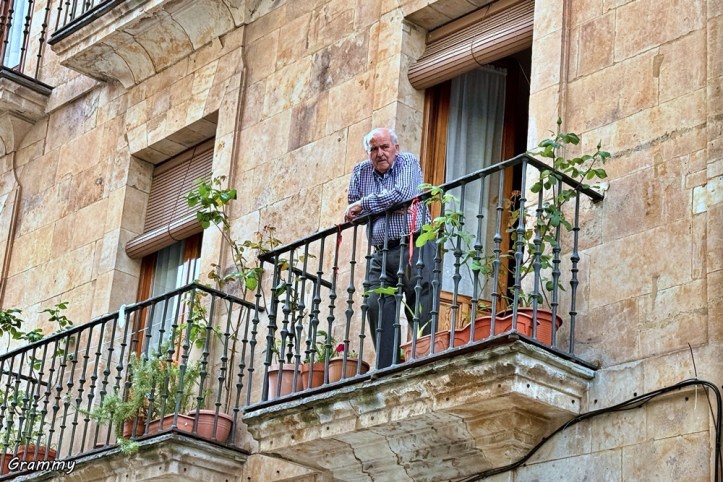
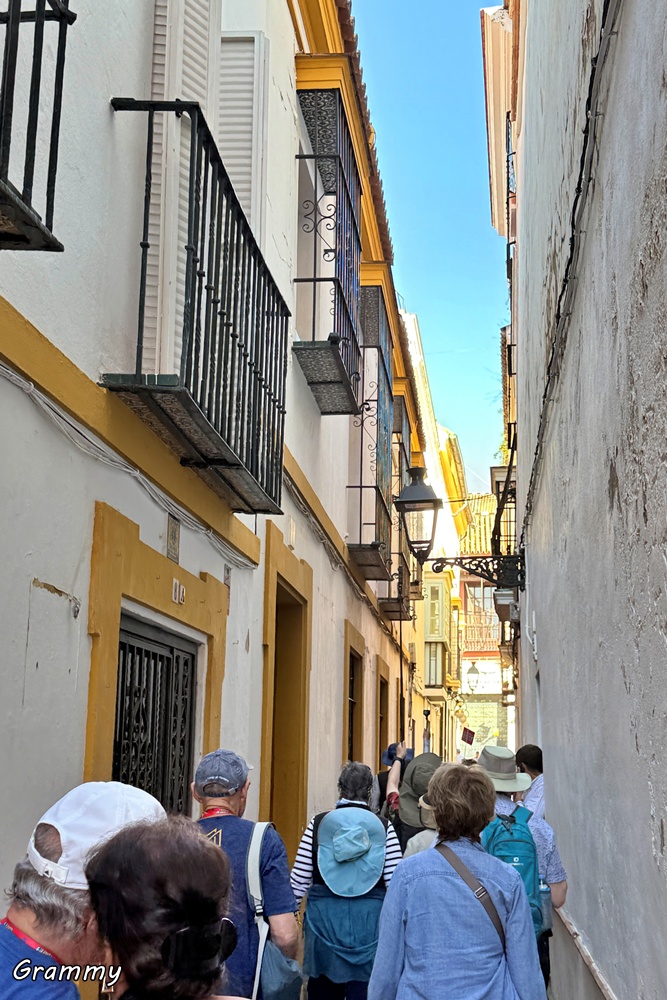
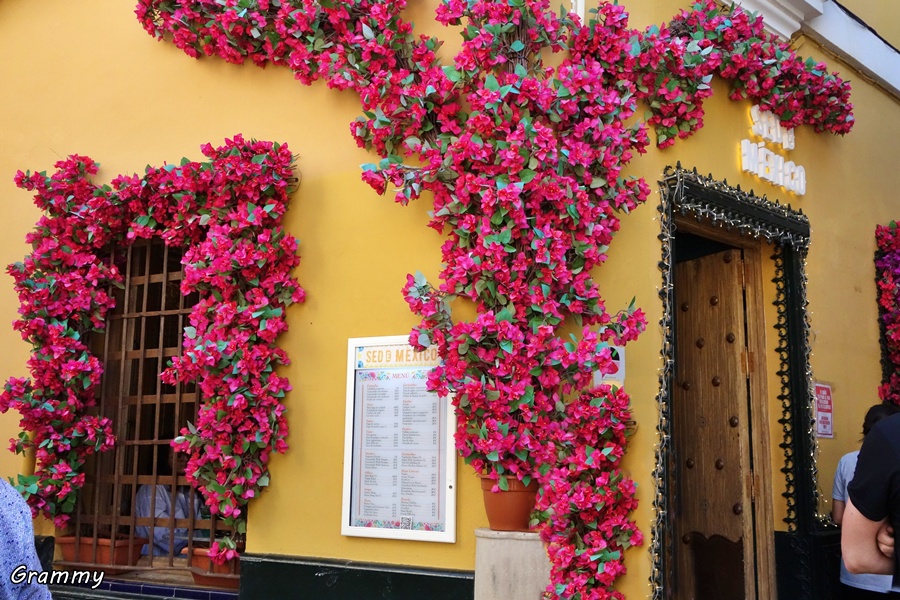
We also wandered through Barrio Santa Cruz, Seville’s charming old Jewish Quarter. It is a maze of narrow lanes, hidden courtyards, and flower-filled balconies. Around every corner is another picturesque street begging to be explored.
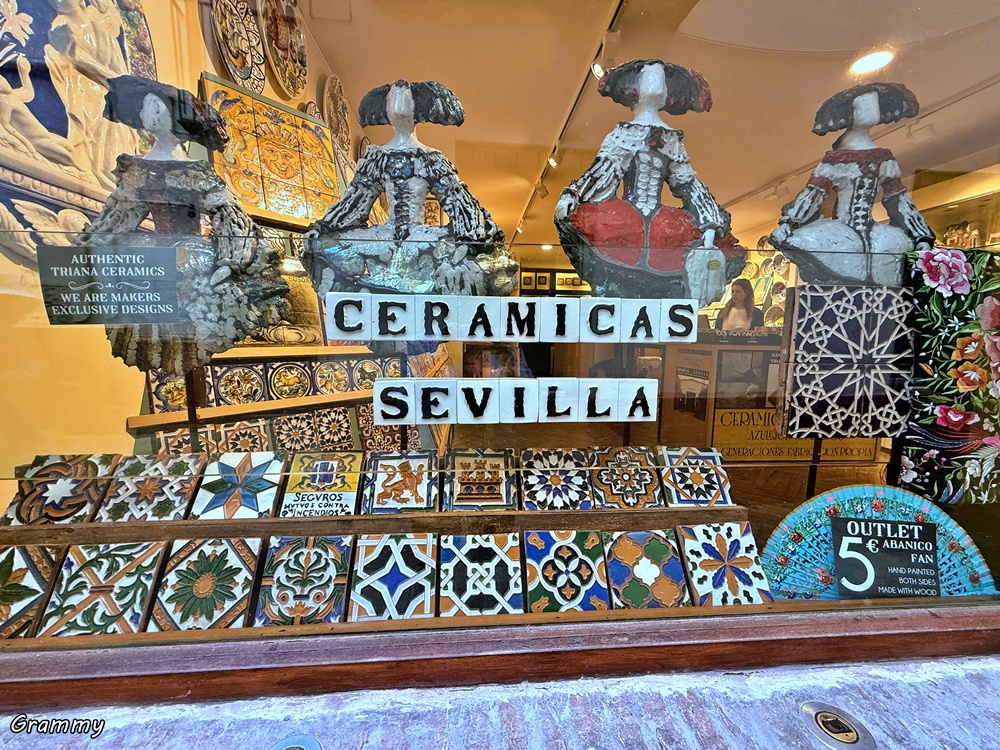
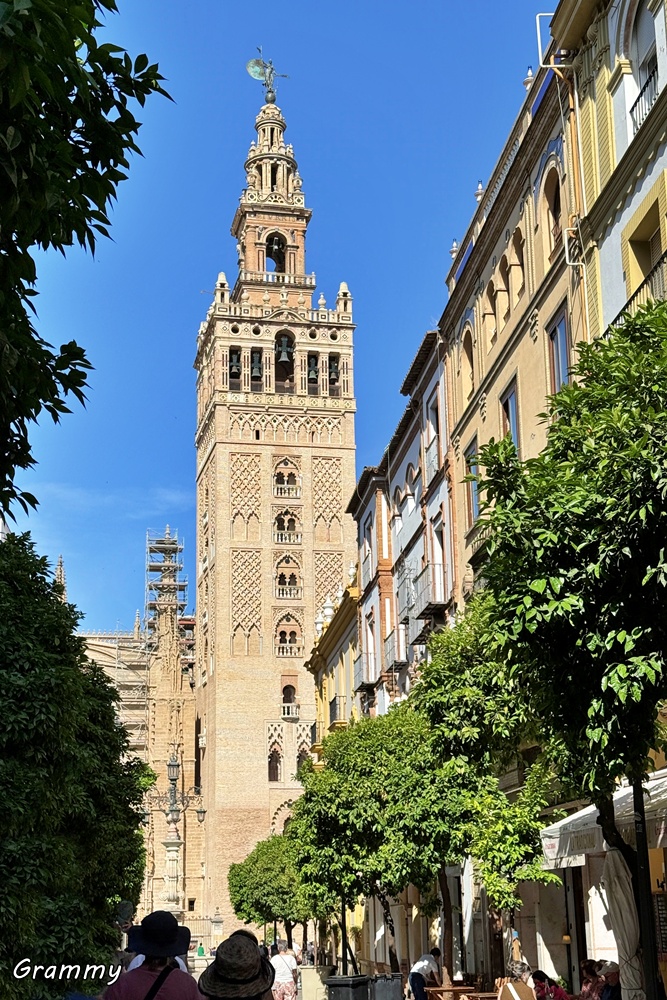
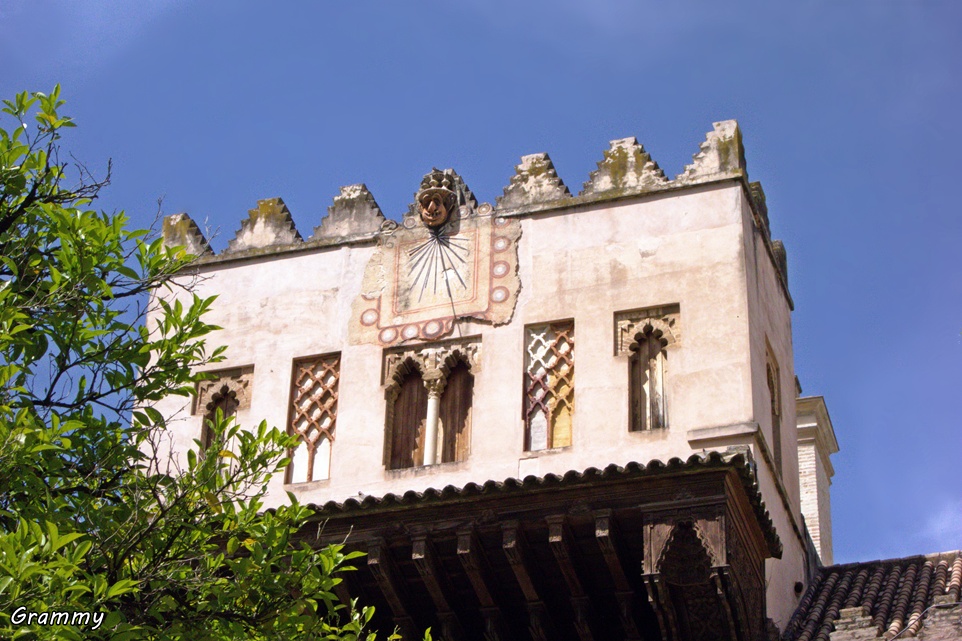
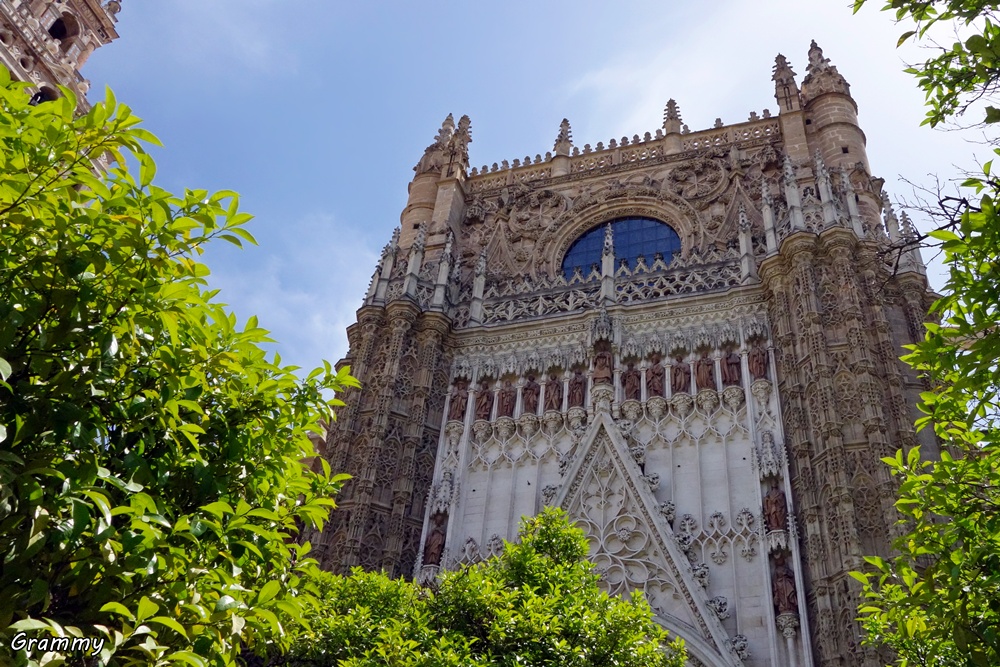
No visit to Seville would be complete without seeing the Cathedral. As one of the largest cathedrals in the world, it dominates the city skyline. Built in the 15th century and designated a UNESCO World Heritage Site, the cathedral’s scale, artistry, and sense of history make it unforgettable.
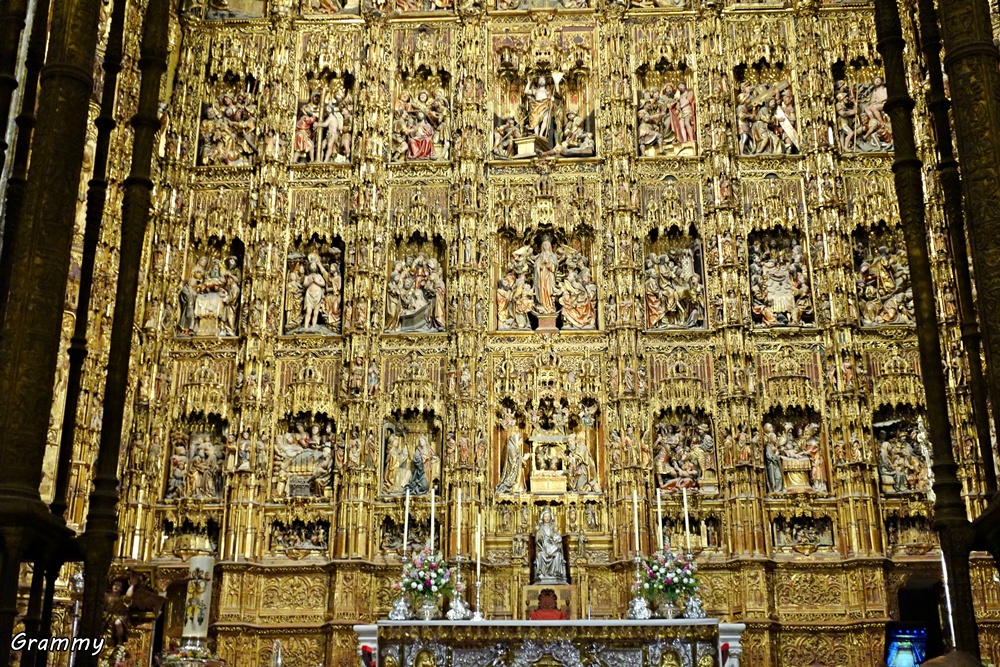
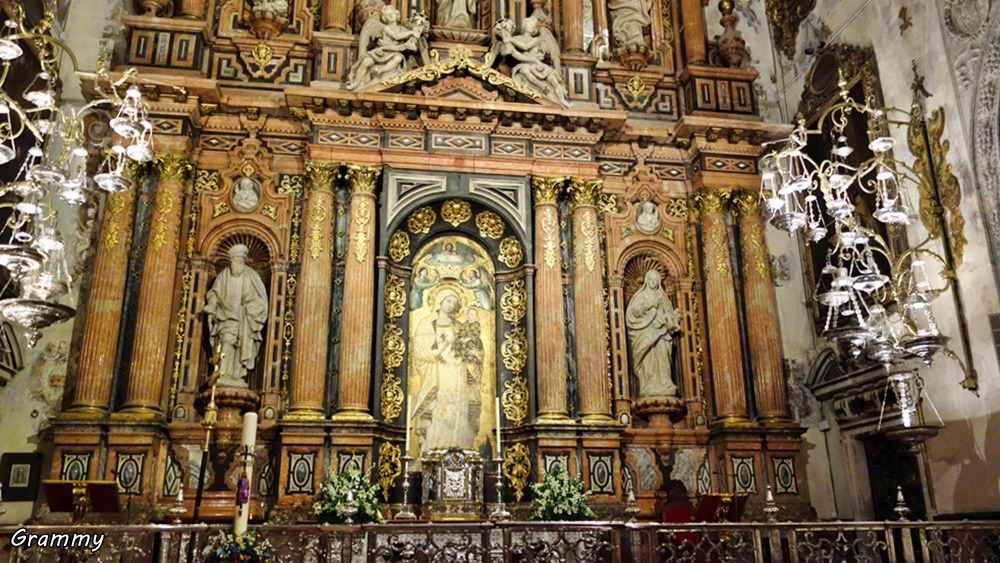
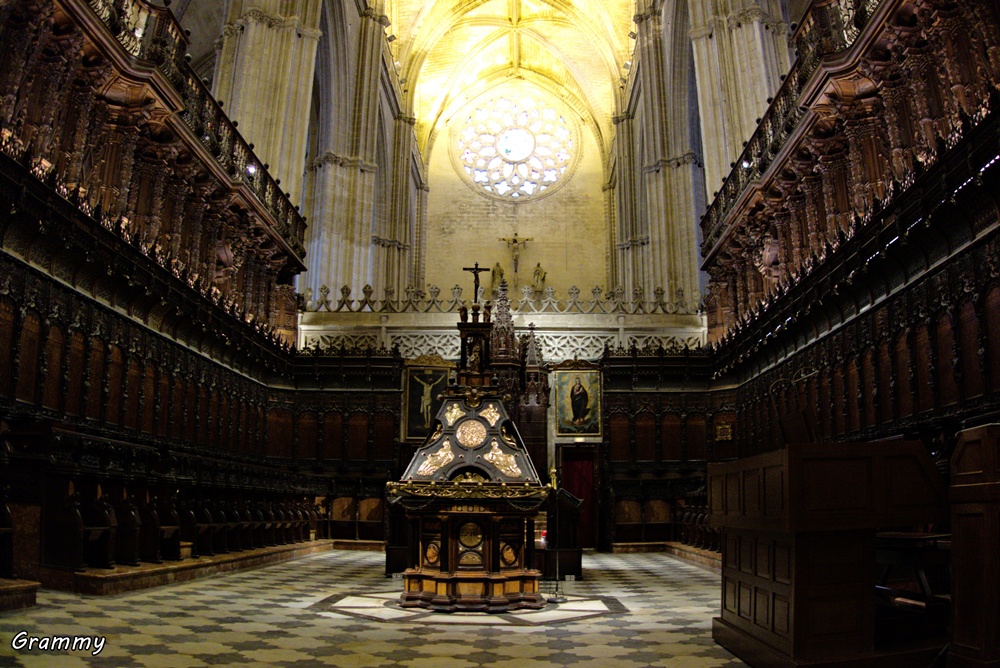
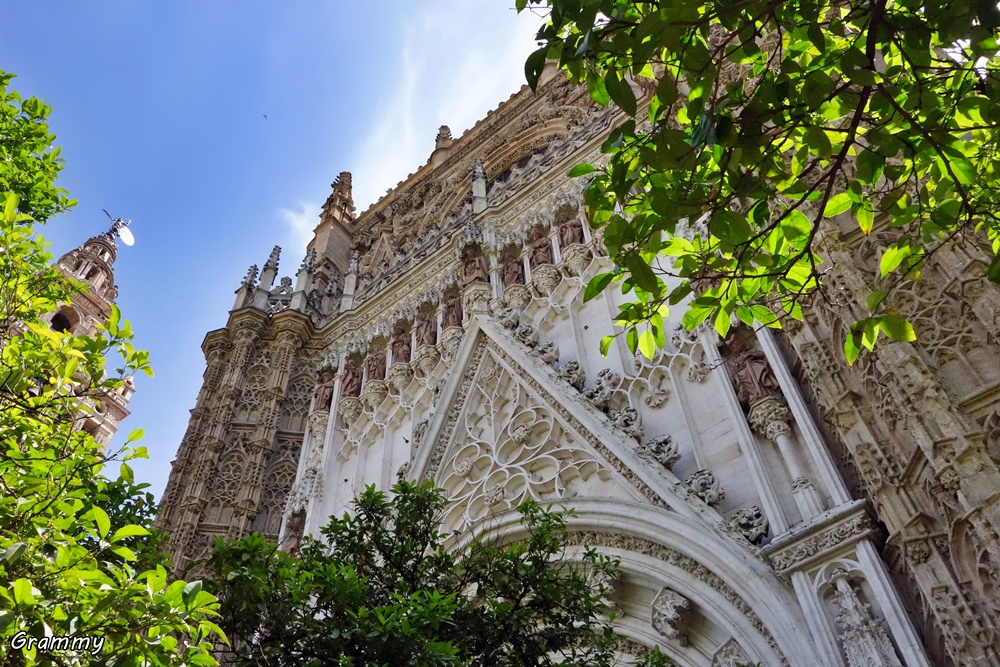
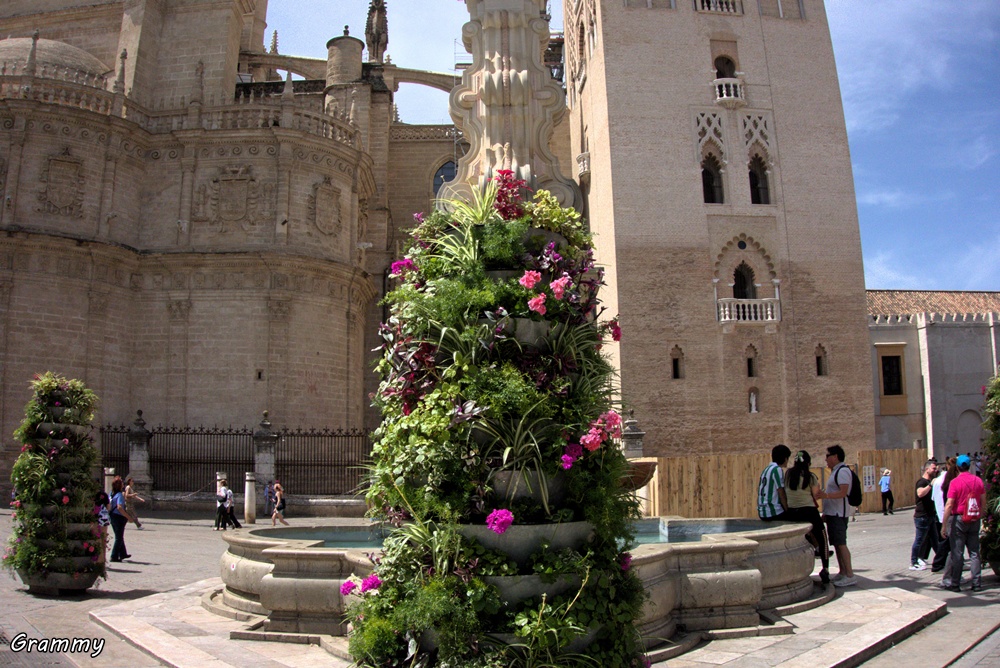
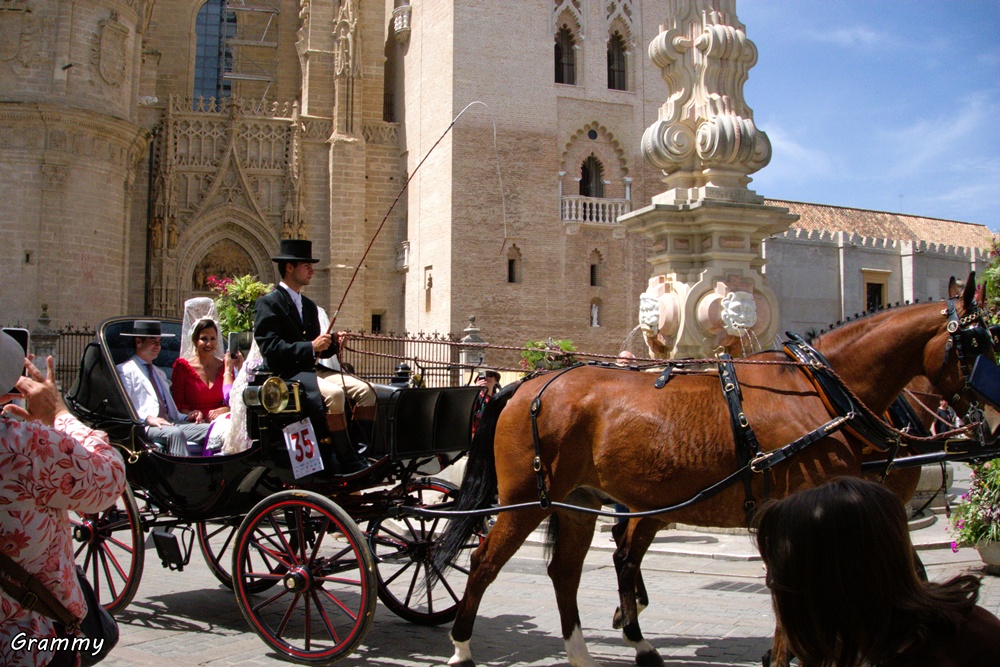
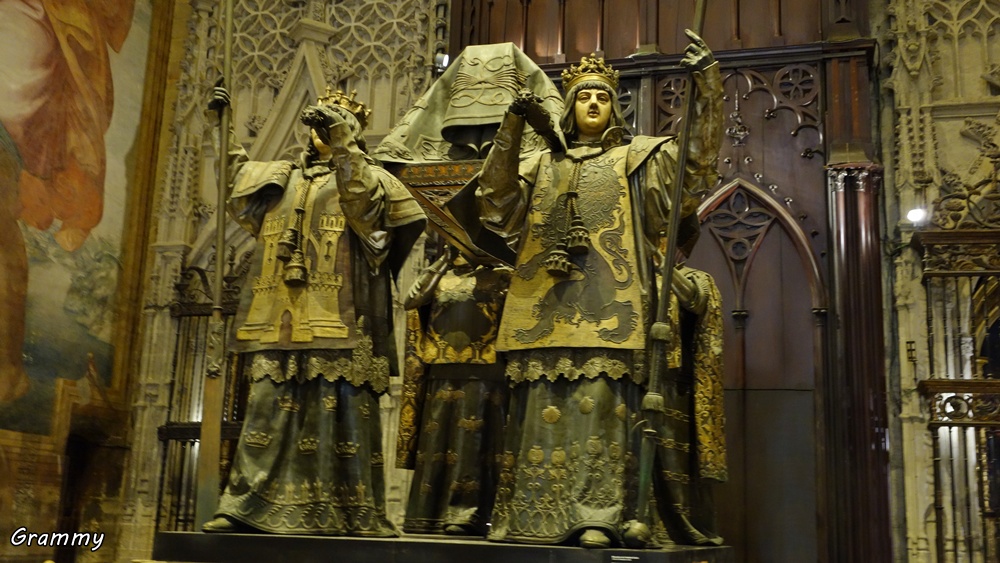
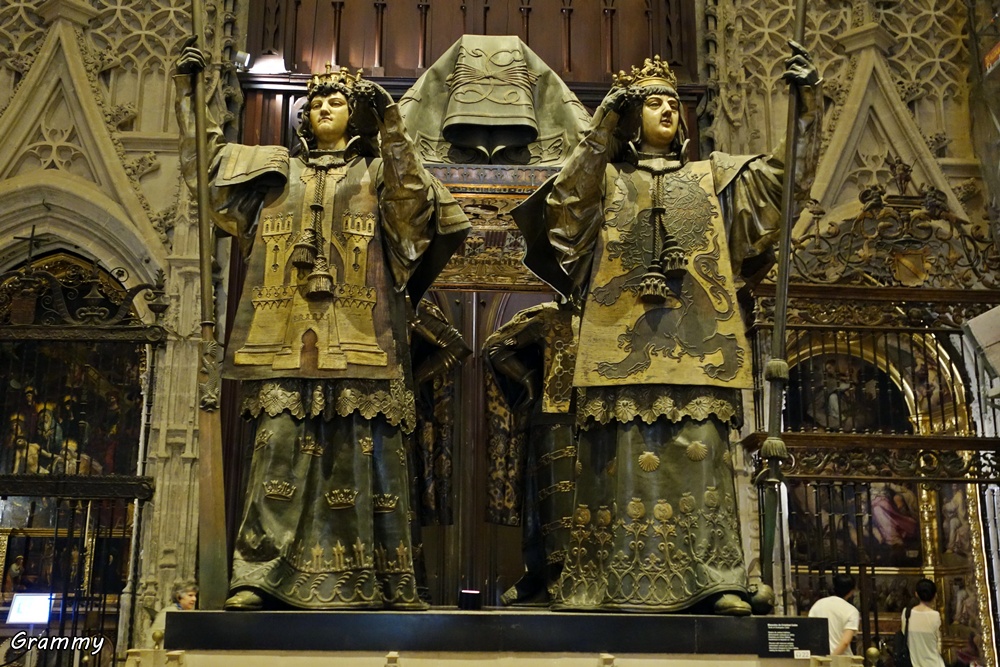
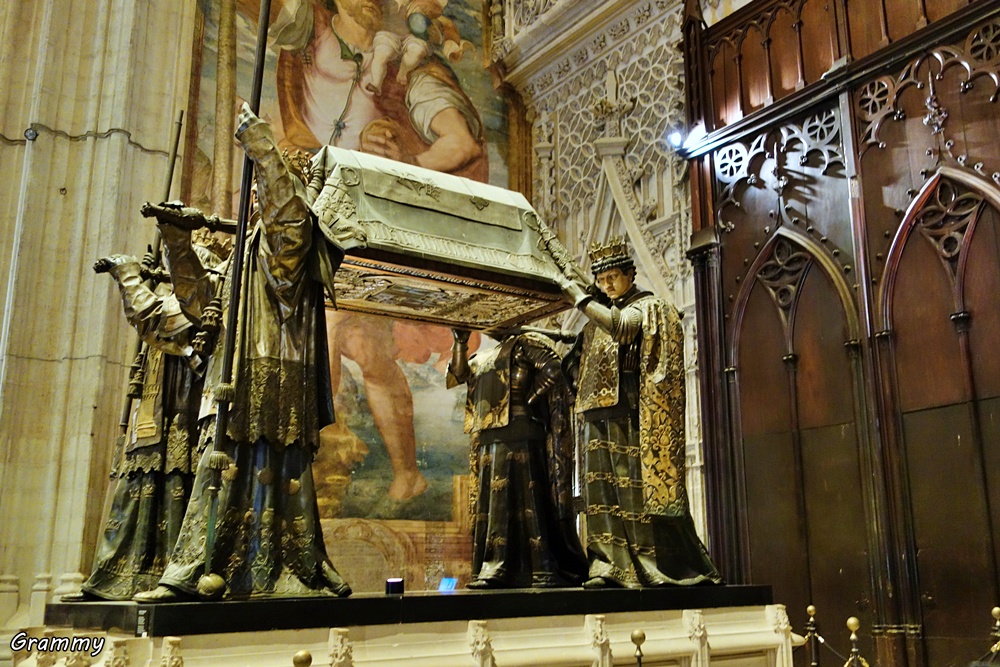
Inside the Cathedral stands a monument to Christopher Columbus. His tomb is held aloft by four figures representing the four kingdoms of Spain during his lifetime. The tomb is one of the last additions to the cathedral, installed in 1899.
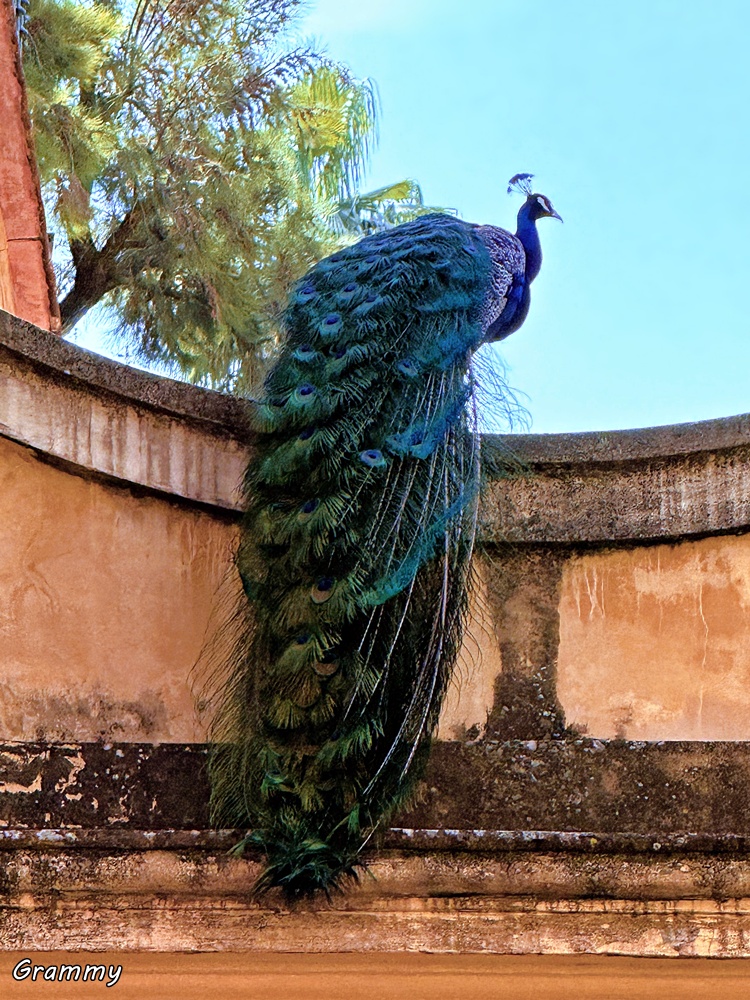
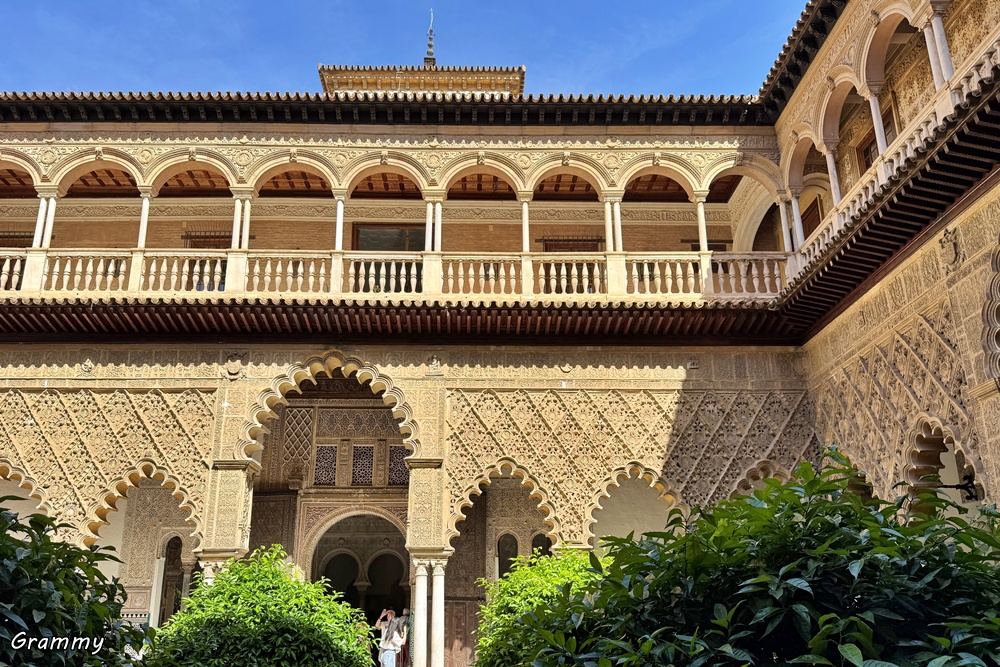
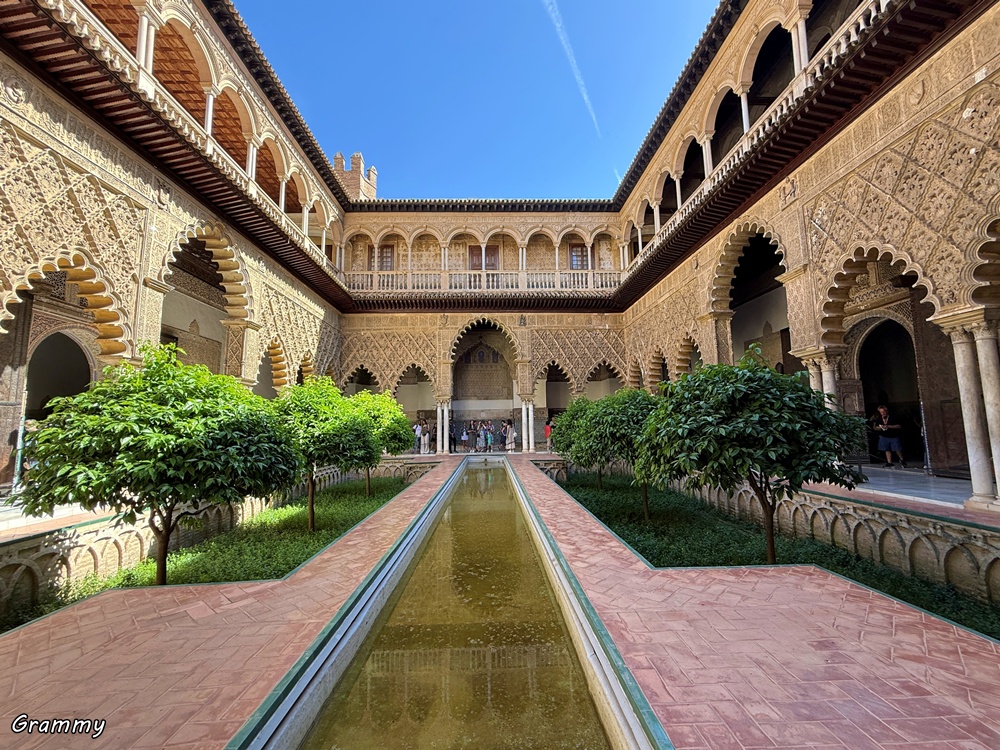
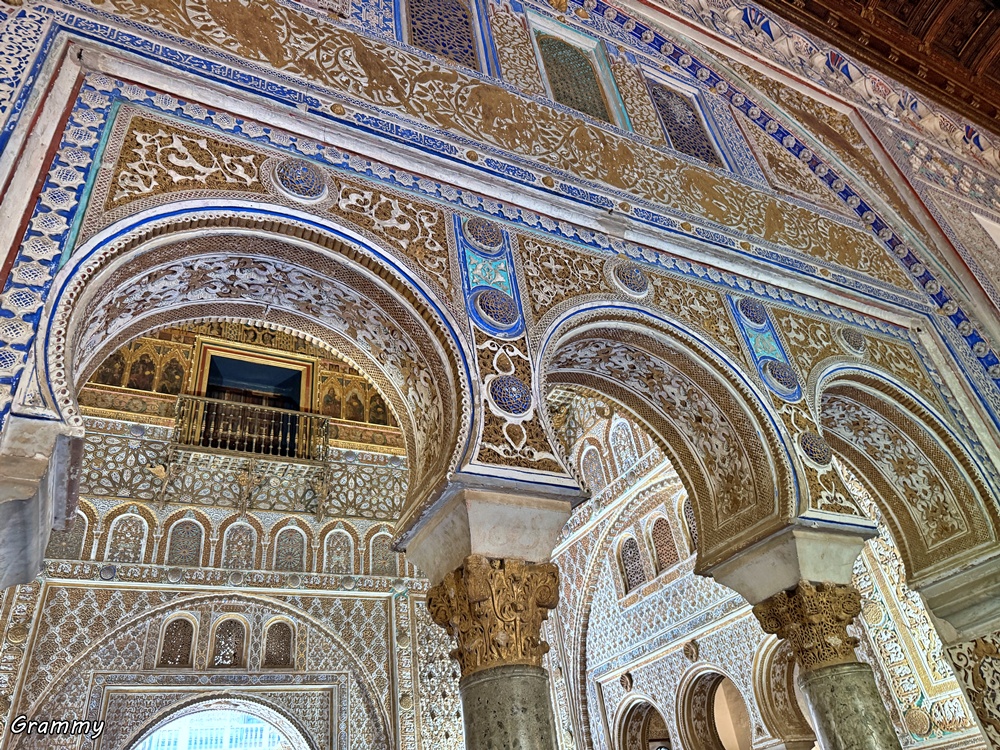
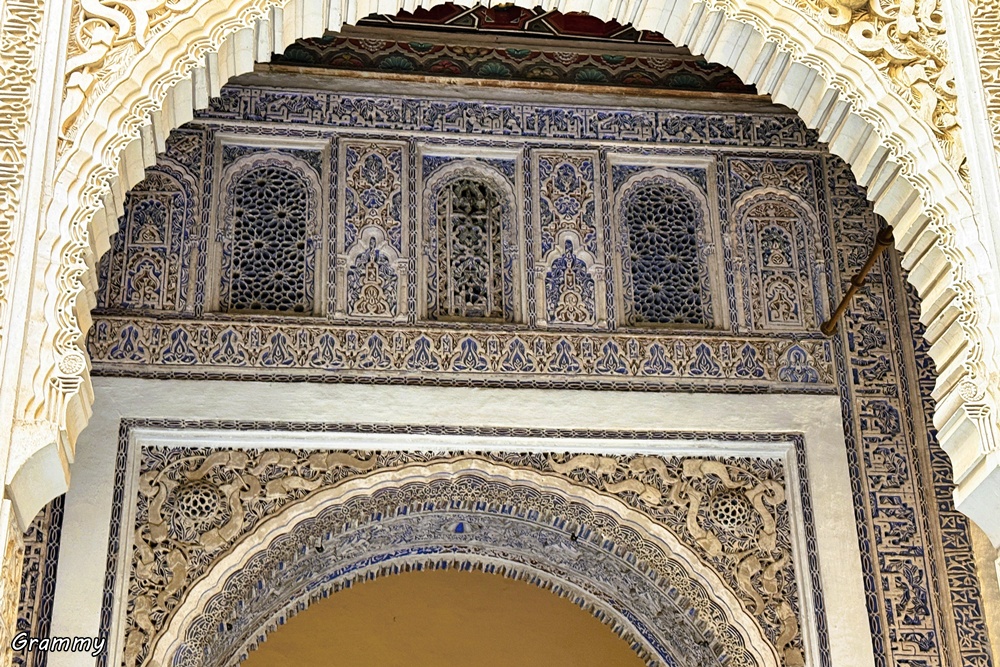
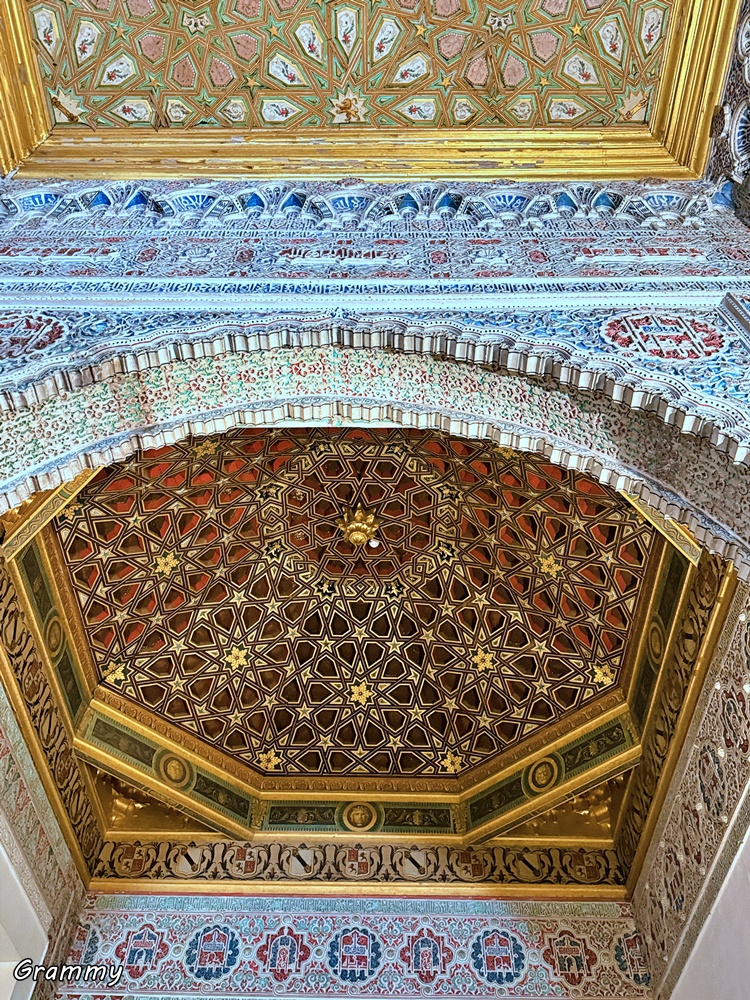
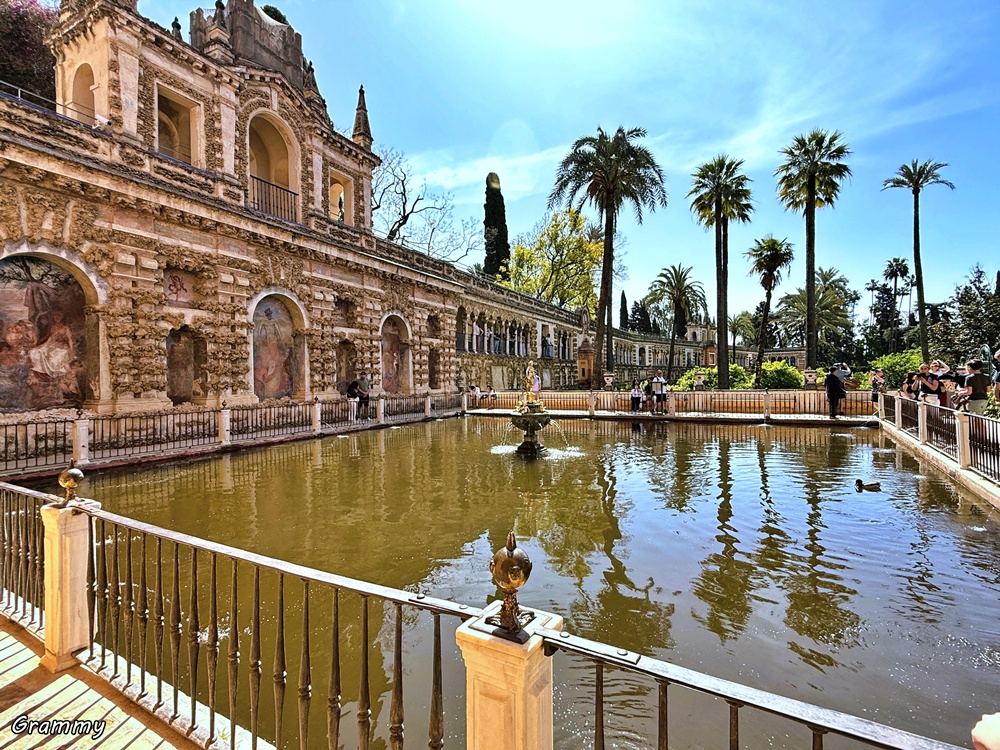
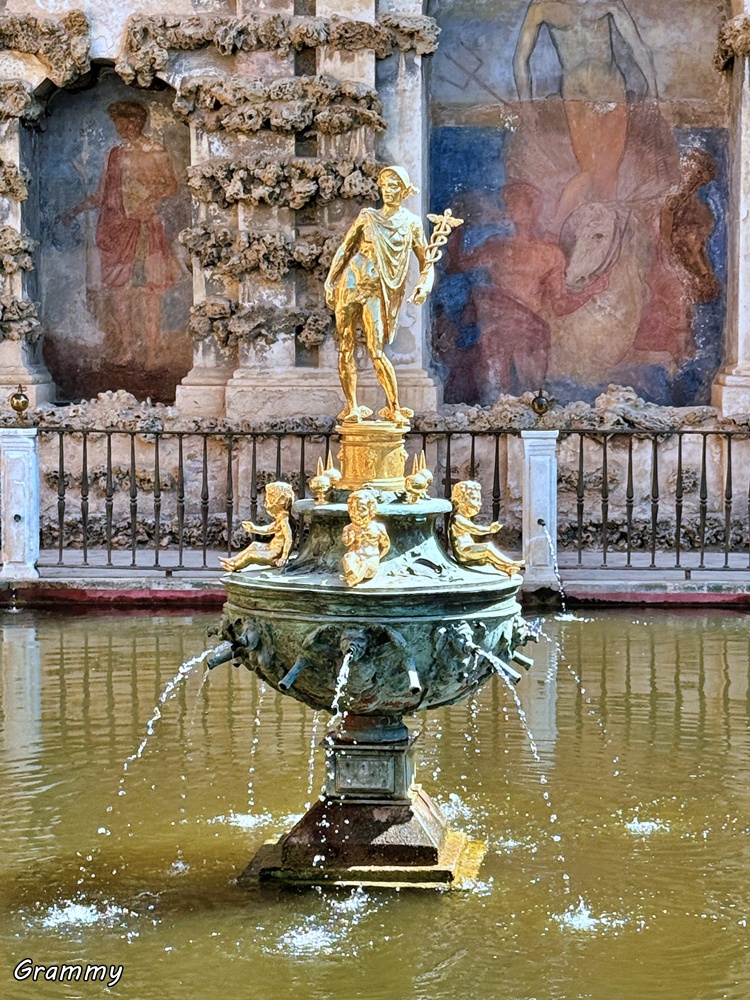
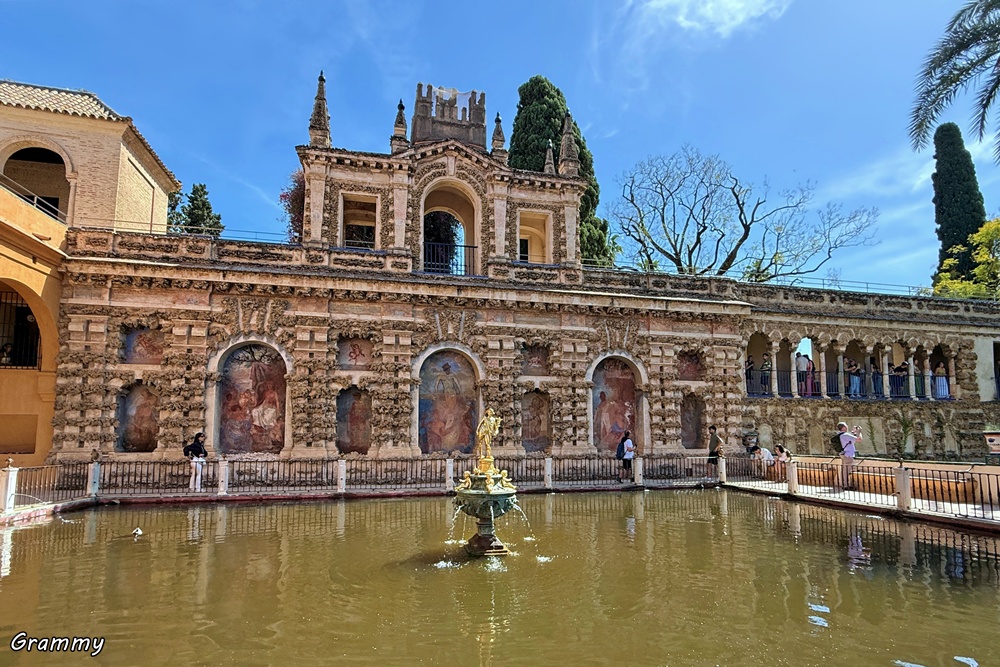
Equally impressive is the Royal Alcázar, the oldest royal palace in Europe still in use as a residence. The King of Spain and his family stay here whenever they visit Seville. Dating back to the 10th century, it began as a fortress for Muslim rulers. The complex also includes extensive gardens with ponds, exotic trees, shaded paths—and peacocks casually strolling around as if they own the place.
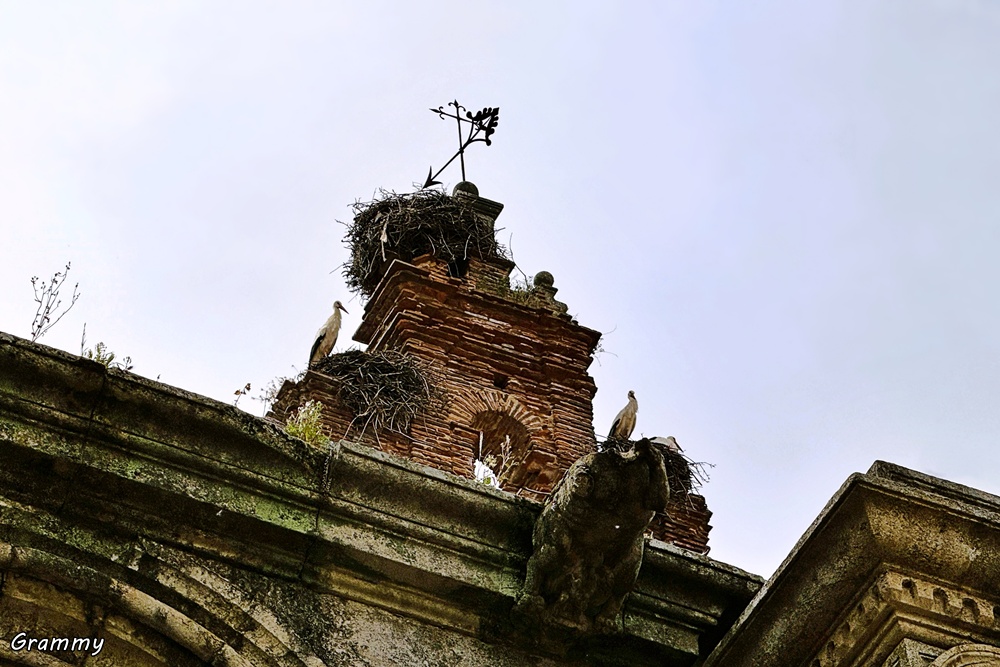
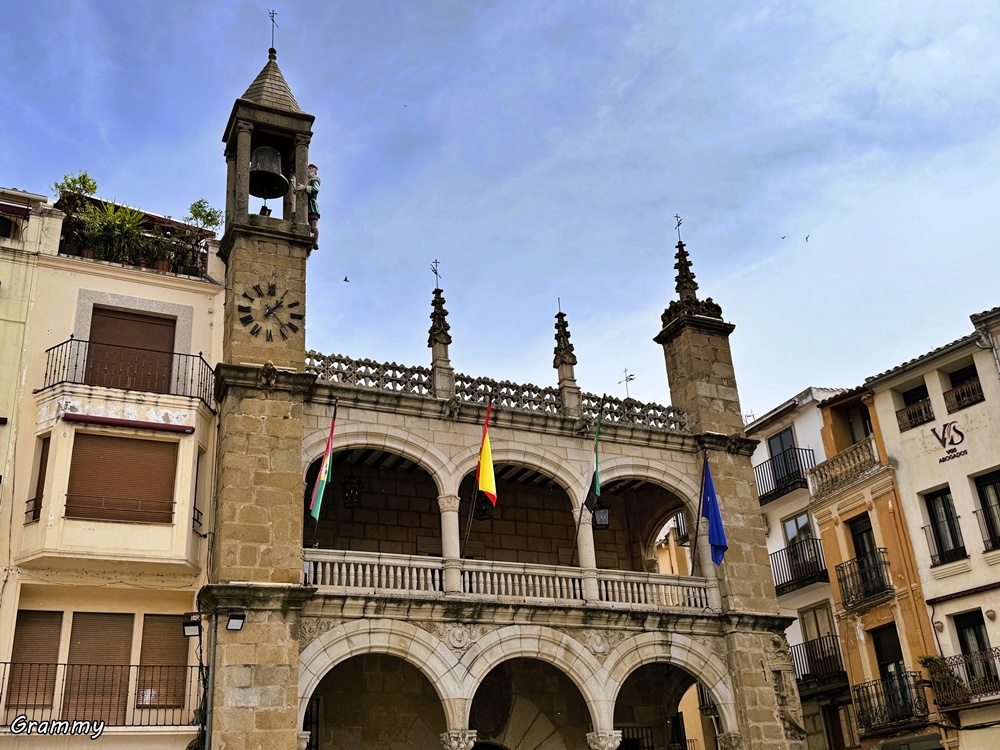
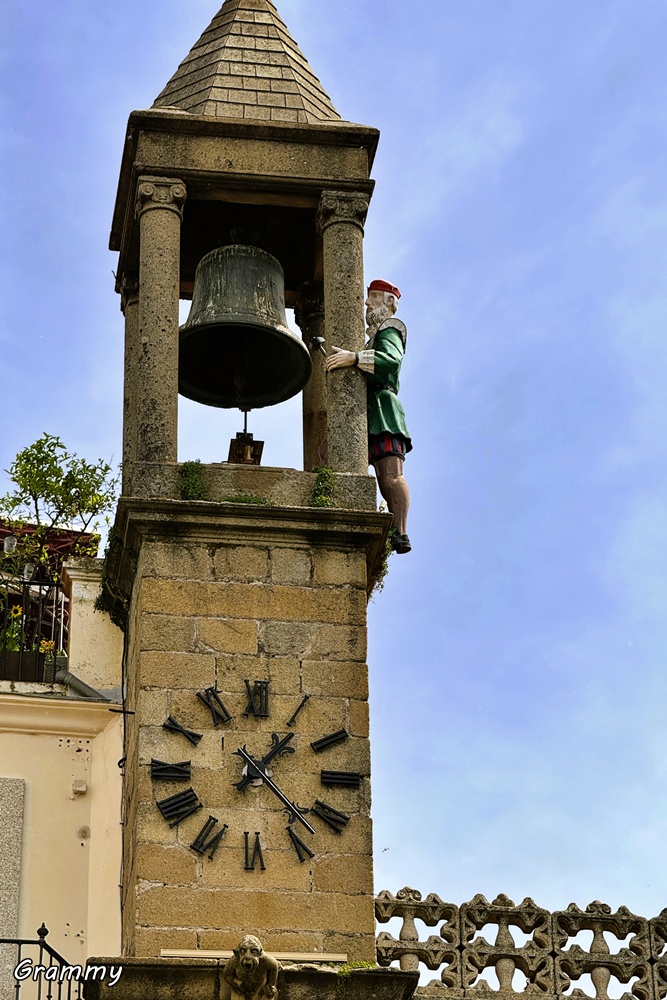
Heading north, we stopped in amazing Plasencia for lunch in the huge market square. This historic town is filled with medieval walls, towers, gates, cathedrals, palaces—and storks. Their enormous nests perch atop churches and rooftops making them the unofficial rulers of the city.
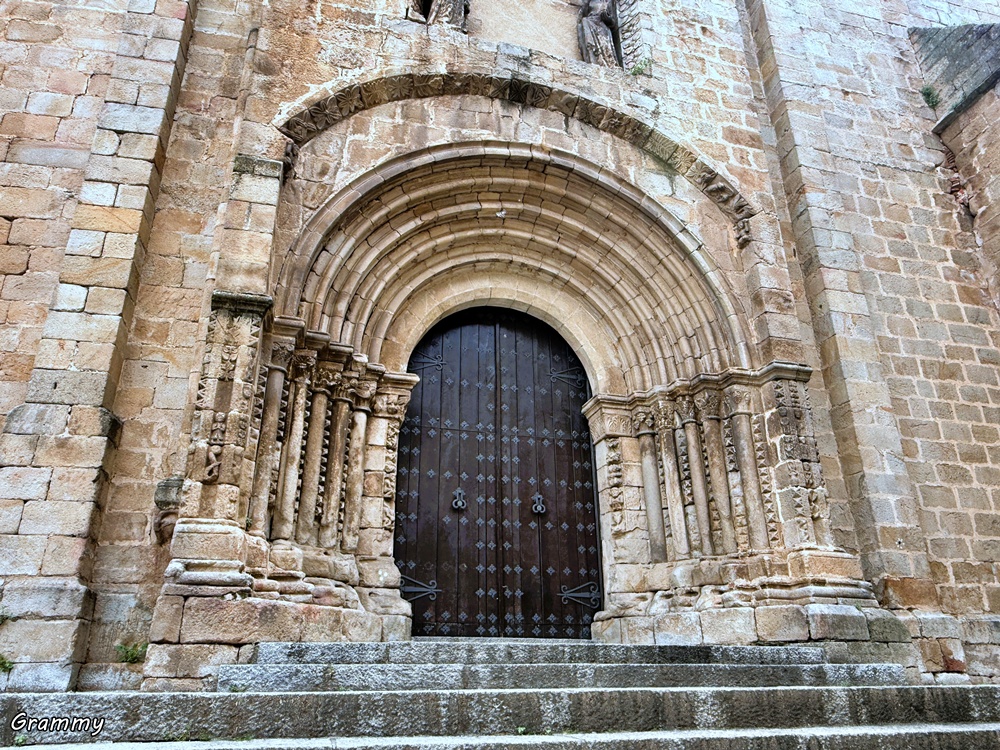
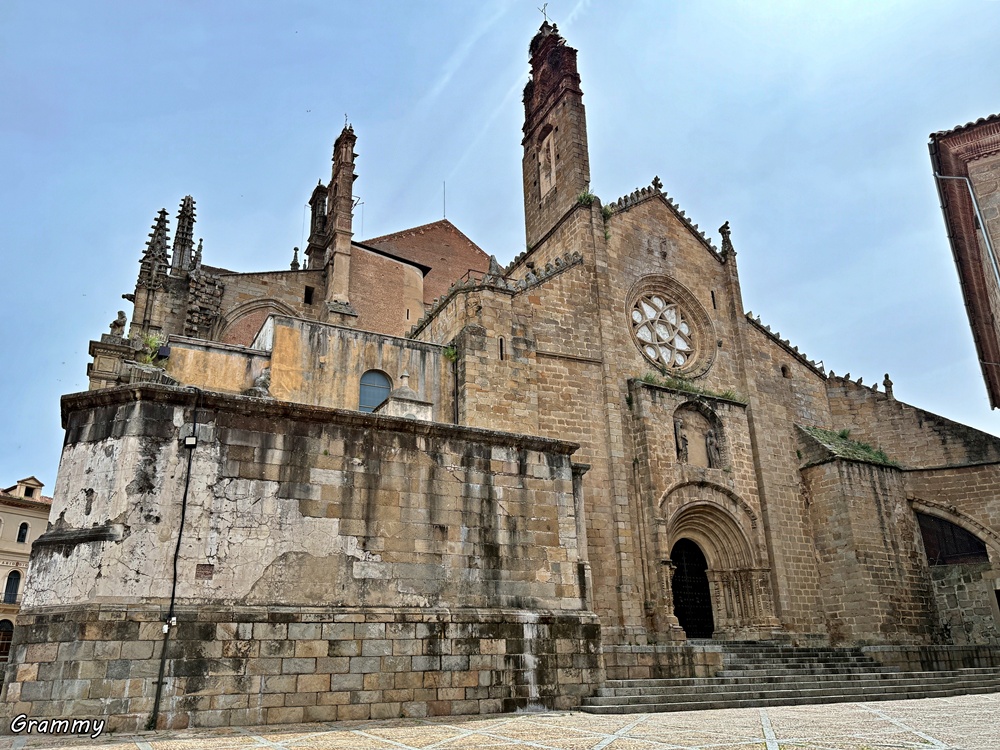
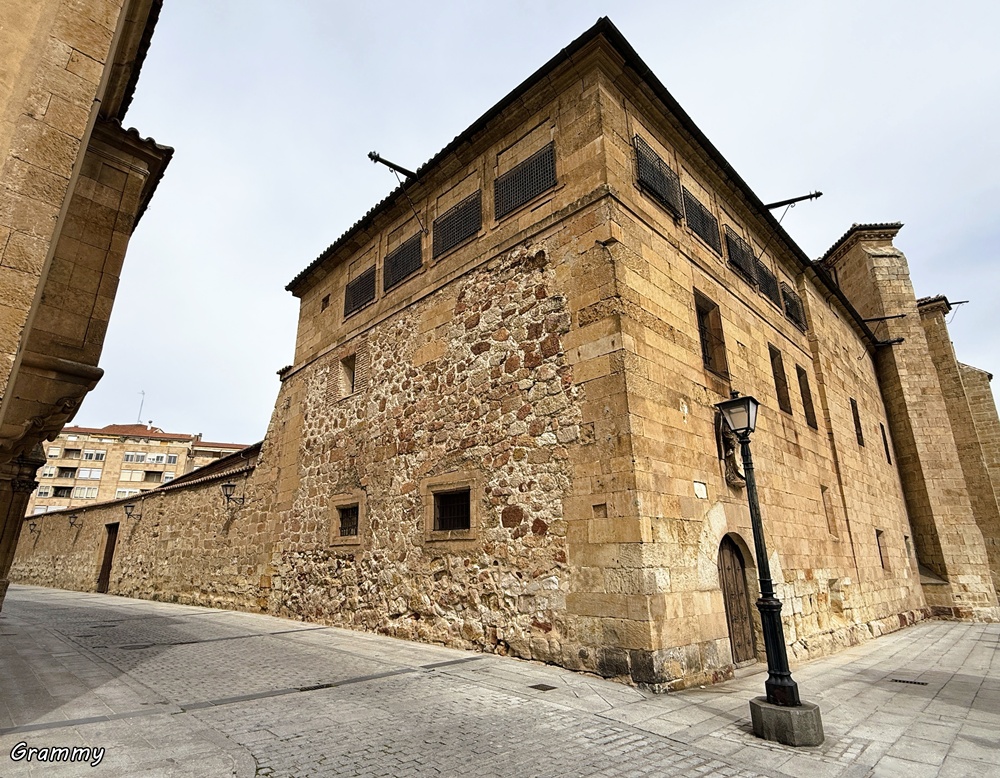
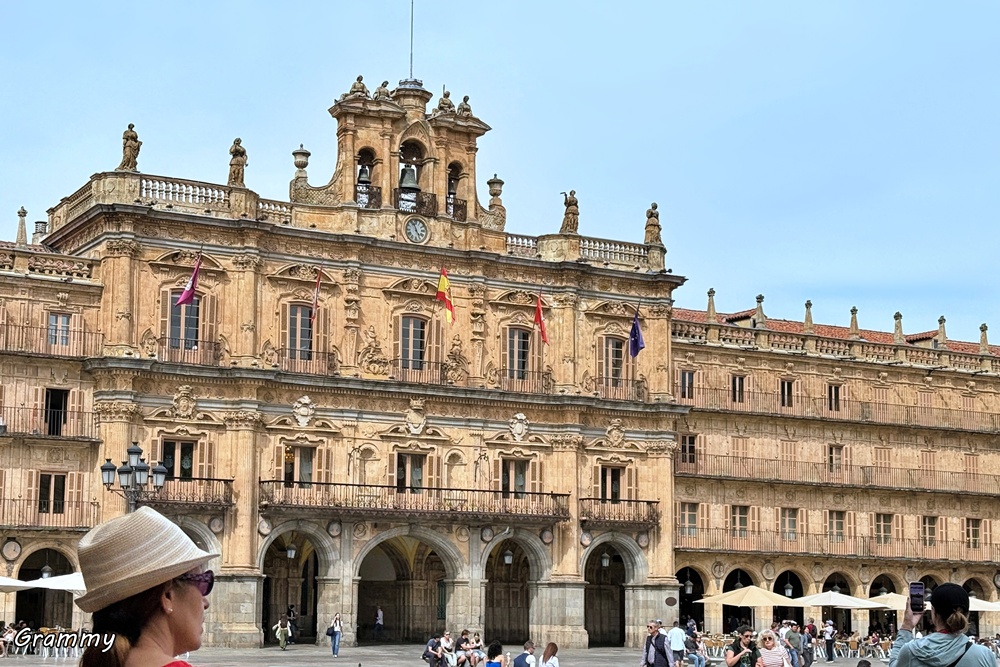
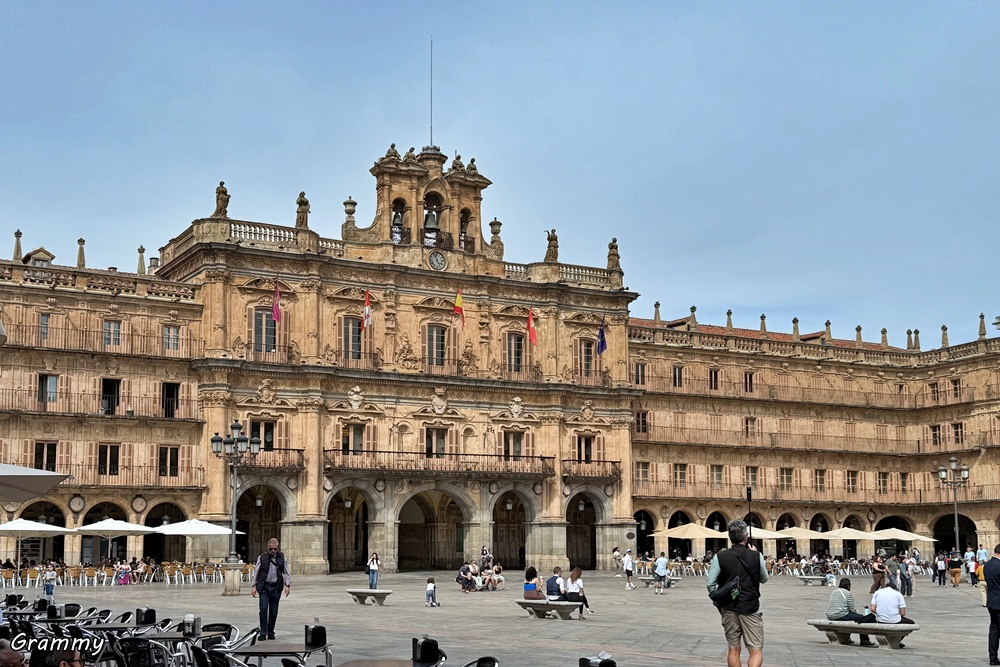
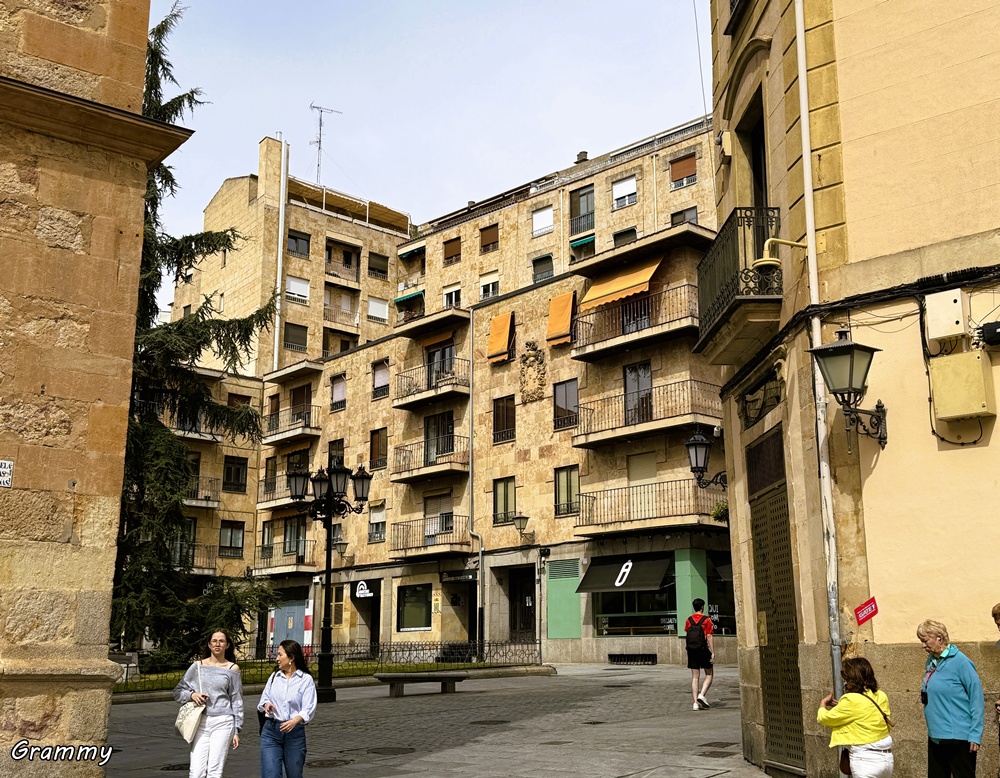
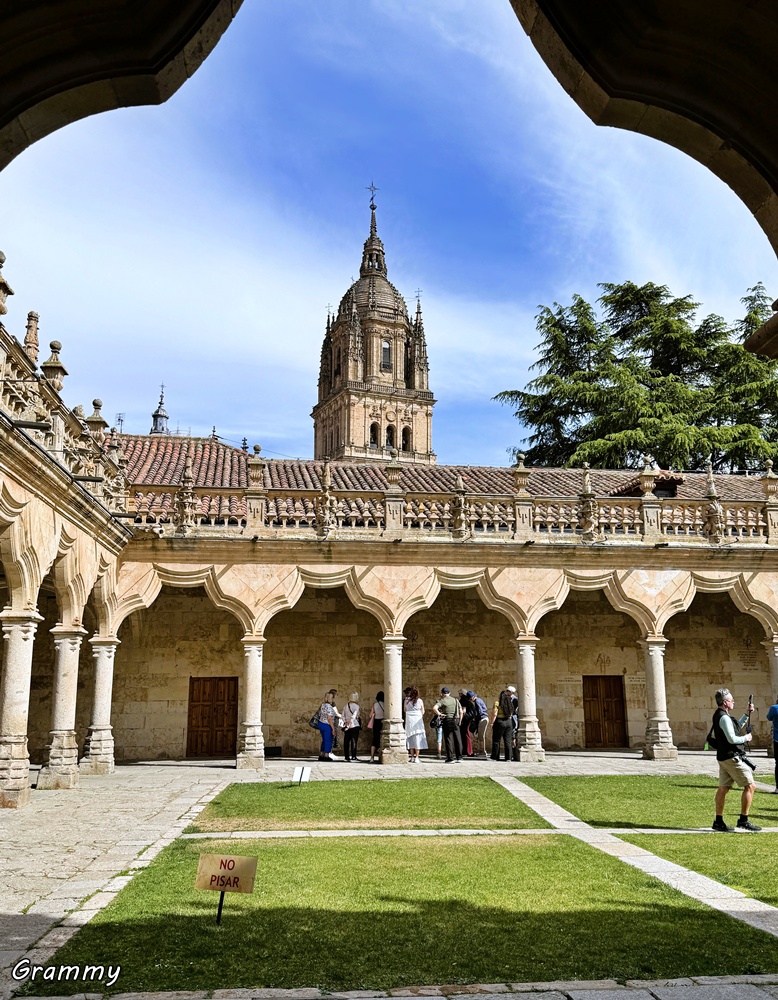
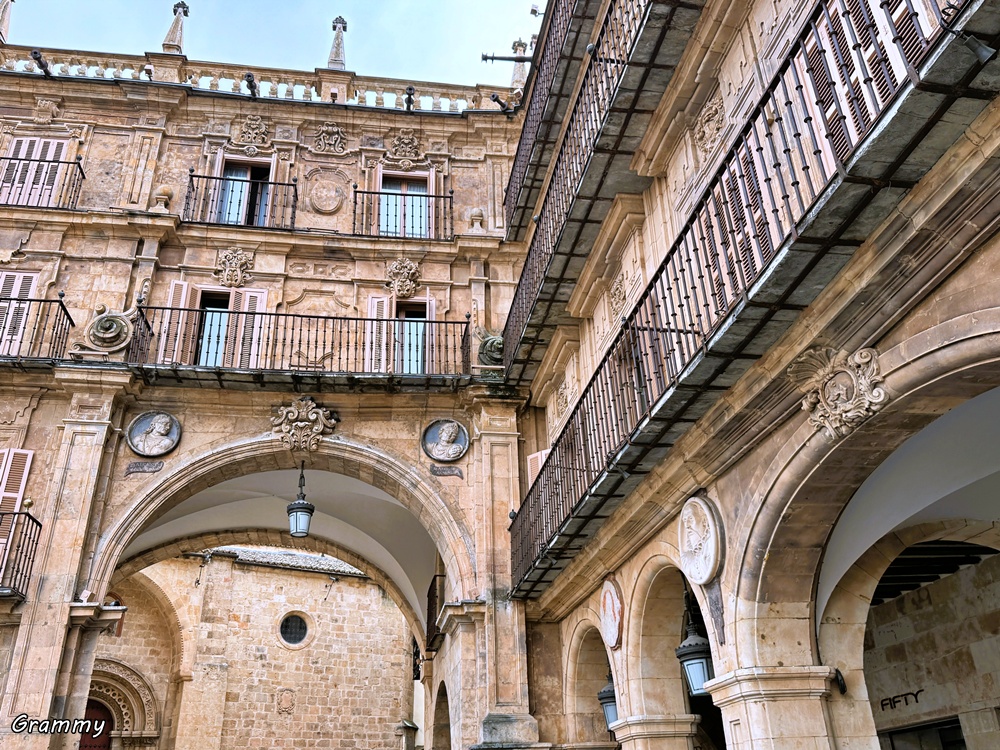
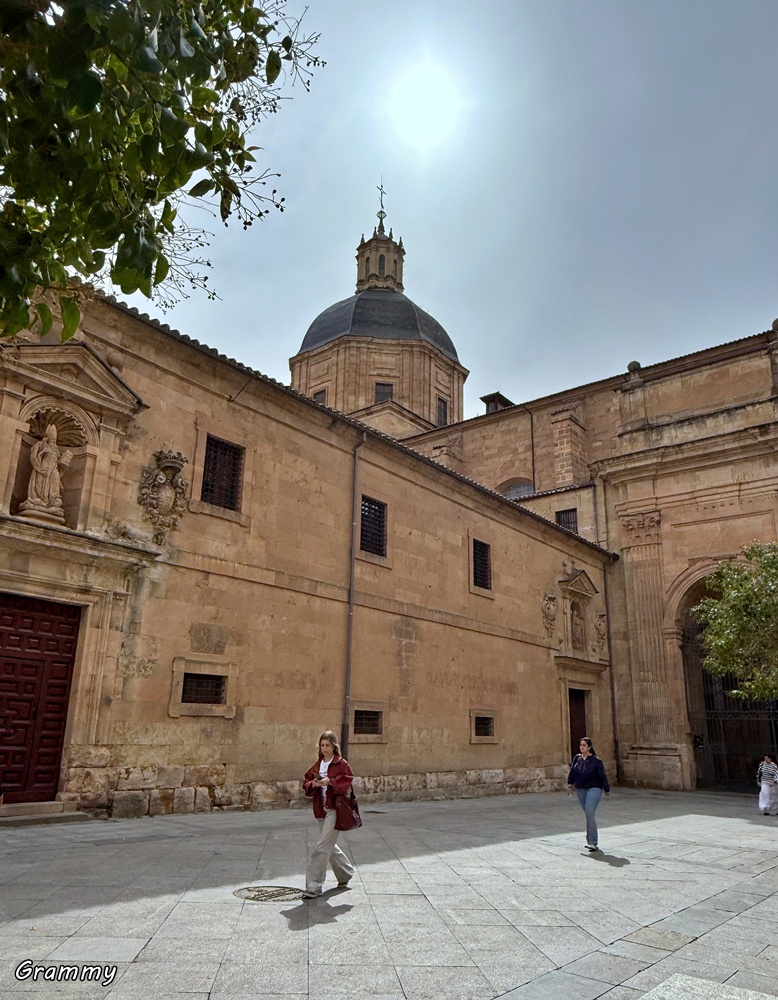
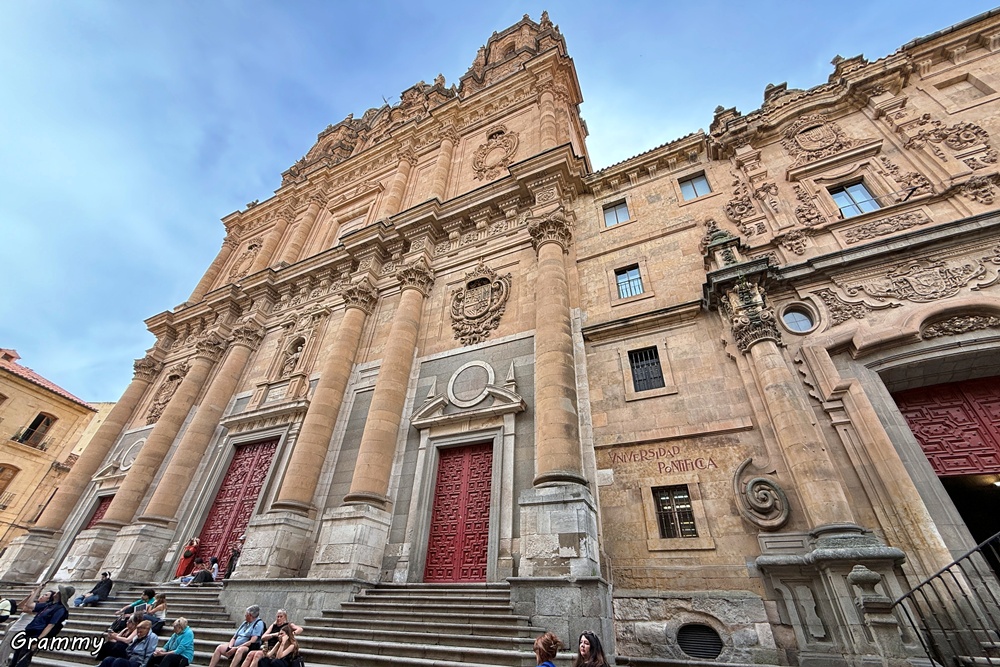
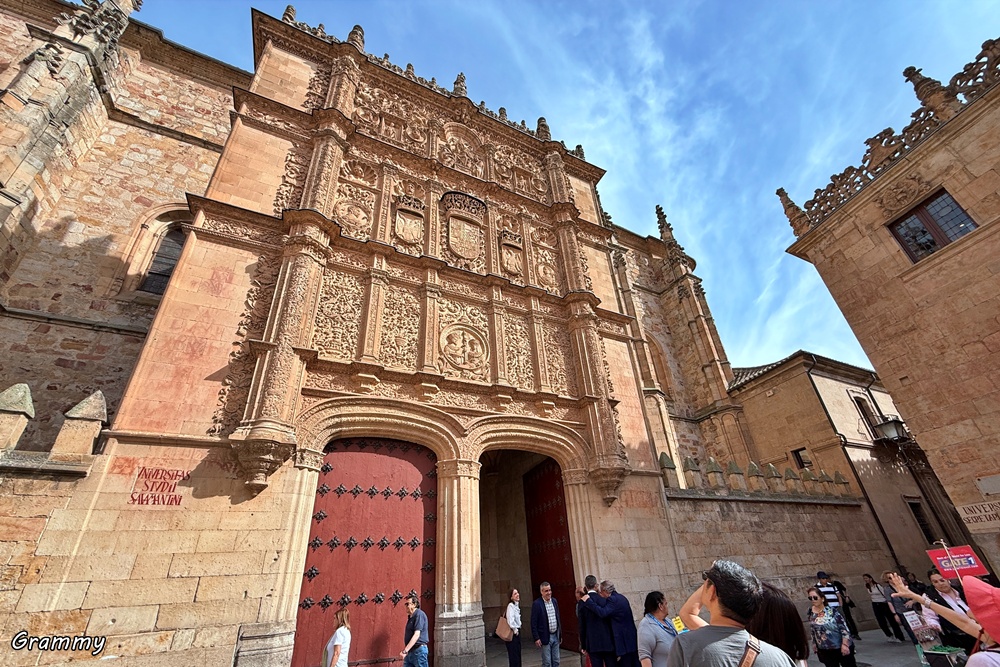
Our next destination was Salamanca, one of Spain’s most beautiful cities. It is a UNESCO World Heritage Site and home to one of Europe’s oldest universities. We visited the beautiful Plaza Mayor, both the Old and the New Cathedrals, the ornate Salina and Monterrey Palaces, and soaked in the glow of the city’s golden sandstone.
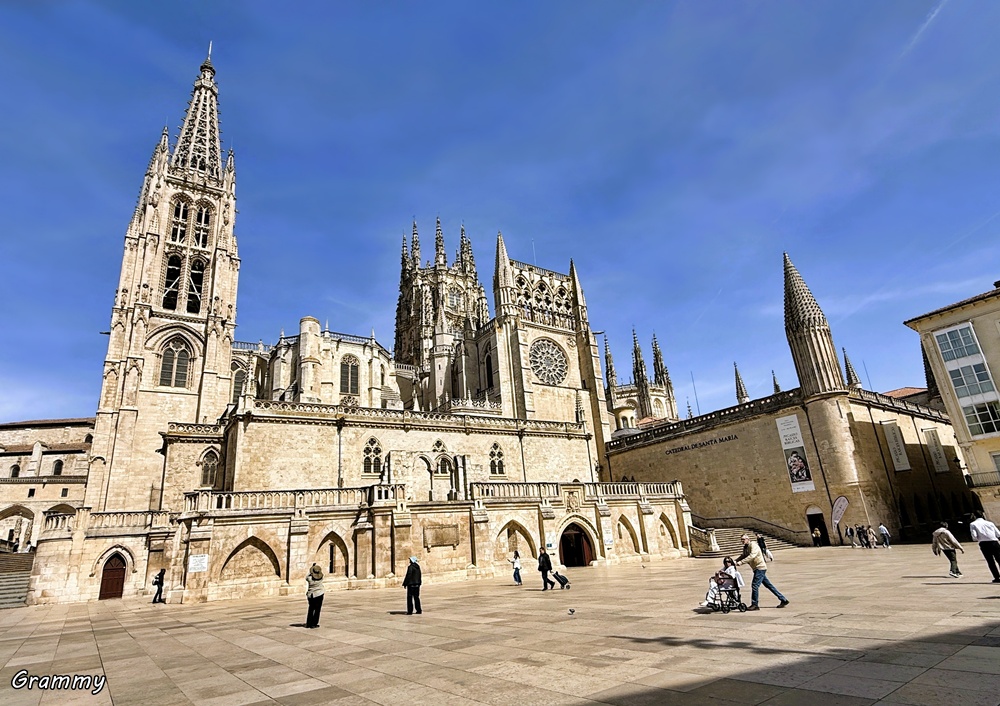
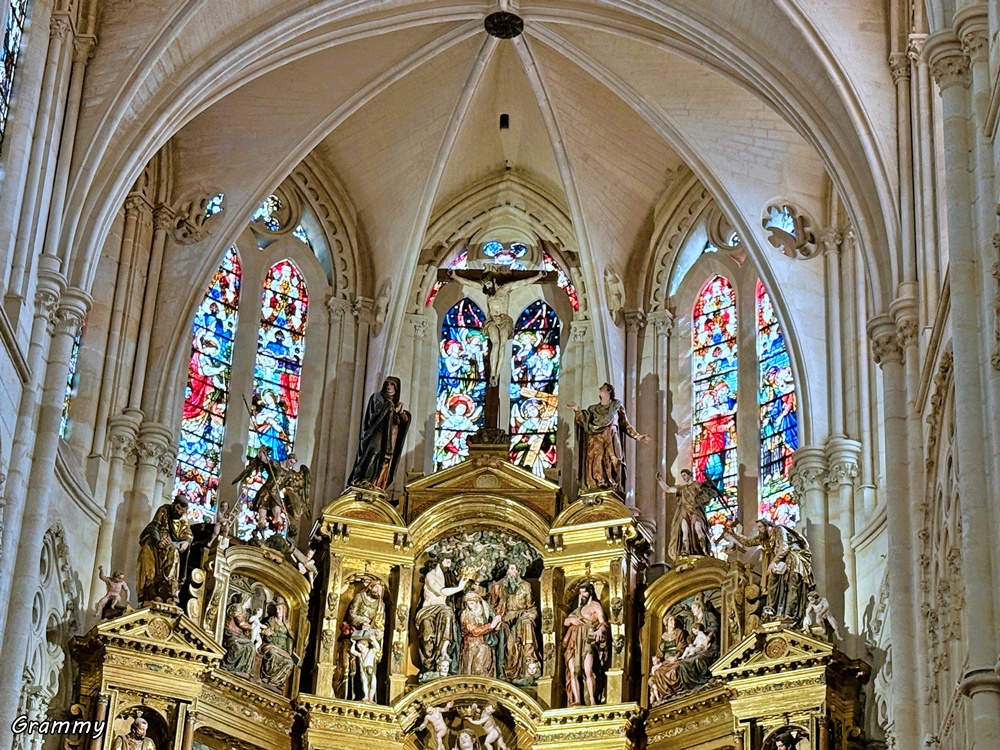
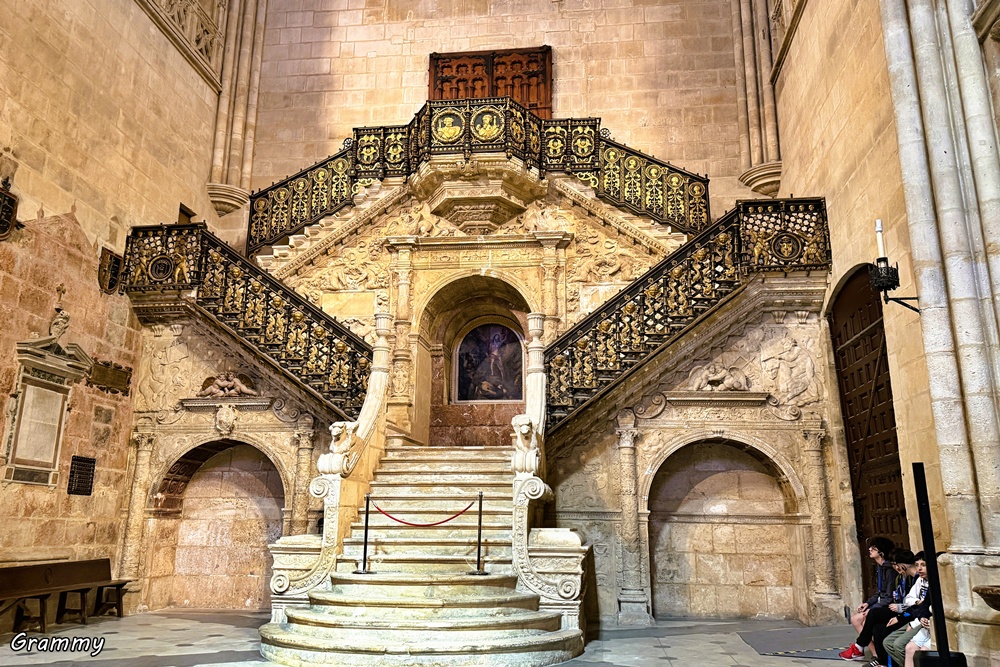
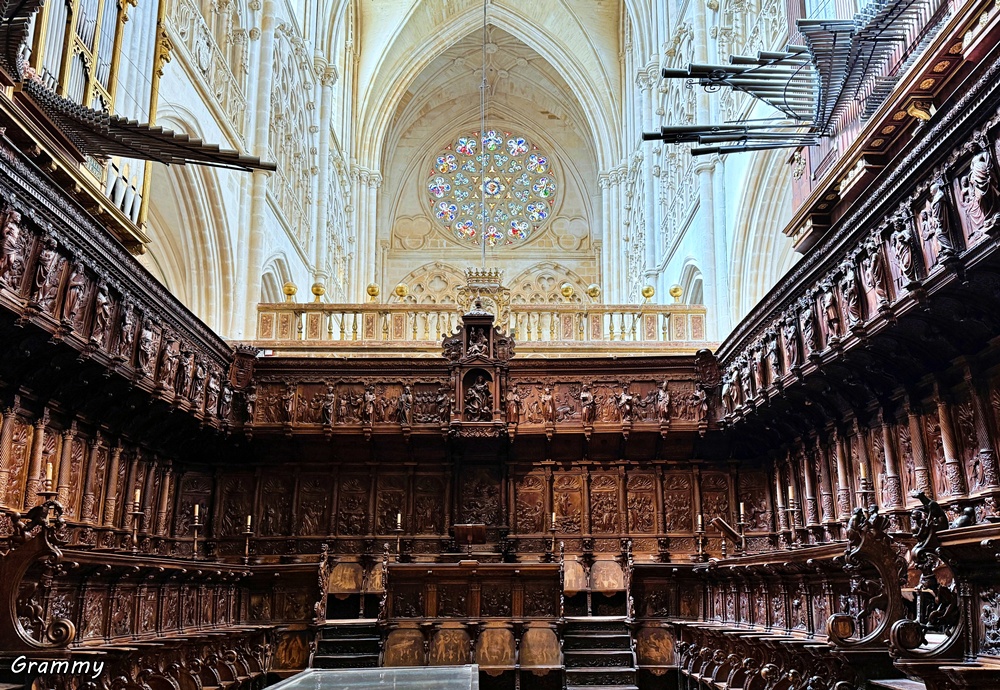
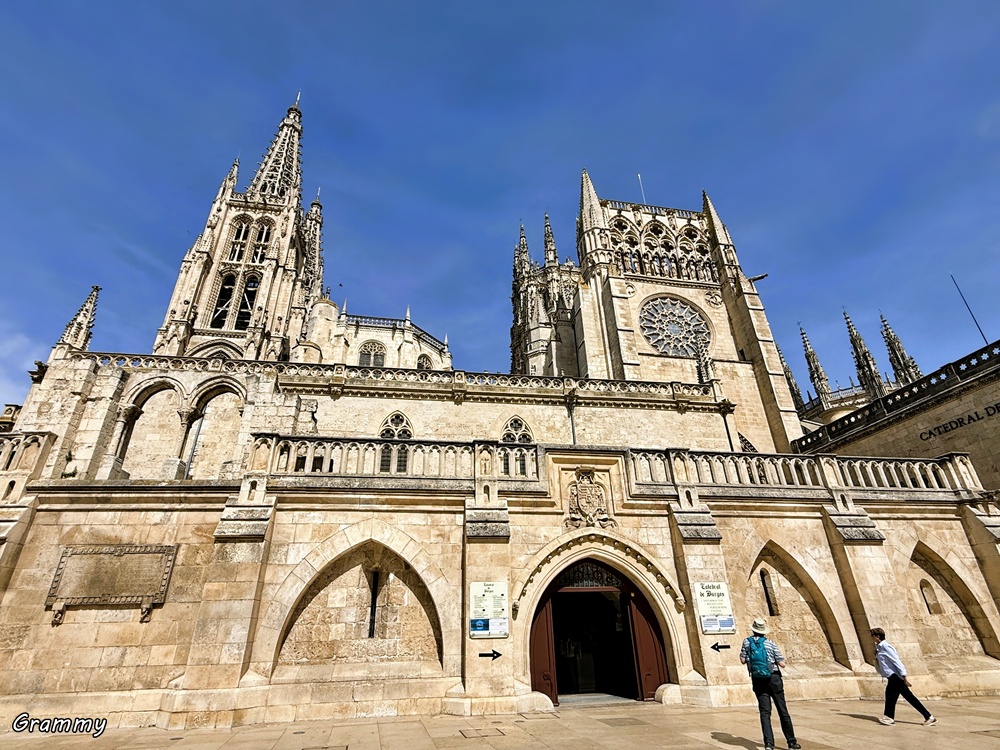
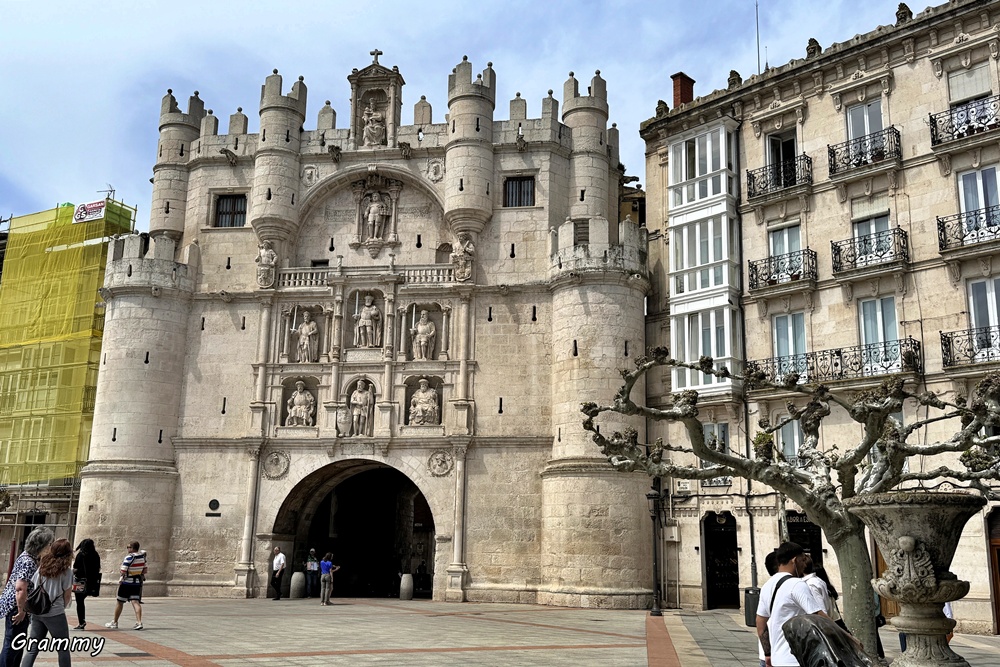
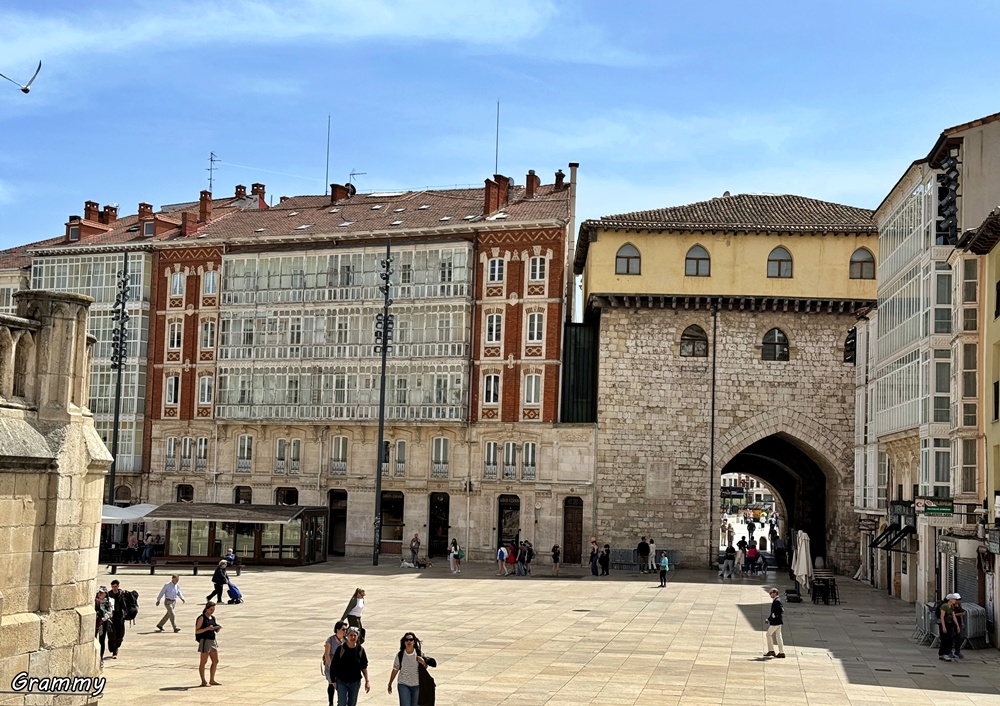
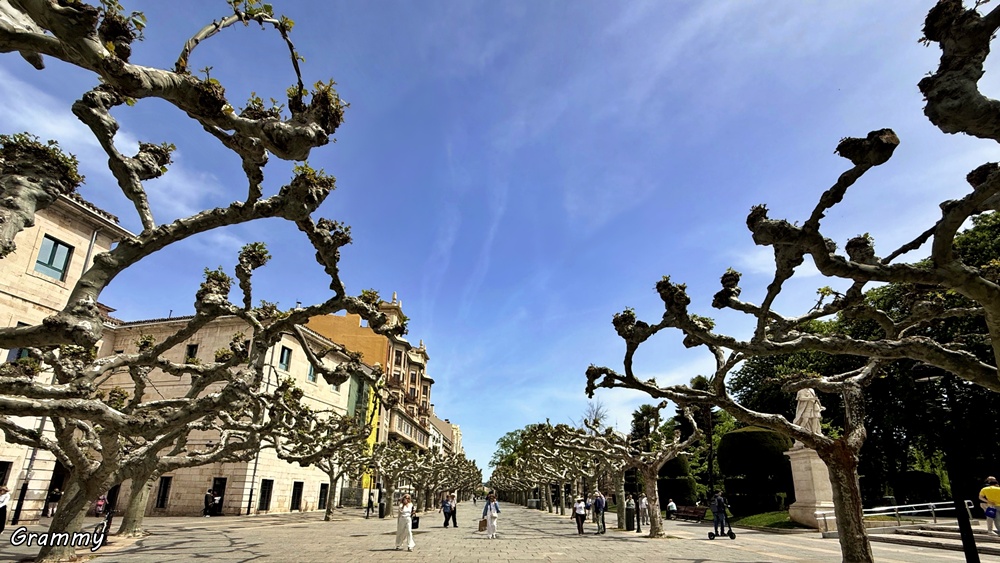
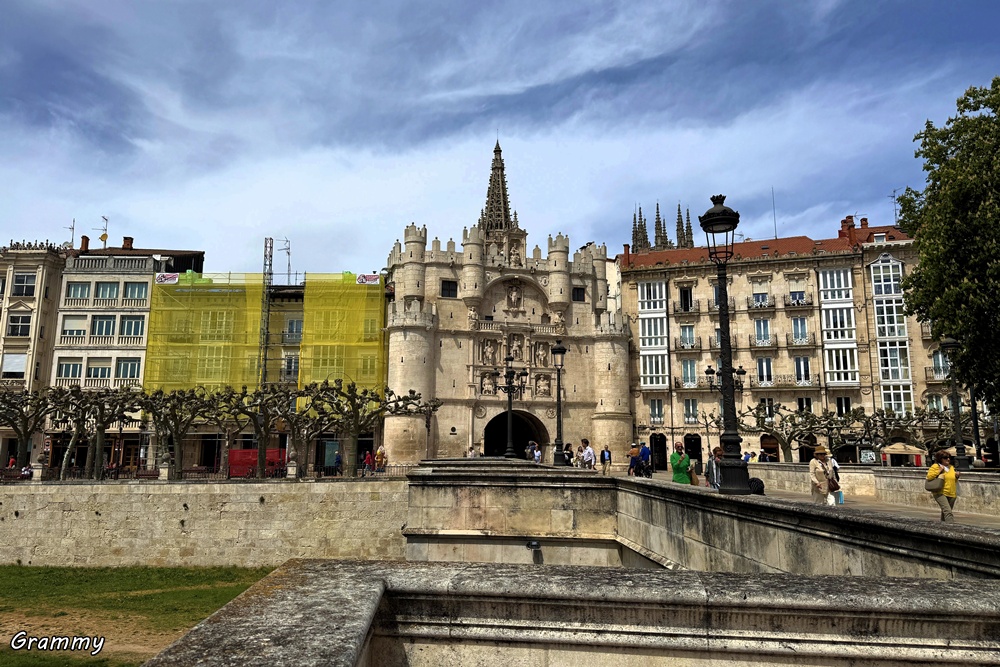
After a night in Salamanca, we continued north to Burgos for another memorable lunch stop. The magnificent Burgos Cathedral is widely considered the first Gothic cathedral in Spain and is one of the country’s richest. This 13th-century UNESCO-listed site contains the tomb of El Cid.
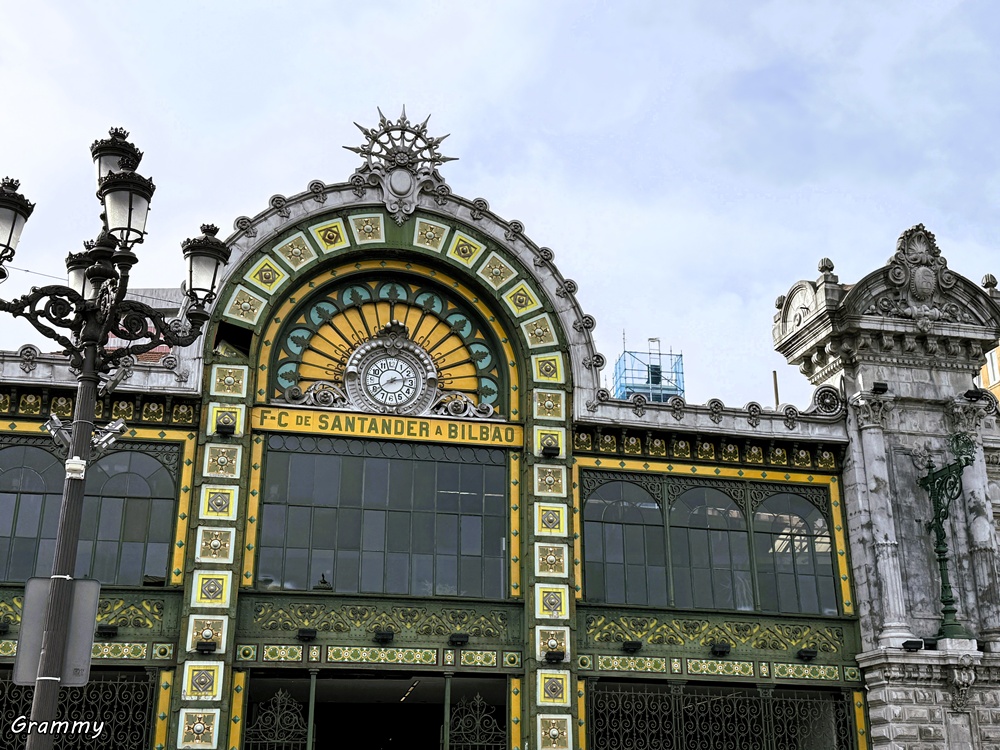
In Bilbao, we started our culture-rich sightseeing tour at The Guggenheim Museum, with world-famous modern and contemporary art both inside and out.
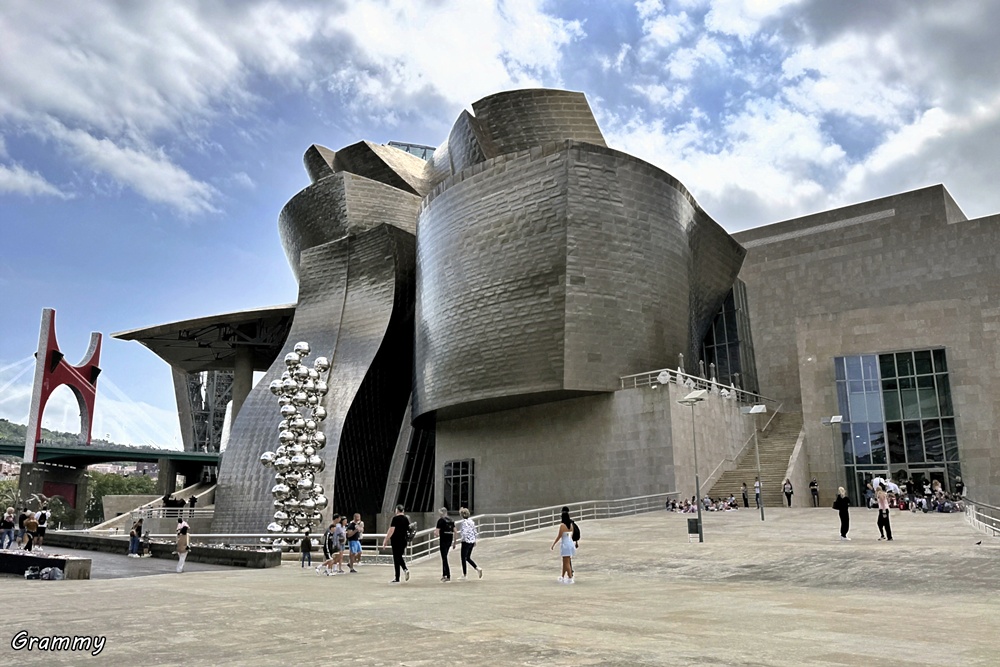
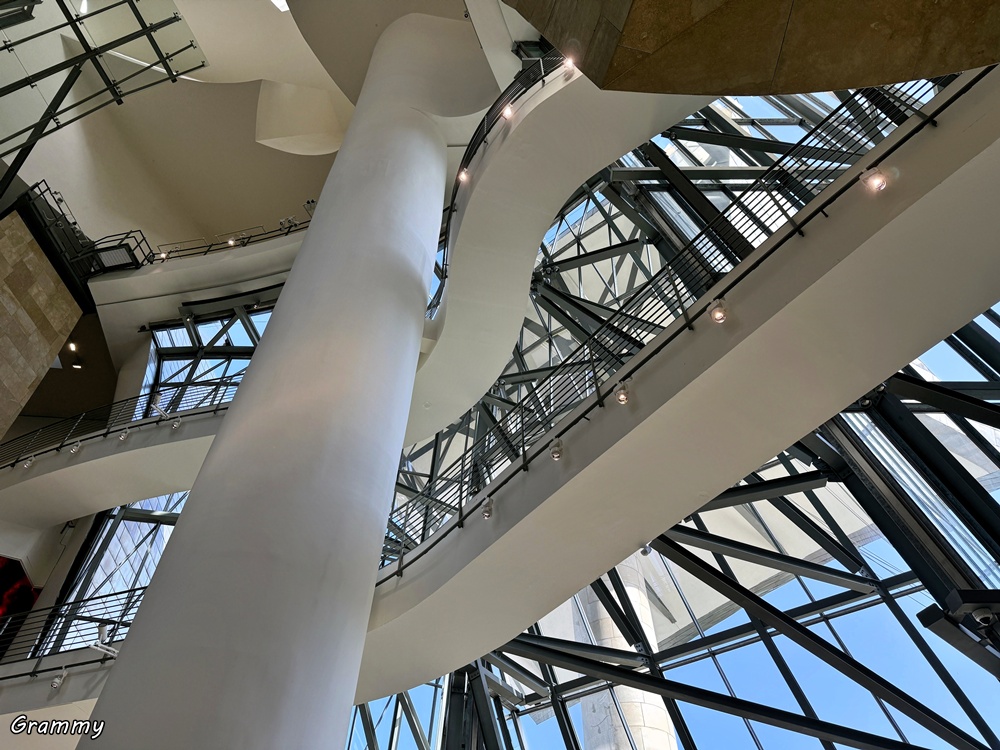
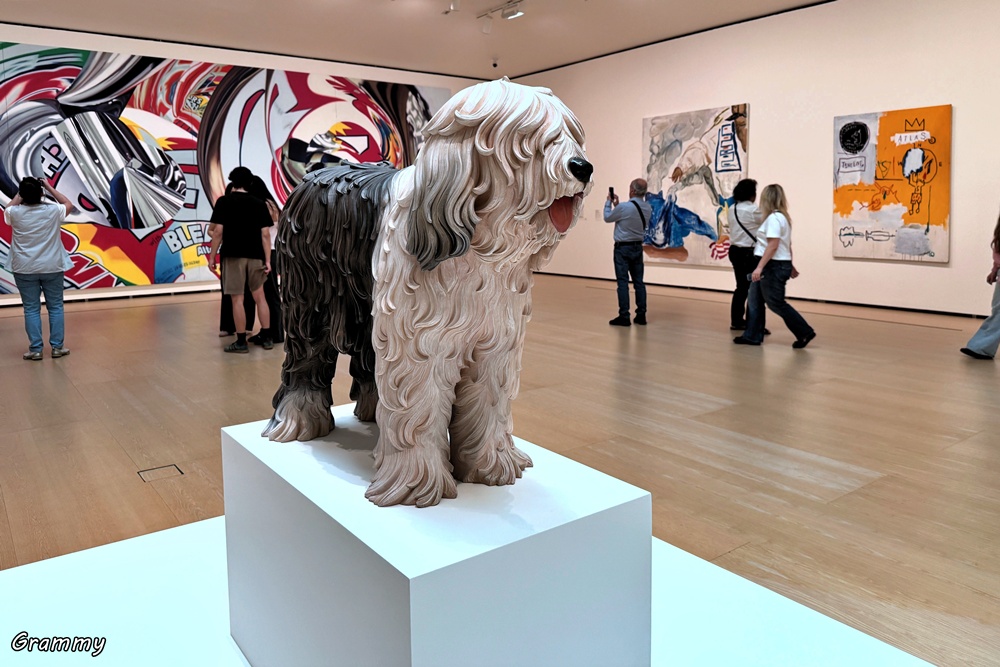
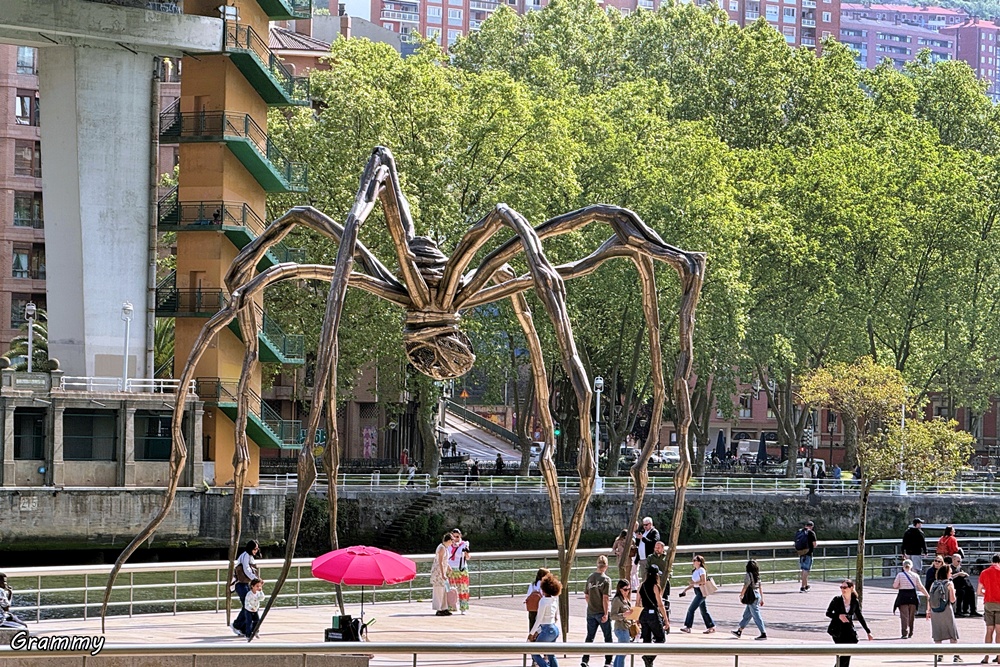
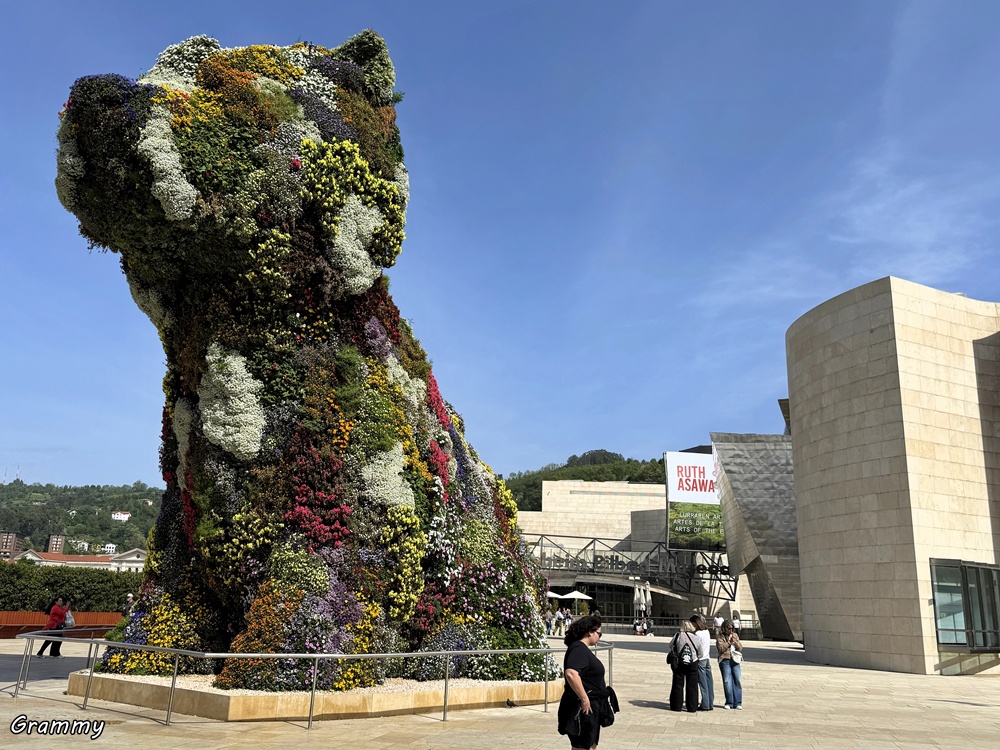
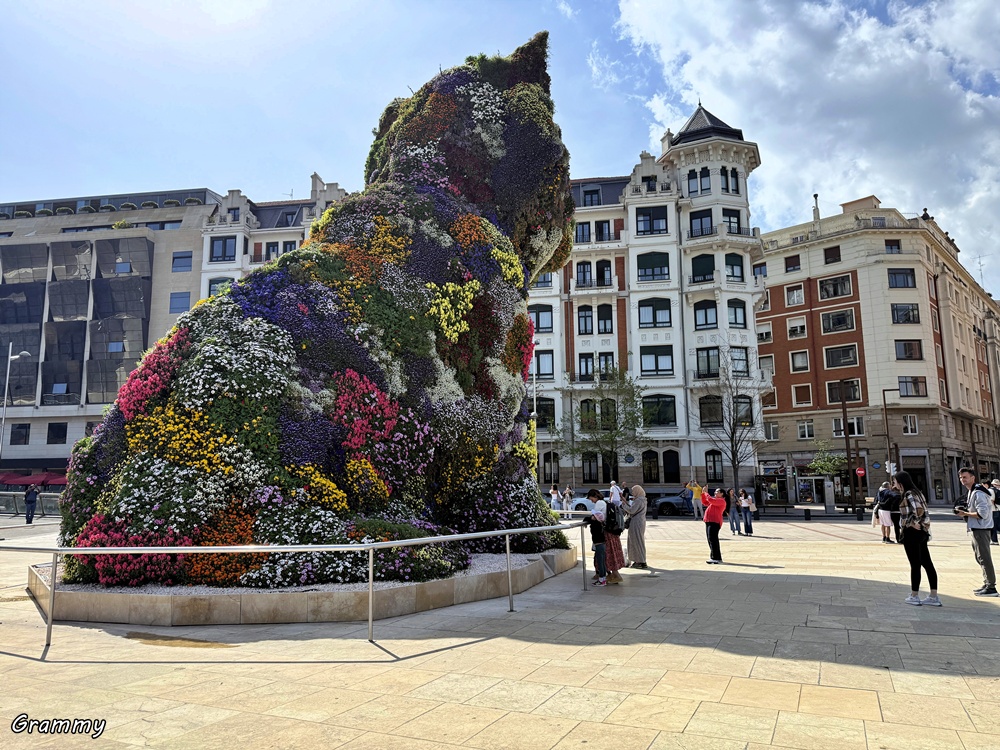
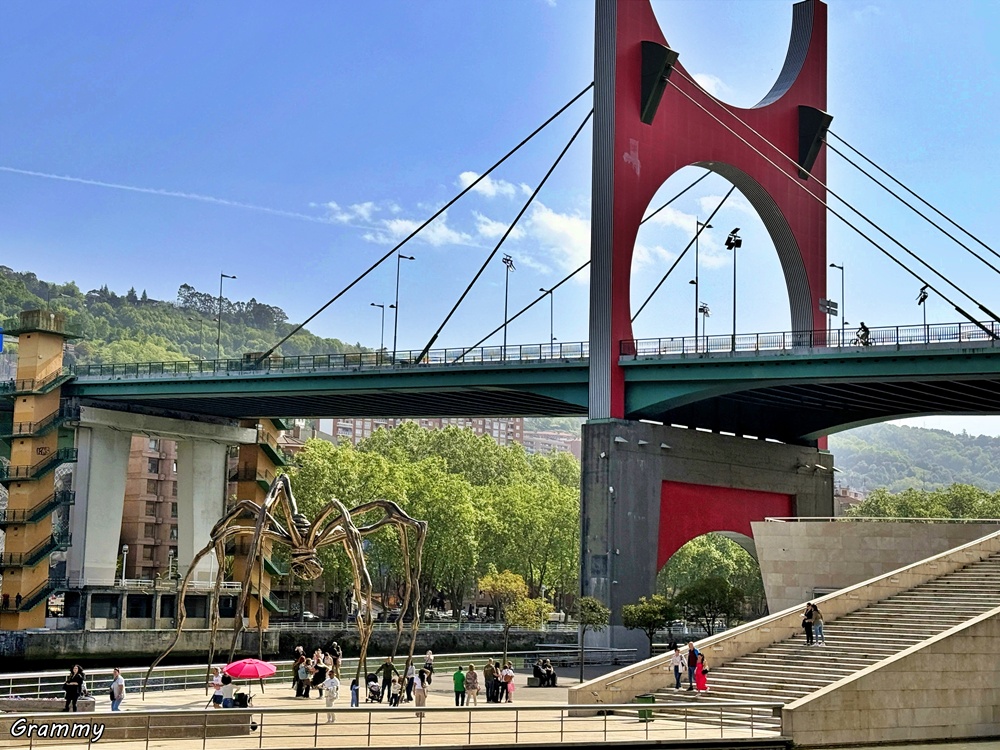
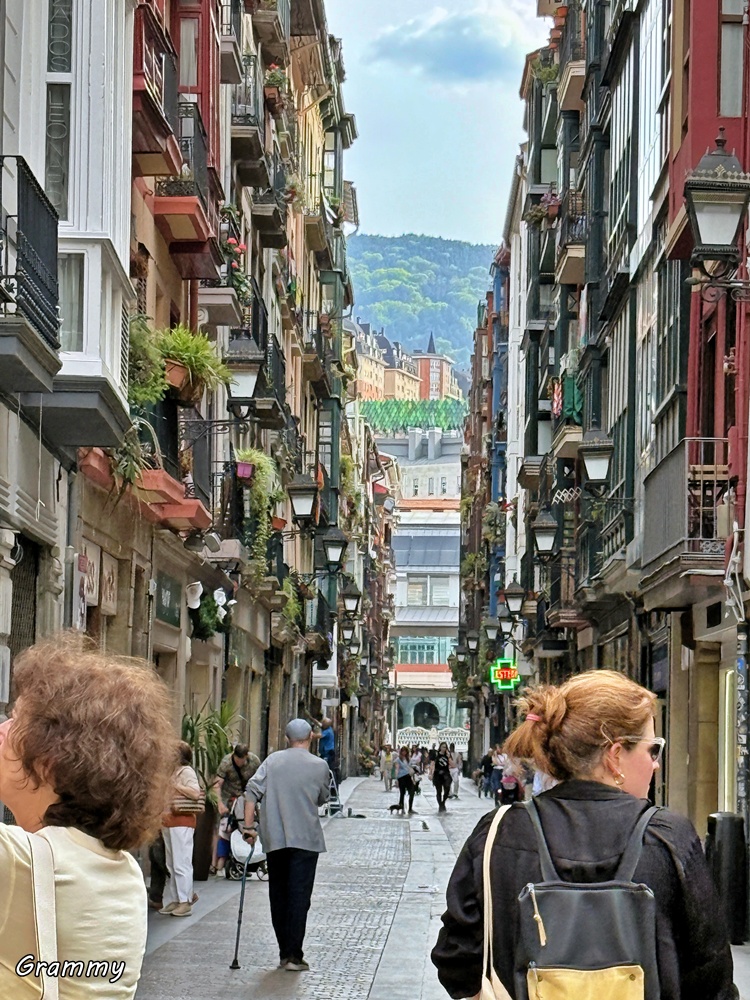
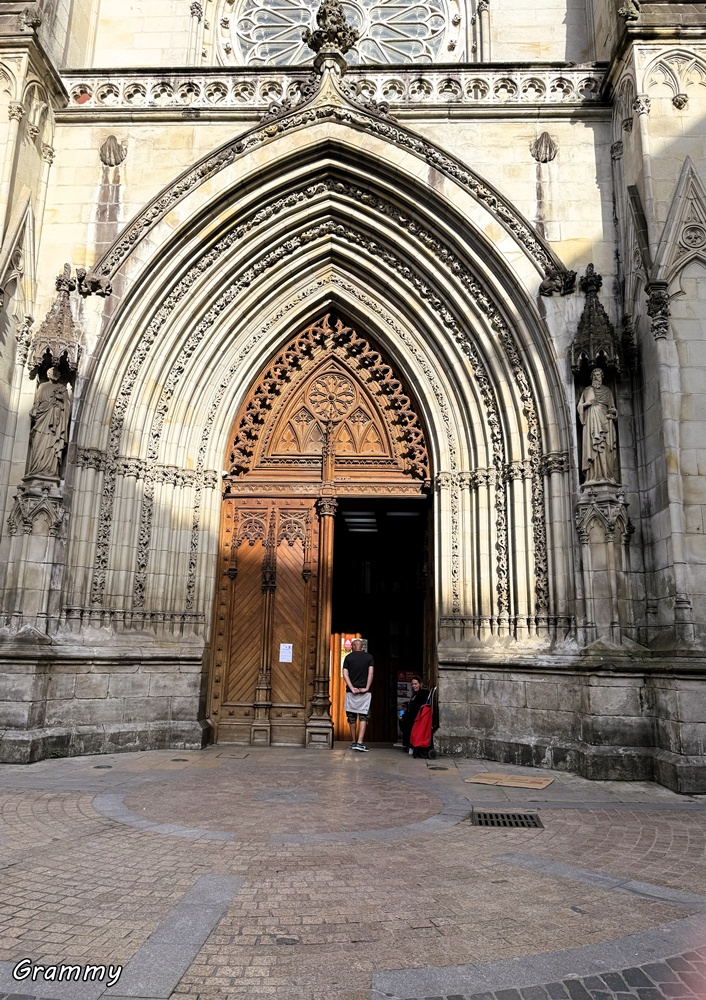
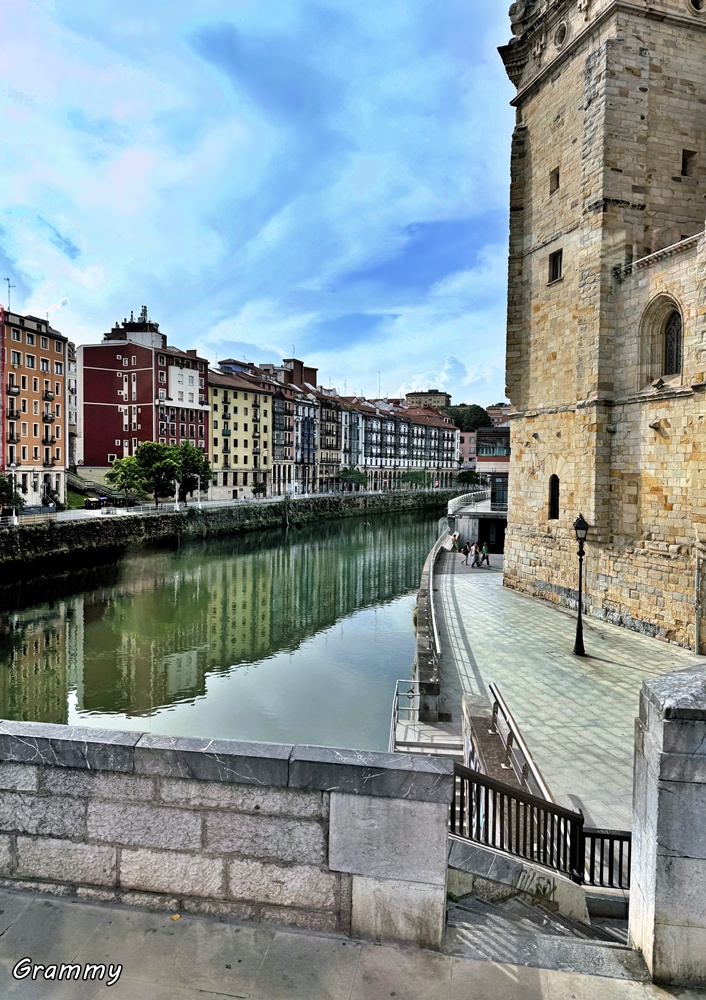
Not to be outdone, the Old Quarter in the heart of town still shows traces of the traditional charm it must have had late in the 13th century when Bilbao was first founded.
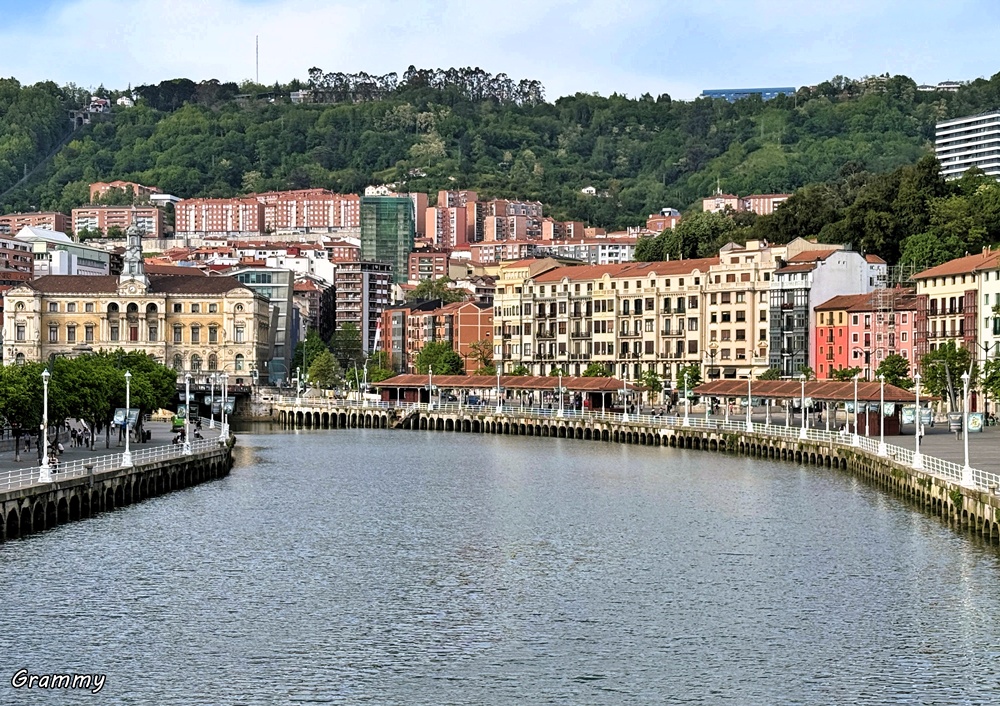
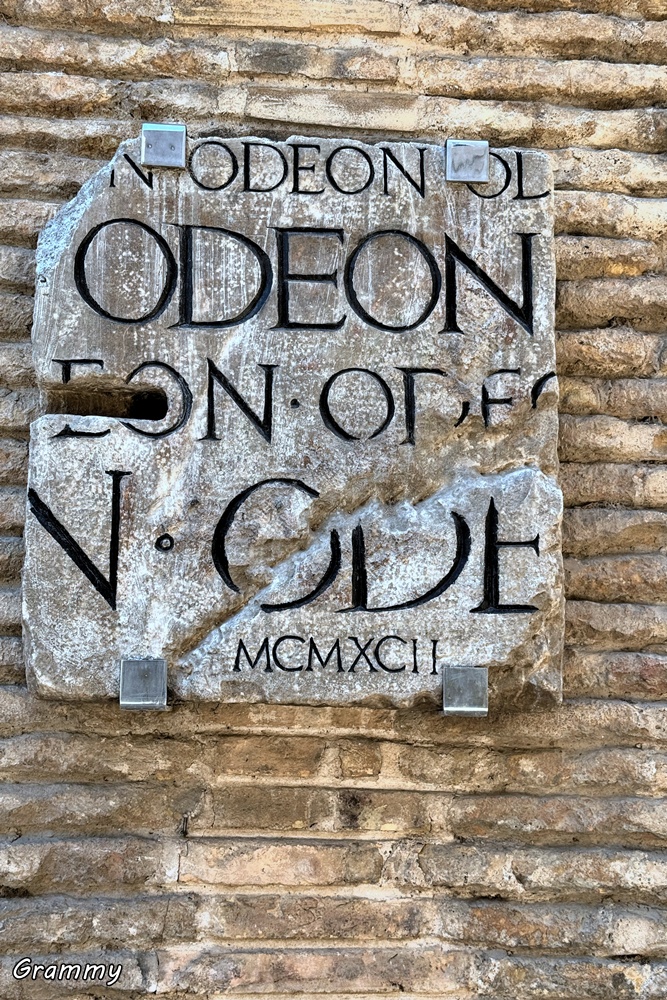
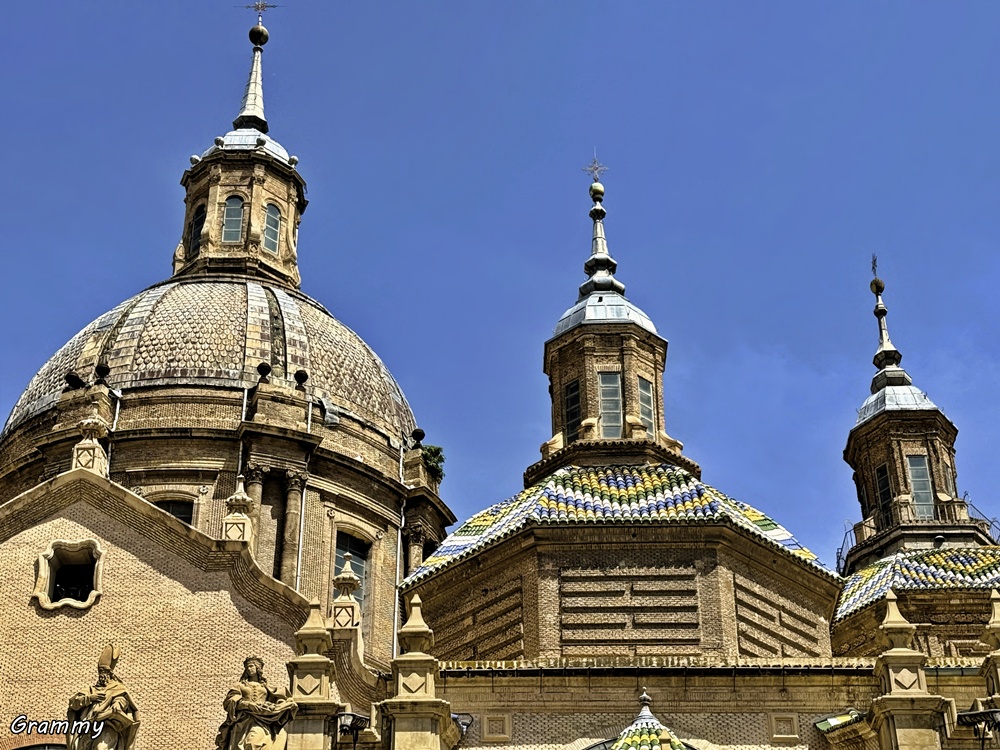
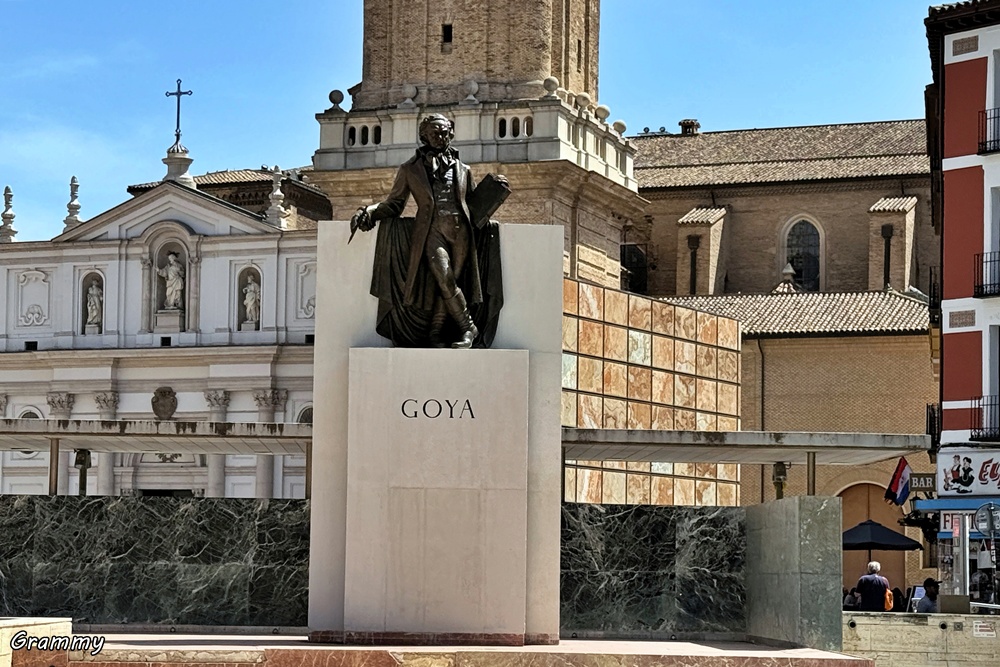
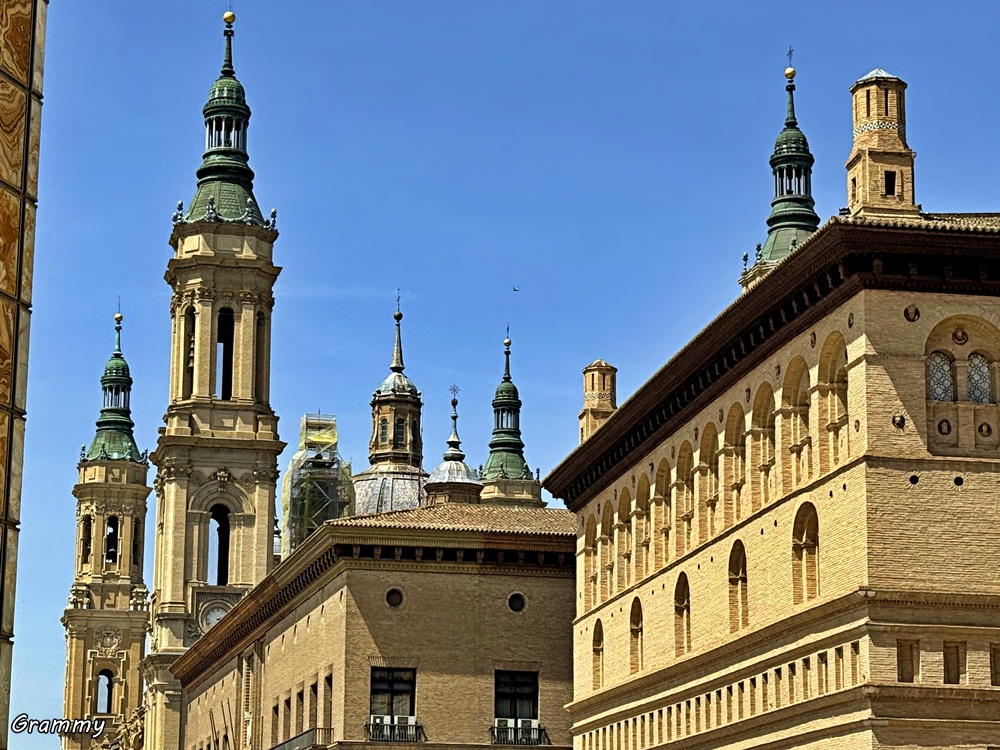
One of my favorite stops was charming Zaragoza, a city that was originally founded by the Romans in 24 B.C. and featured a forum, baths, and a theater. Now, you will find Roman ruins, Islamic palaces, a great cathedral, and a thriving arts scene, including the Goya Museum dedicated to the famous painter.
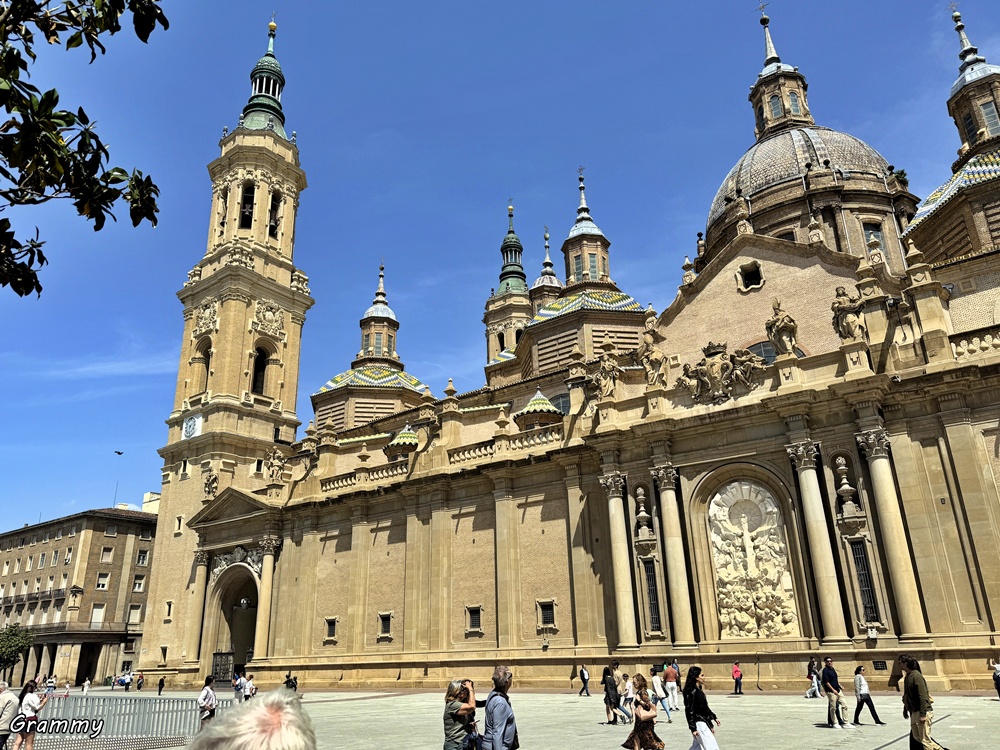
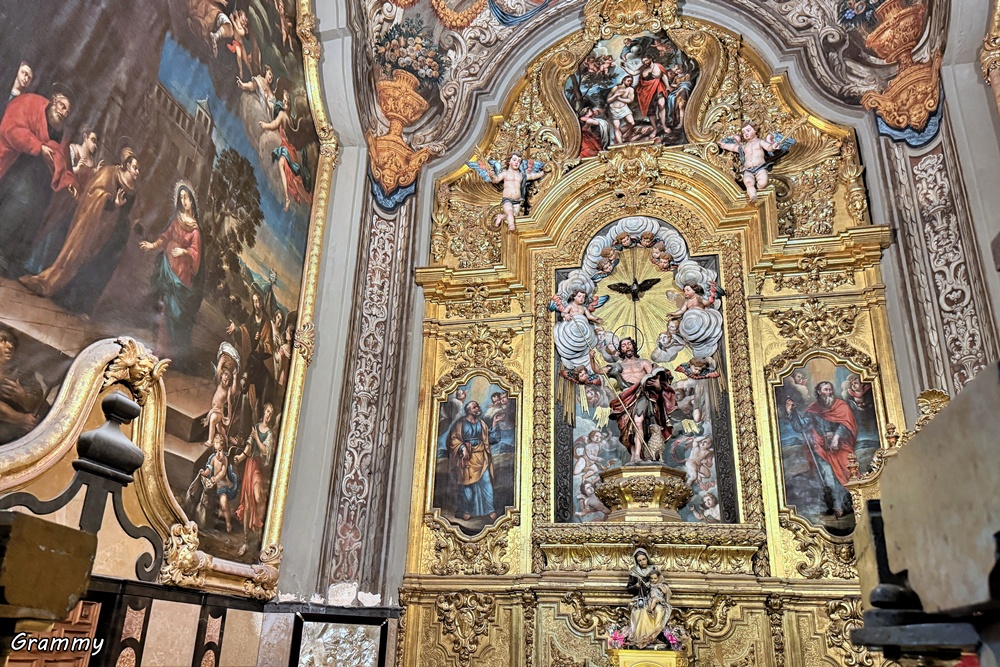
At last, we reached our final destination: Barcelona. As luck would have it, we arrived during Sant Jordi, when the city transforms into a giant celebration of books, flowers, and culture. I’ve seen crowded cities before, but Barcelona during Sant Jordi is in a league of its own.
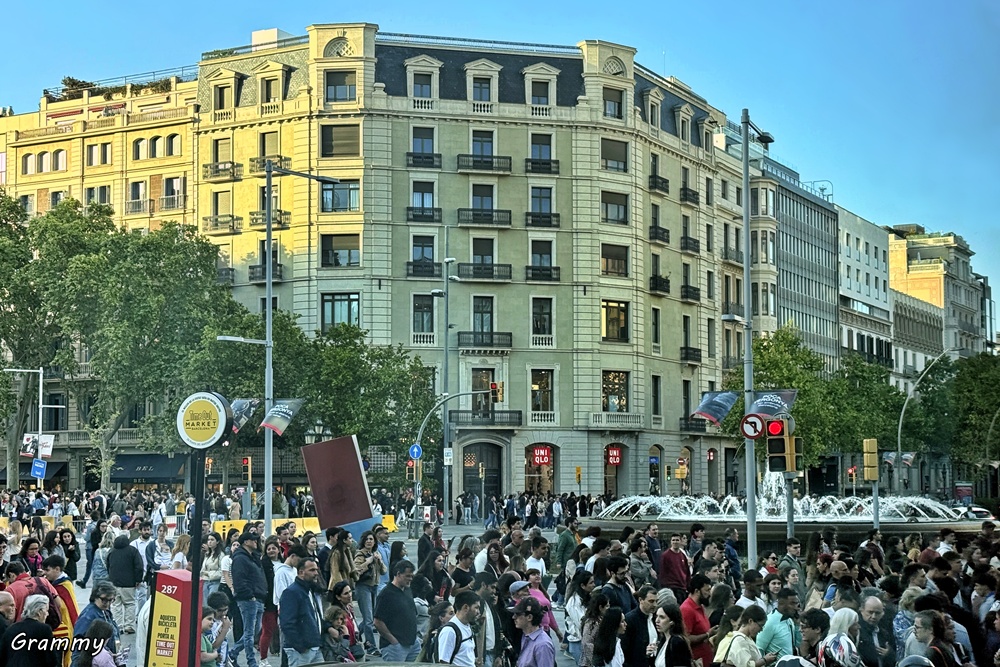
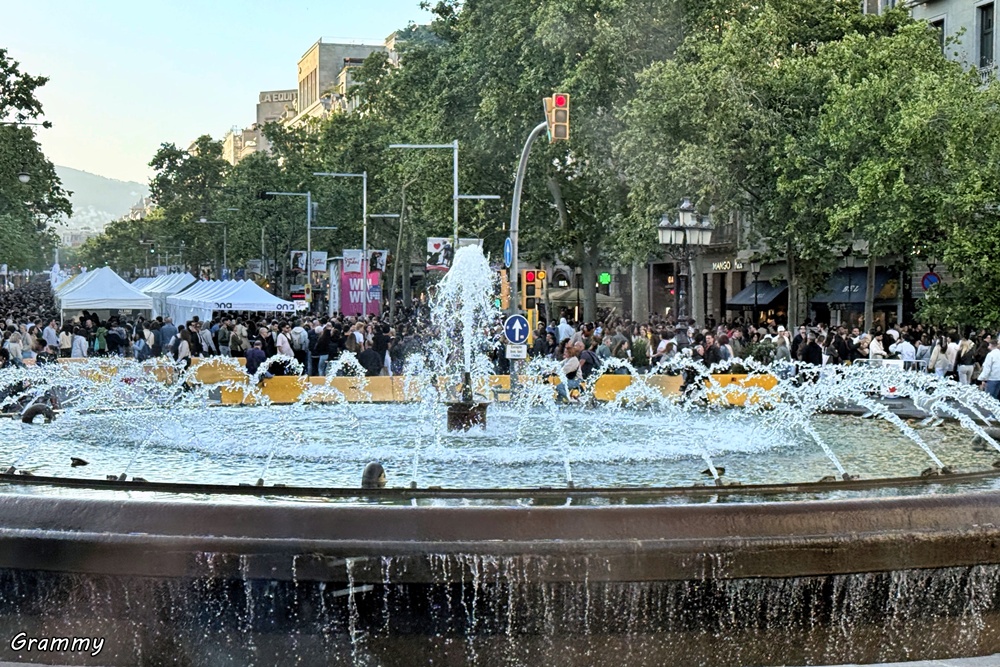
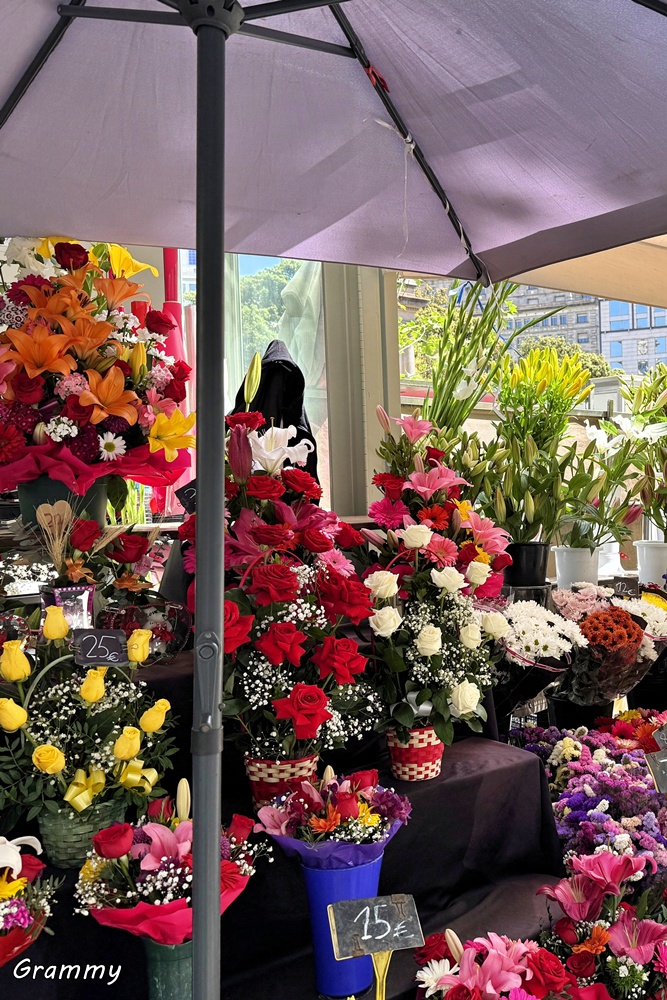
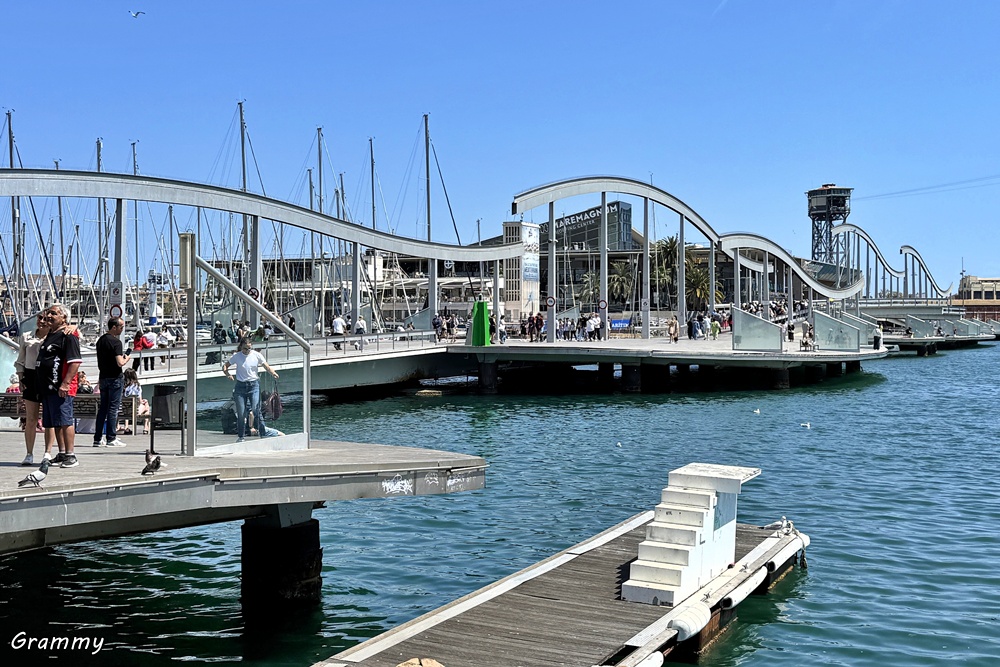
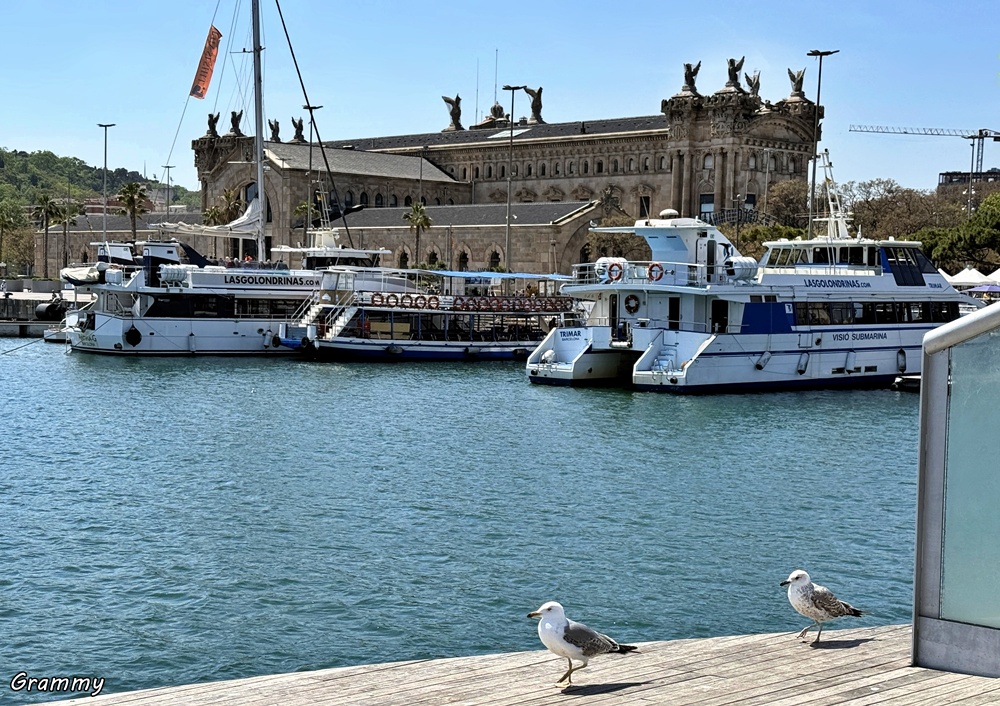
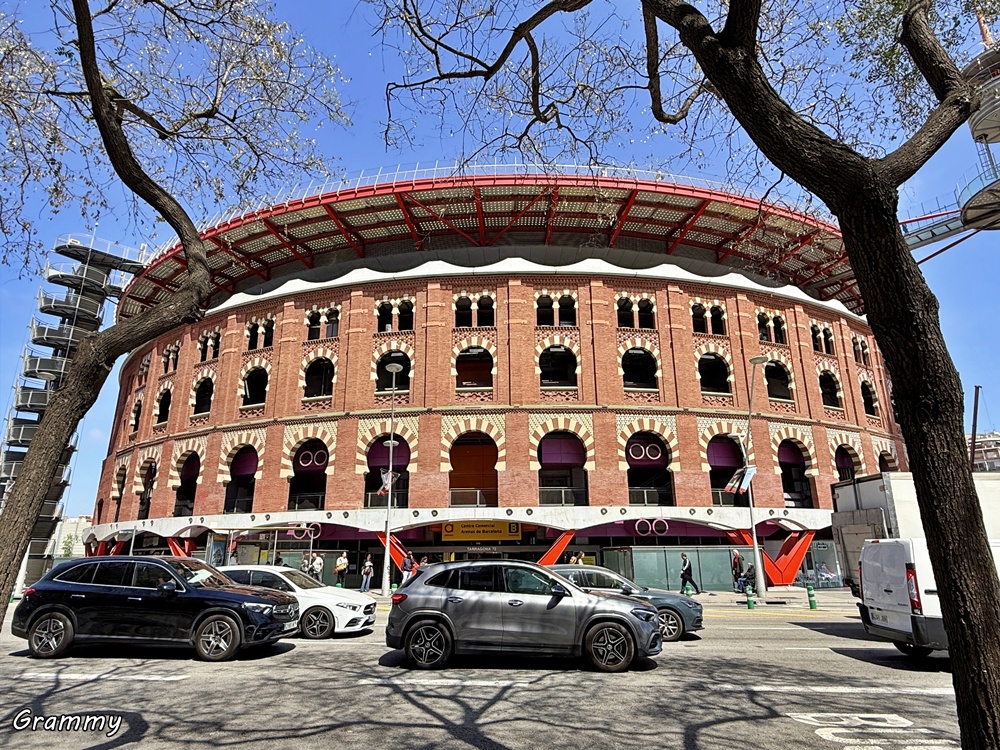
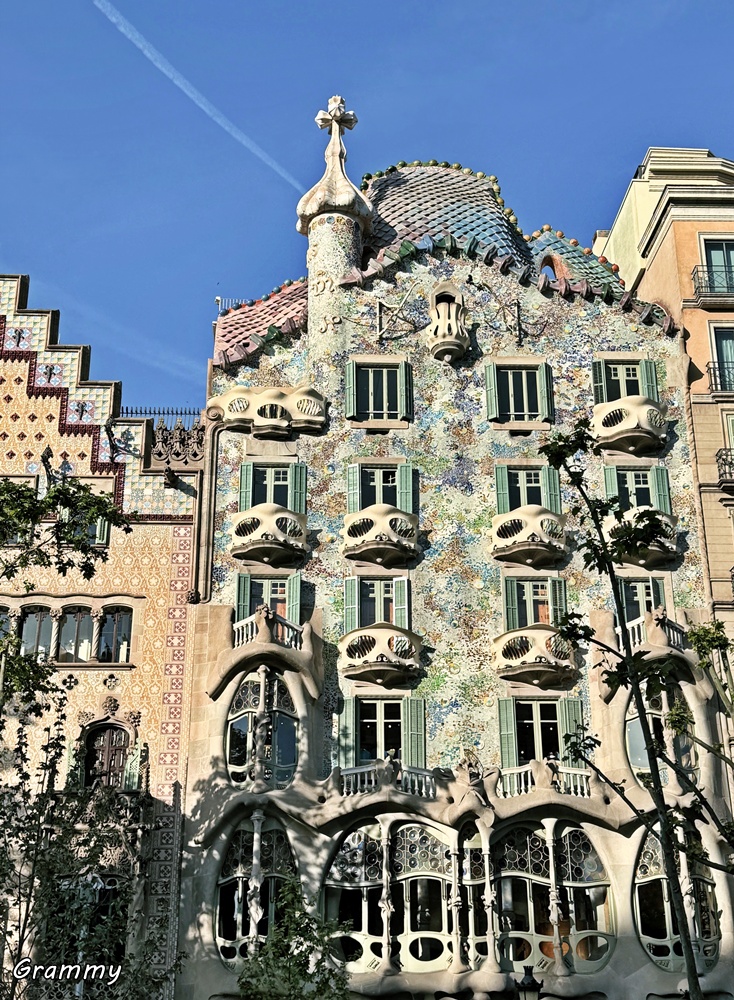
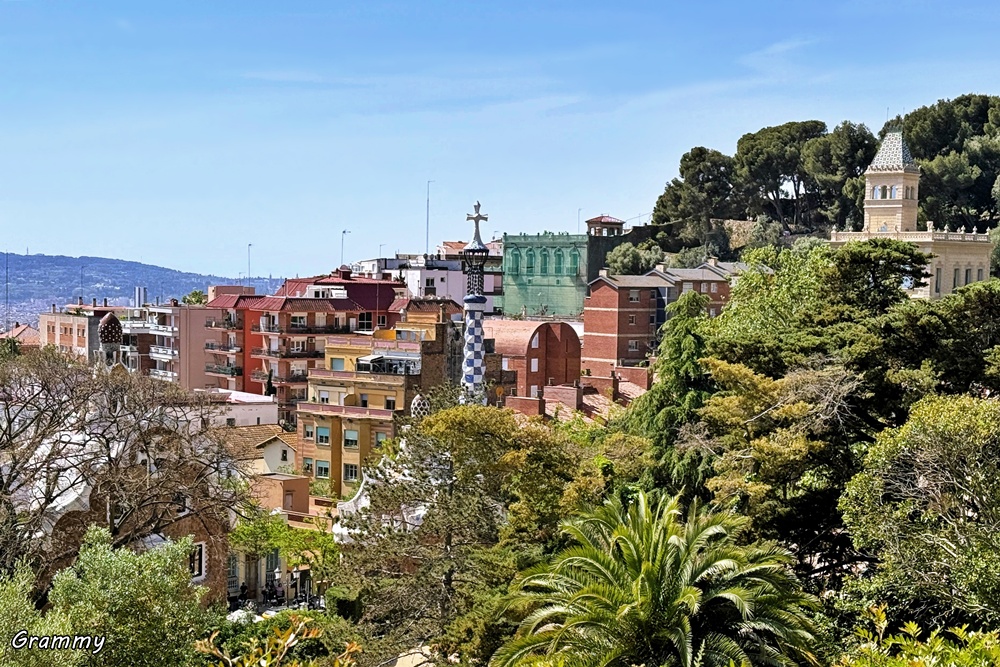
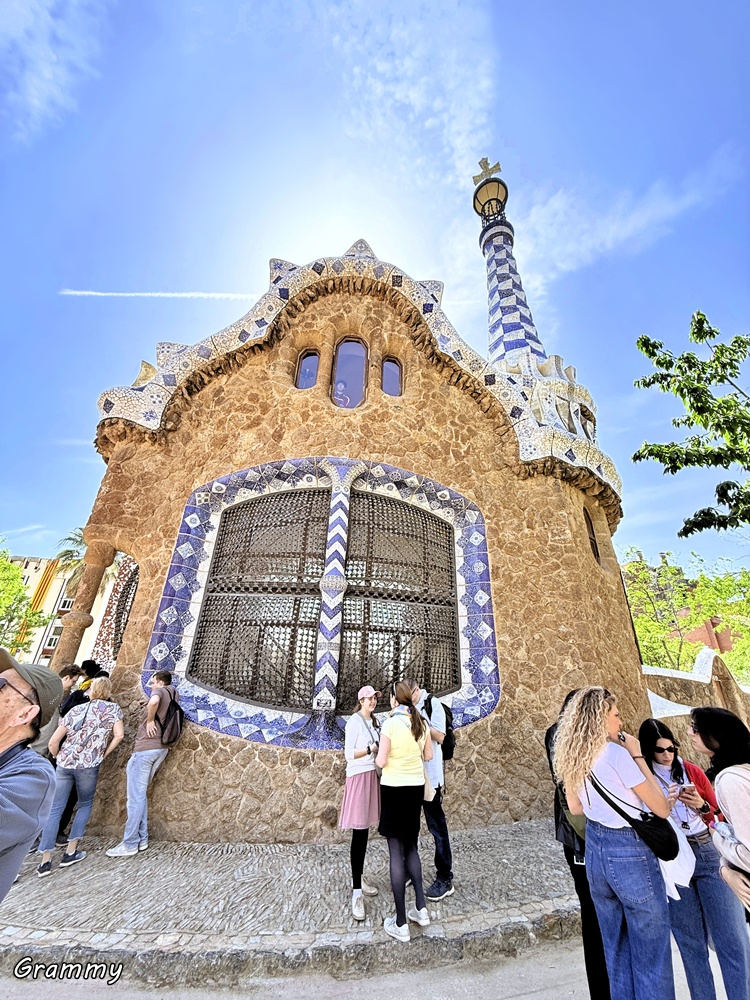
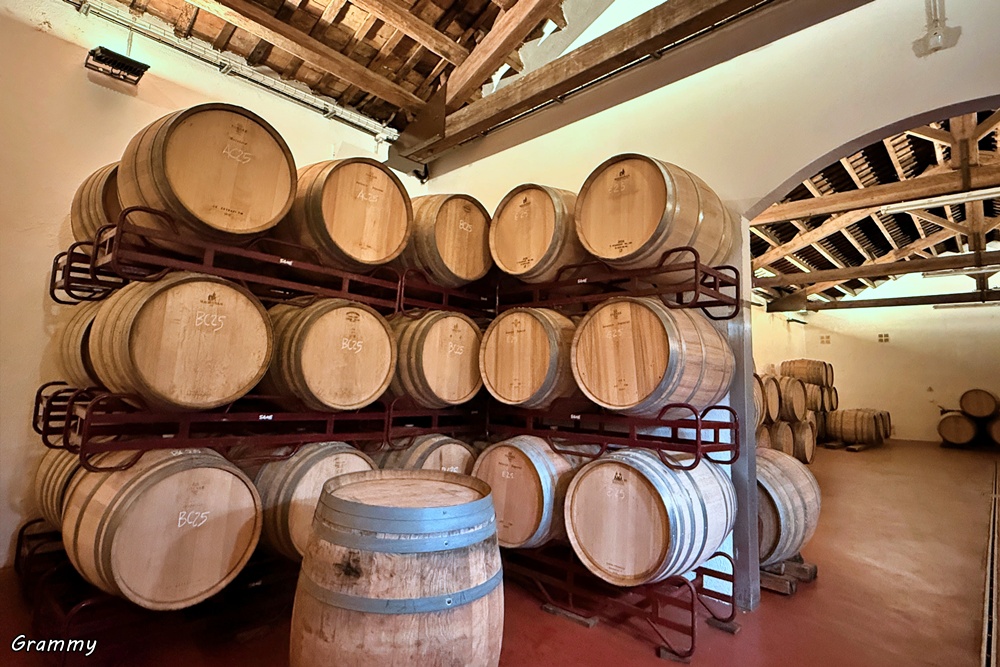
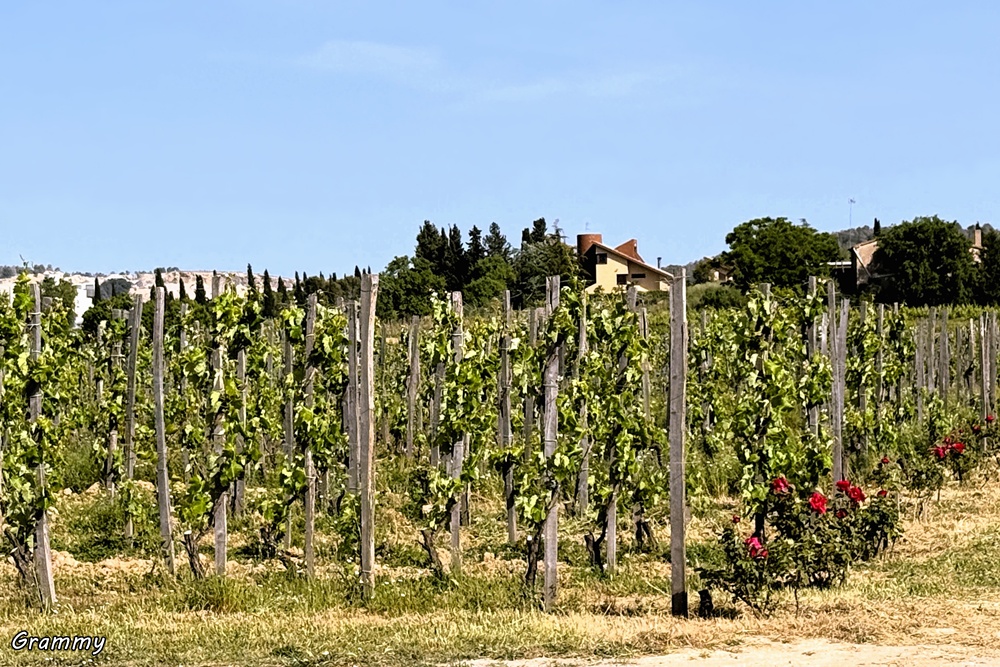
Our city tour began with a drive along the harbor to Plaza Catalunya, the city’s main square, and to Plaza de España, home to the city’s old bullfighting ring. Along the way, we encountered unmistakable works by Antoni Gaudí, whose creativity defies every architectural rule, yet is somehow always amazing. We drove up Montjuïc Hill for panoramic views and the site of the 1992 Olympic Summer Games. We visited Park Güell, where Antoni Gaudí’s imagination seems to have run delightfully wild. A wine tasting in the Penedès wine region was the perfect way to end the day.
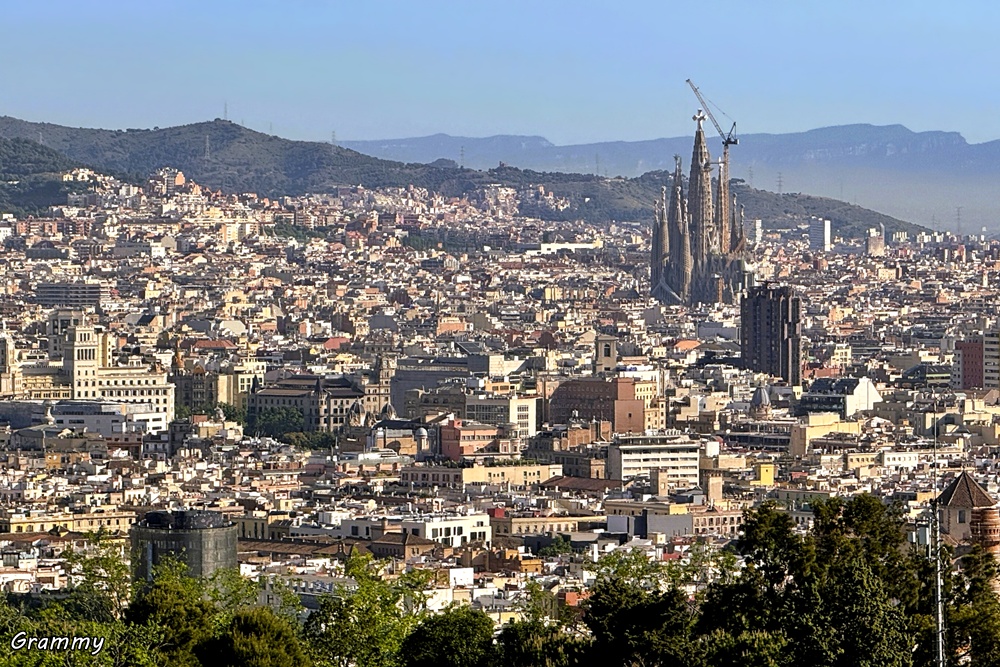
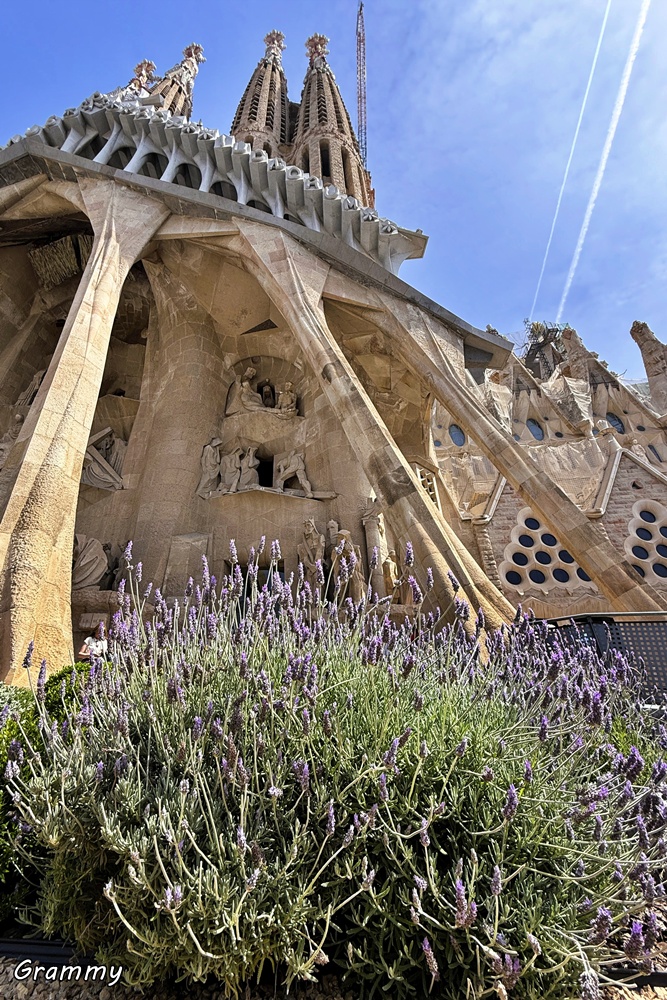
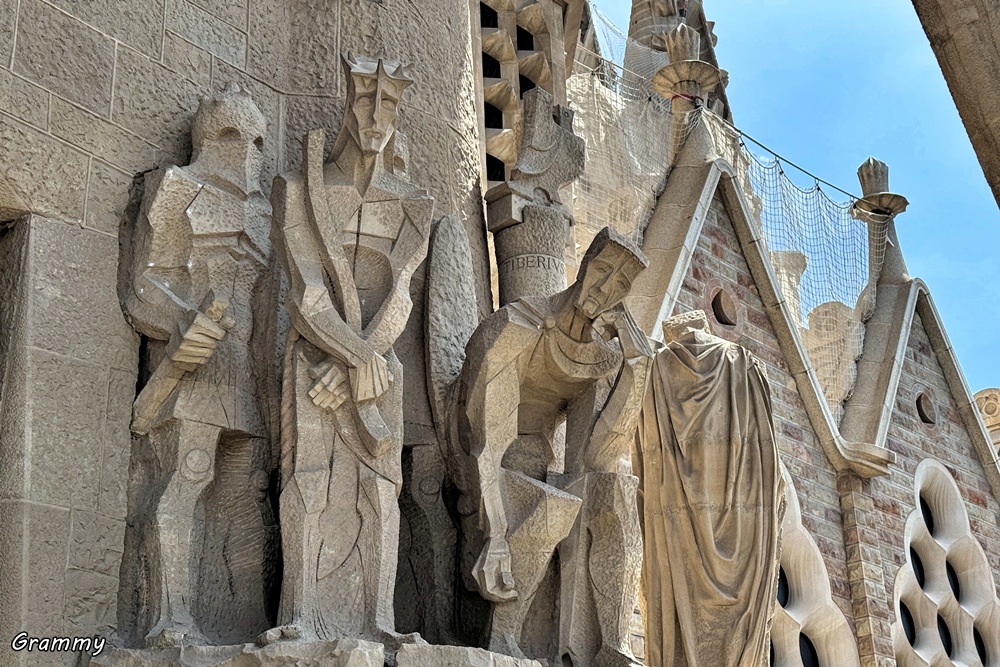
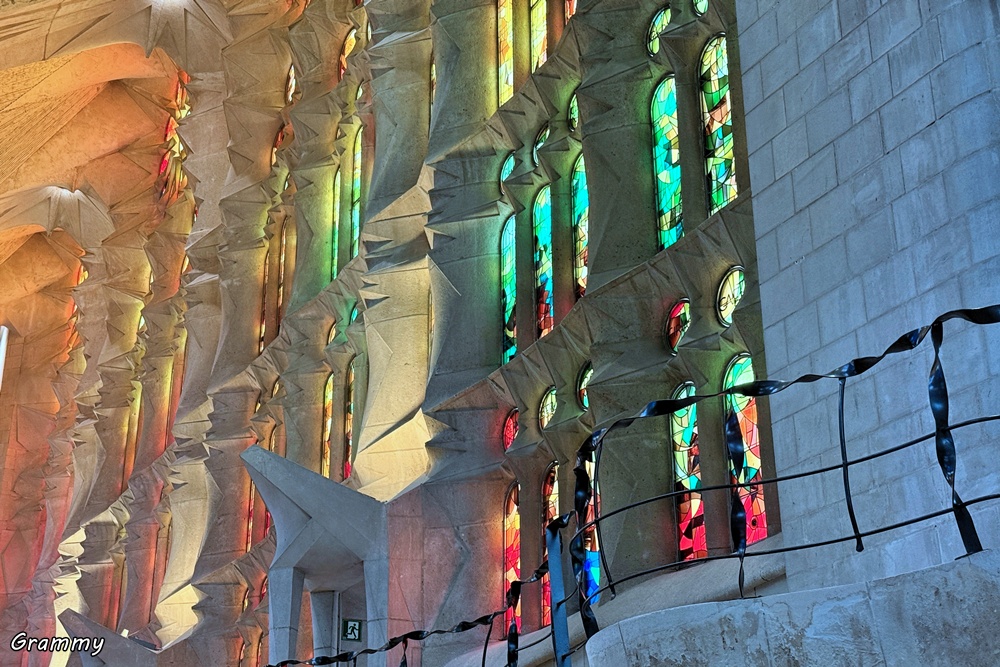
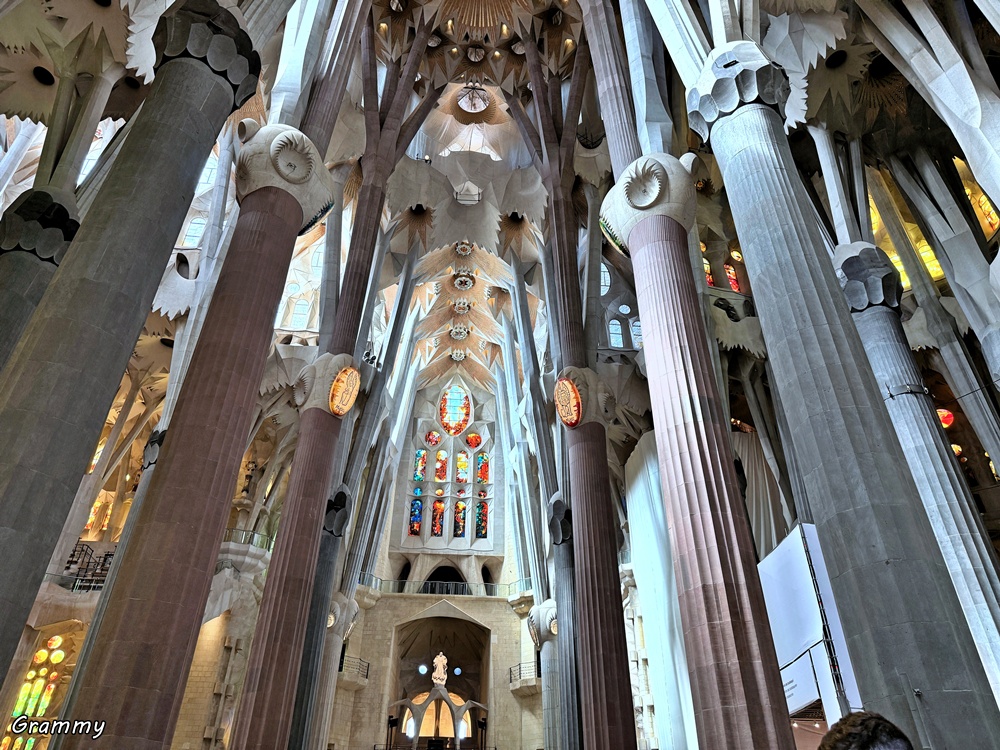
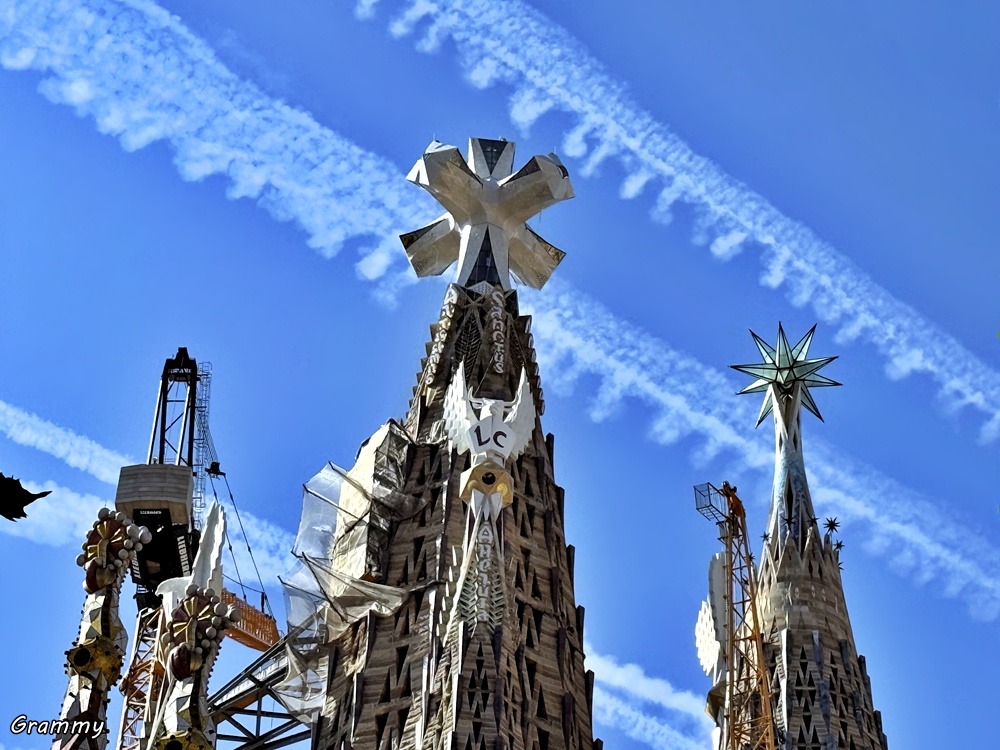
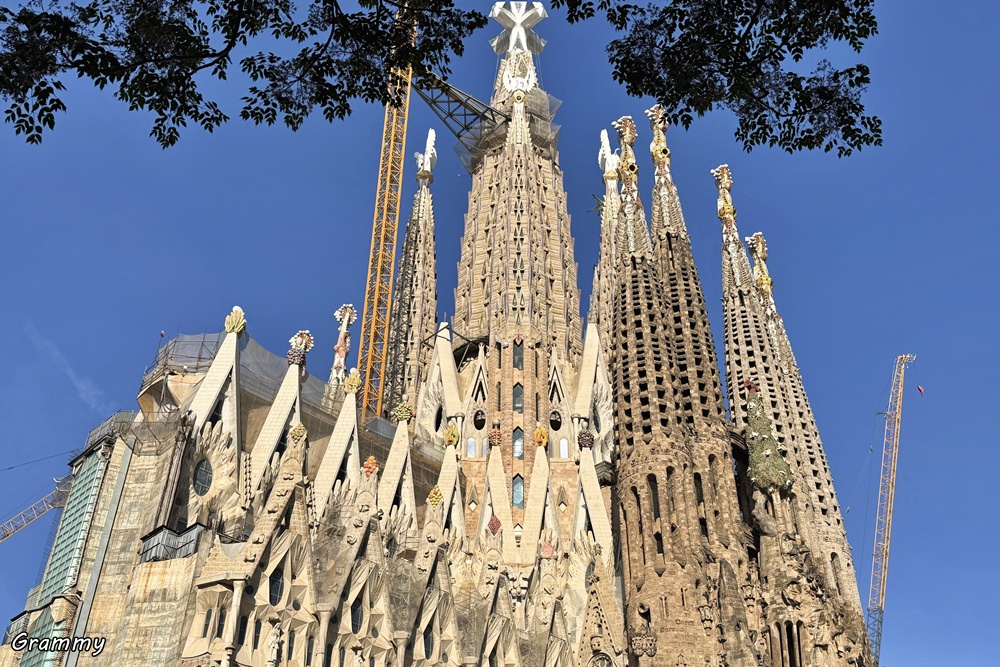
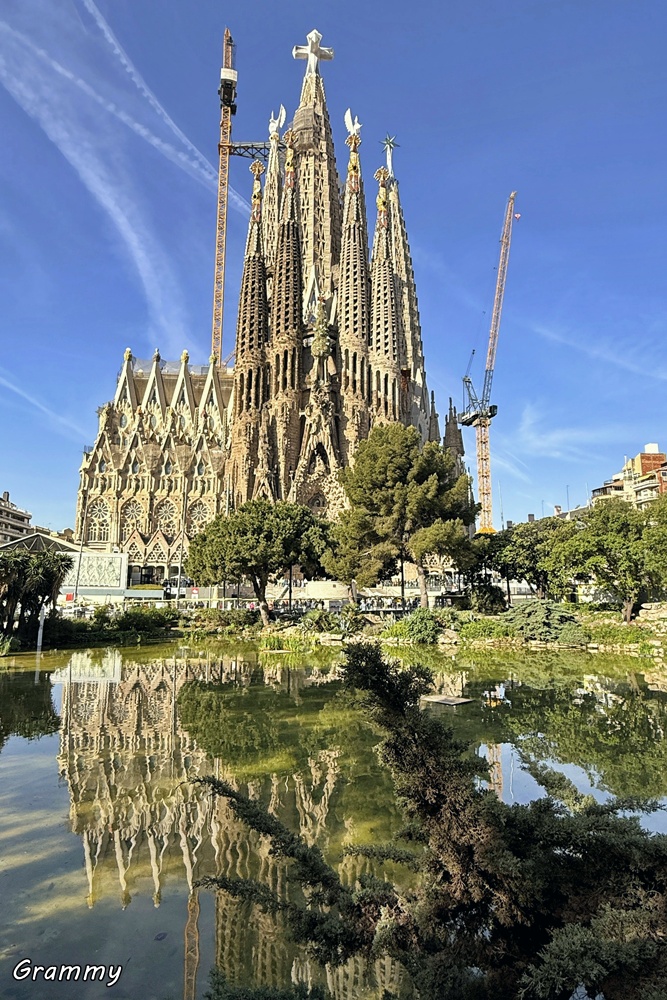
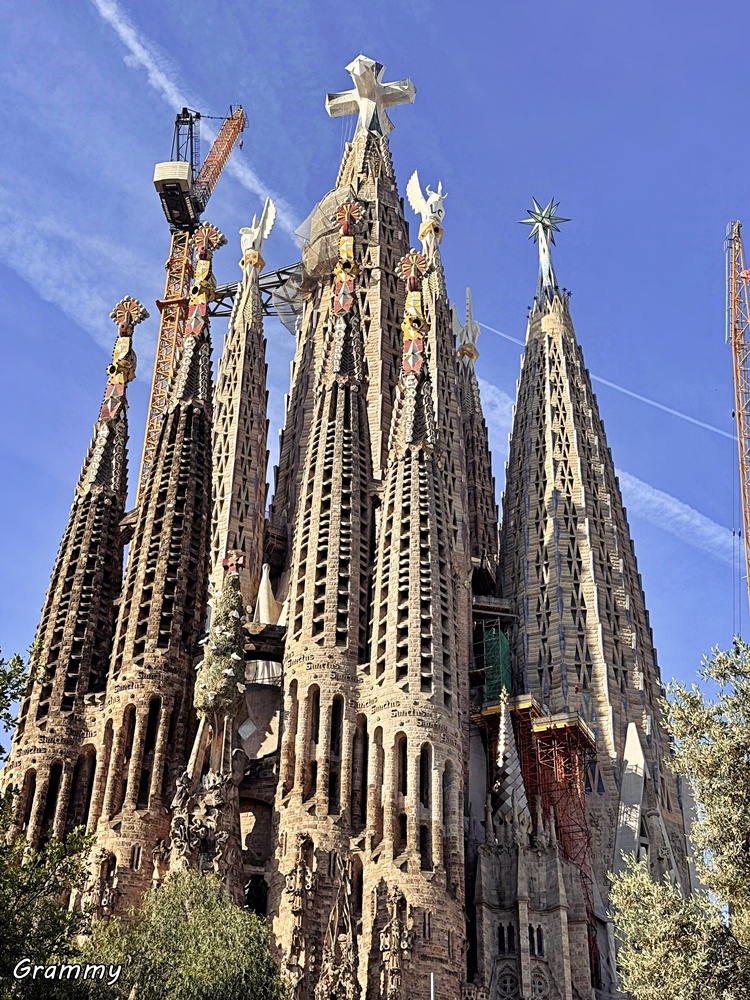
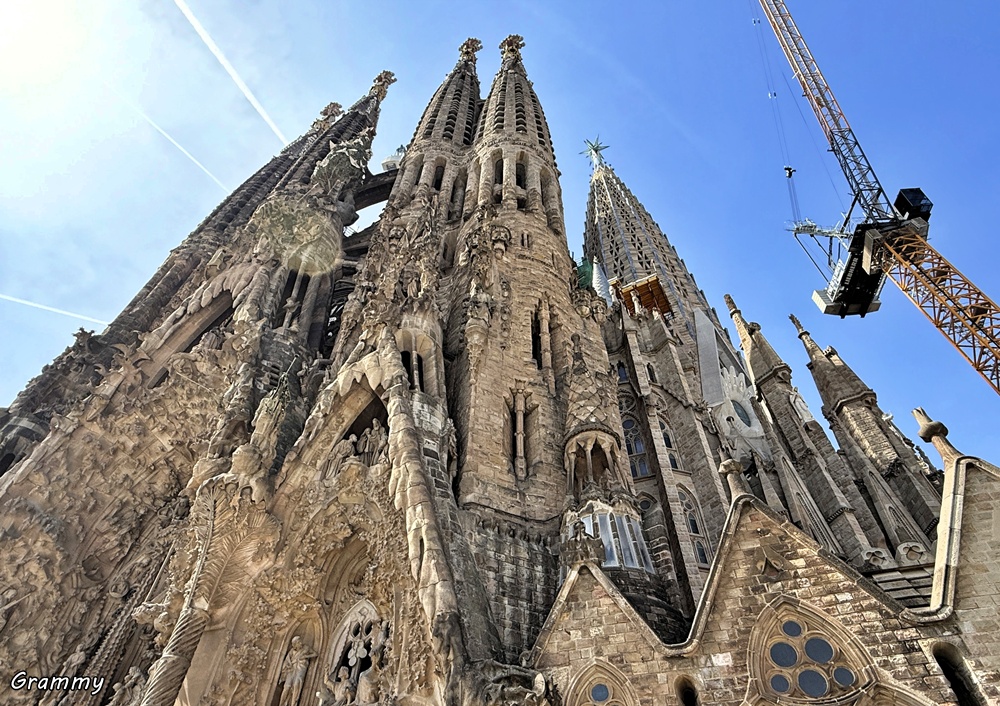
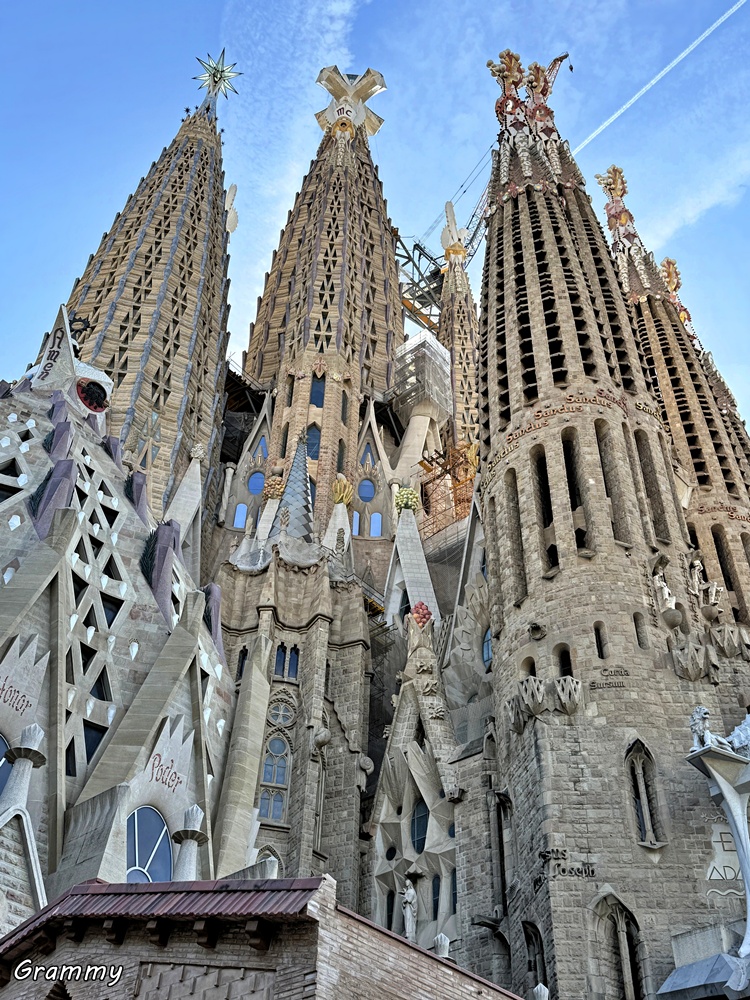
We saved Barcelona’s crown jewel, La Sagrada Família, for our final day. The colossal church is Gaudí’s masterpiece, and much of his career was devoted to its construction. More than a century after his death in 1926, work continues. Outside, three incredibly detailed facades await admiration by visitors. Inside, with Gaudi’s crypt resting below, towering columns and bright stained glass create a space unlike any church I’ve ever seen.
By departure day, I was ready to head home, but Spain had thoroughly won me over. I wasn’t expecting architecture to rival Greece, food to rival Italy, palaces to rival France, or a culture as vibrant as Mexico’s. Yet Spain delivered all of that and more. It captured my heart far more than I ever imagined.
Adiós, España. Until next time.
As always, if you receive this post by email, please click on my site for proper formatting.


Breathtaking! Wow!!!❤️
LikeLiked by 1 person
Spain was beautiful! Thanks!
LikeLike
So interesting. Thanks!
Gwen.
LikeLiked by 1 person
Thank you, Gwen. It was amazing.
LikeLike
The wealth of architecture alone has me wanting to visit Spain. I’ve come to realize I may not be a fan of a particular architect’s style yet I can still appreciate everything that goes into the design and construction. In that respect there are few projects as monumental as the Sagrada Familia. The timeframe alone would only be rivaled by similar monuments in the Middle East.
LikeLiked by 1 person
While not the most beautiful cathedral in the world, in my opinion, I did find Sagrada Familia fascinating! The exterior is so full of surprising features that one could examine it for weeks and still not notice every detail. The interior feels vast and lacks warmth, but the use of light and color is outstanding! The Alhambra is another architectural treasure that would totally fascinate you. You definitely need to put Spain on your bucket list.
LikeLiked by 1 person
Wonderful captures. Spain is beautiful and full of life.
We just returned from our trip to Aragon, Navarre and Basque regions in Spain.
LikeLiked by 1 person
Not only beautiful, but full of history and culture. I hope you enjoyed your trip.
LikeLiked by 1 person
Wow, so many beautiful photos from the beautiful city of Seville, the crown jewel of southern Spain, and many other Spanish cities. I wasin Seville a few years ago and loved visiting the grand Cathedral and experiencing the city’s Moorish-influenced palaces, all while eating tapas and listening to flamenco. The Guggenheim Museum is still on my wish list, so a return trip to Spain is definitely on the cards. Thanks for sharing, and have a good day 🙂 Aiva xx
LikeLiked by 1 person
I’m already longing to go back to these lively and lovely places in Spain. Wish it wasn’t so far away. Thanks for the comment. Take care, Aiva.
LikeLike