
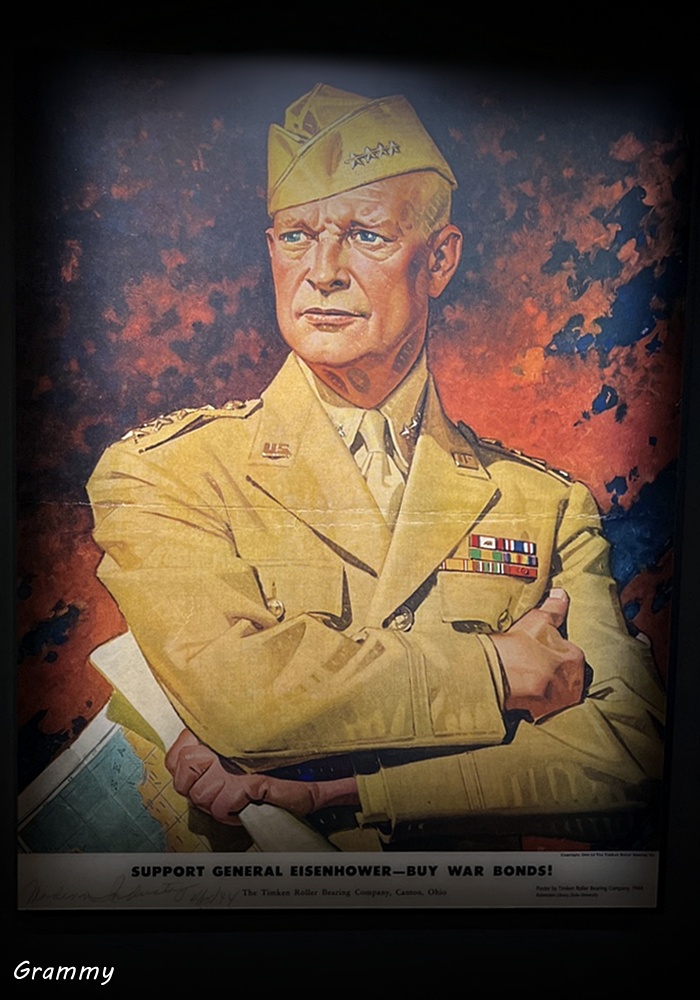
Abilene, Kansas—located about two and a half hours west of Kansas City—is best known as the hometown of Dwight D. Eisenhower, the 34th President of the United States and the first president I can remember, which dates me a bit.
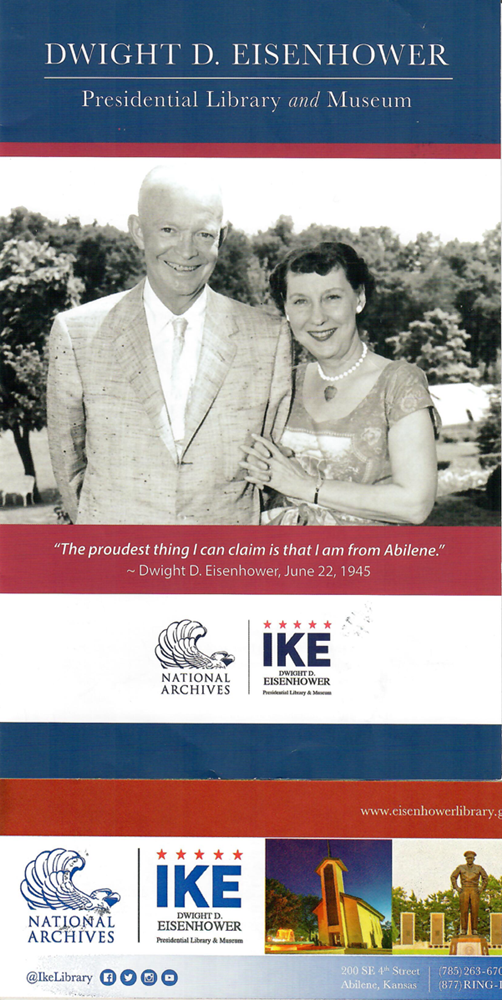
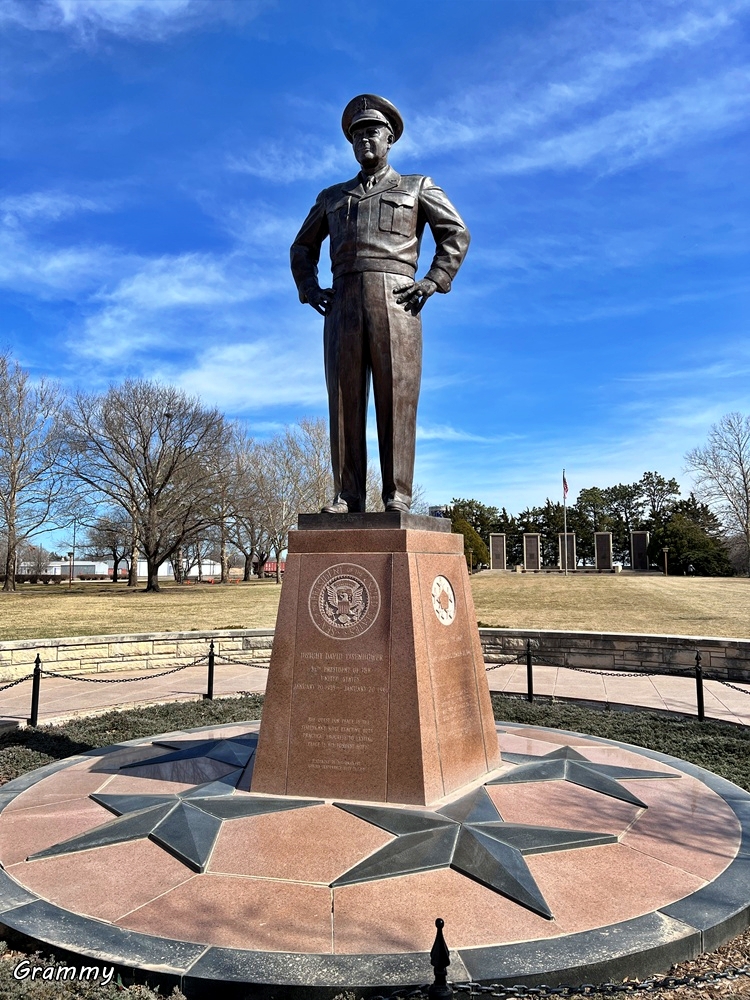
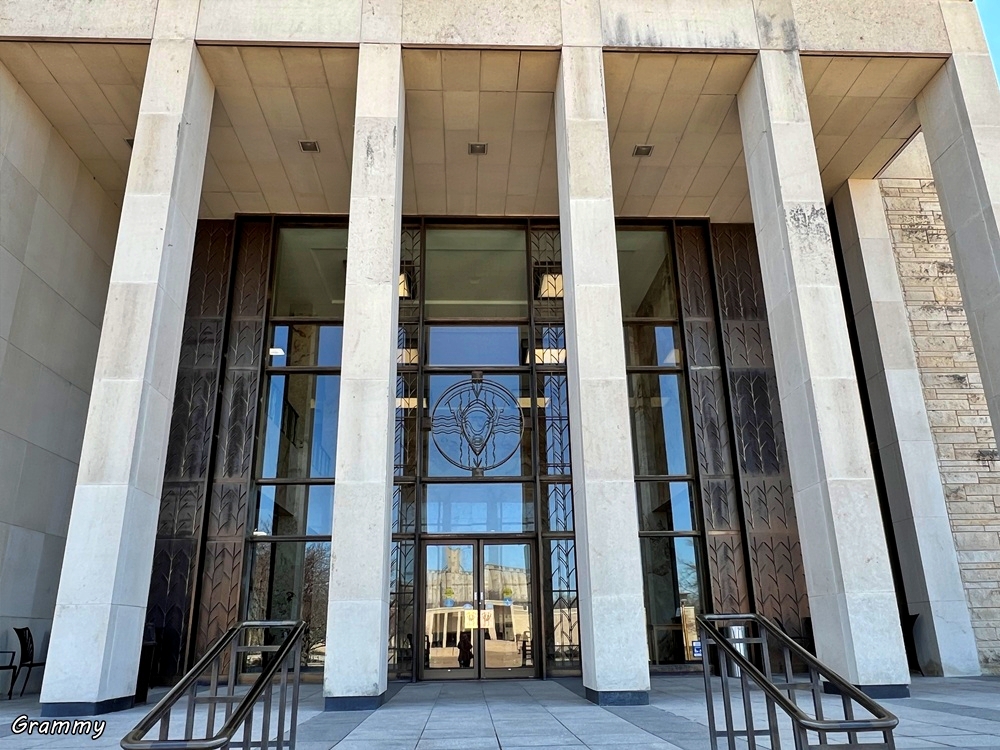
Eisenhower’s life and accomplishments are presented in depth at the Dwight D. Eisenhower Presidential Library, Museum, and Boyhood Home in Abilene. Together, these sites offer a fascinating look at a leader whose influence reached far beyond his Kansas hometown. When I was in grade school, class trips were often taken to Abilene to visit the Eisenhower site. The complex was smaller back then, but even as a child, I found it an interesting place to explore.
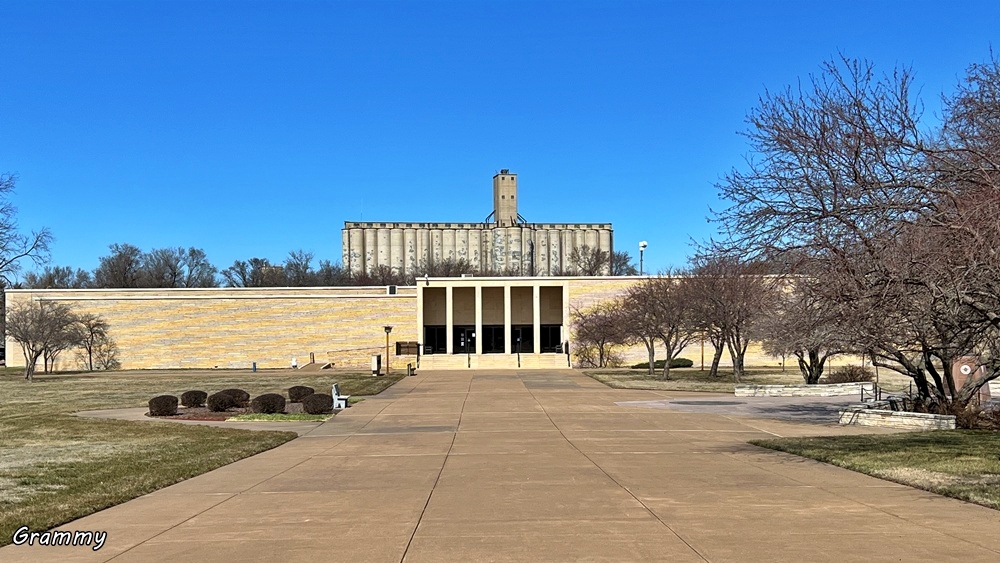
Dwight David Eisenhower was born on October 14, 1890, in Denison, Texas, but spent most of his childhood in Abilene. Originally named David Dwight Eisenhower, he reversed his first and middle names when he enrolled at West Point in 1911 to avoid confusion with his father. The third of seven sons in a modest family, he was energetic, athletic, especially fond of football, and he developed the character, discipline, and determination that later shaped his national and global leadership.
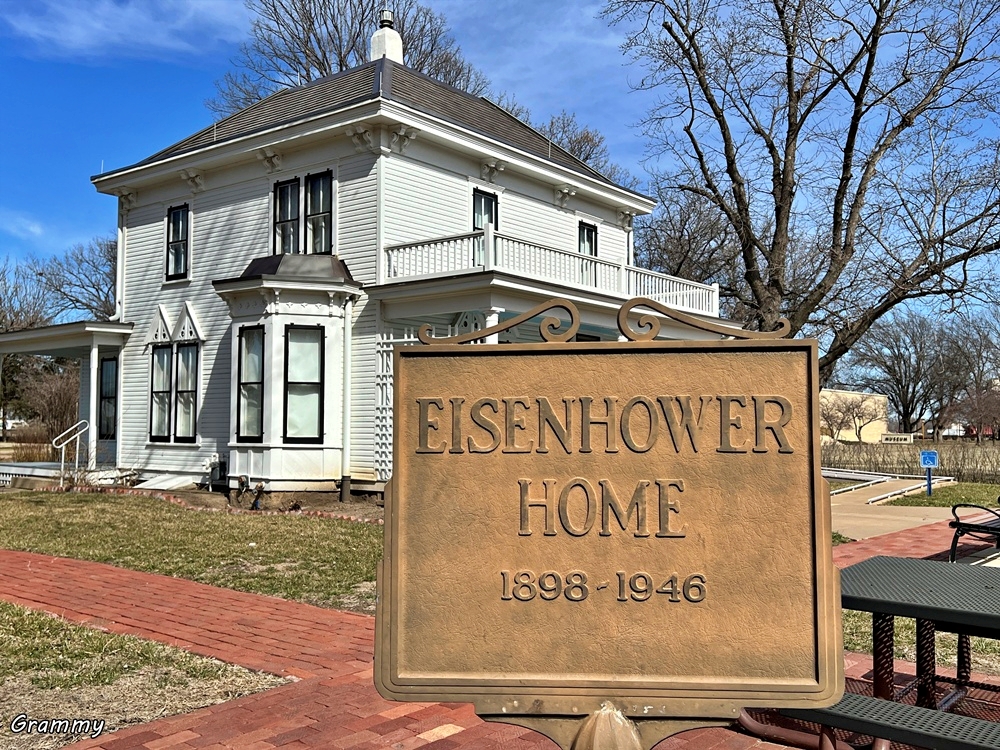
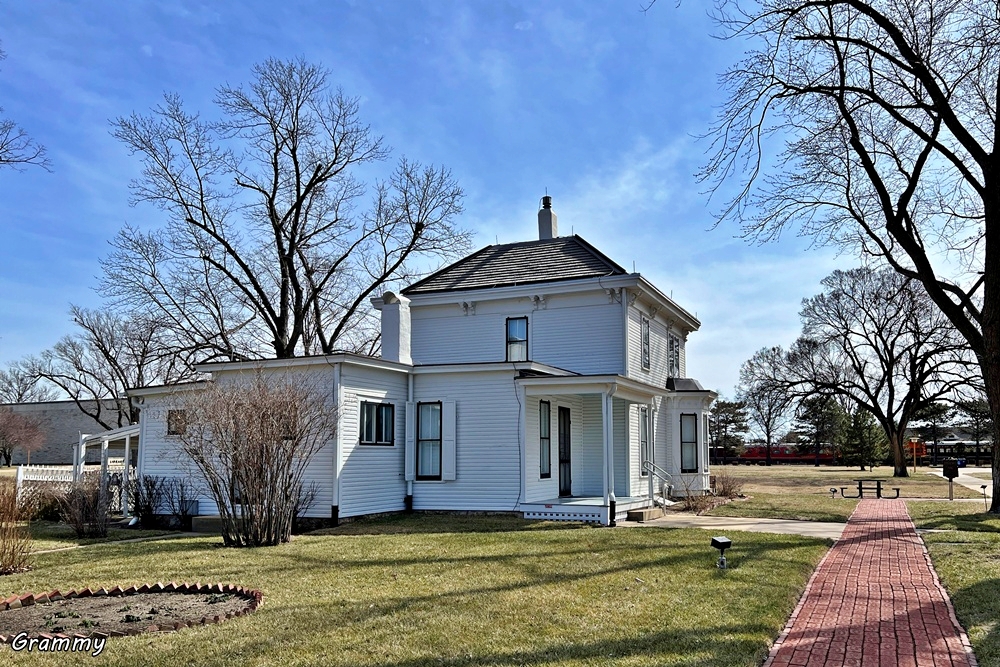
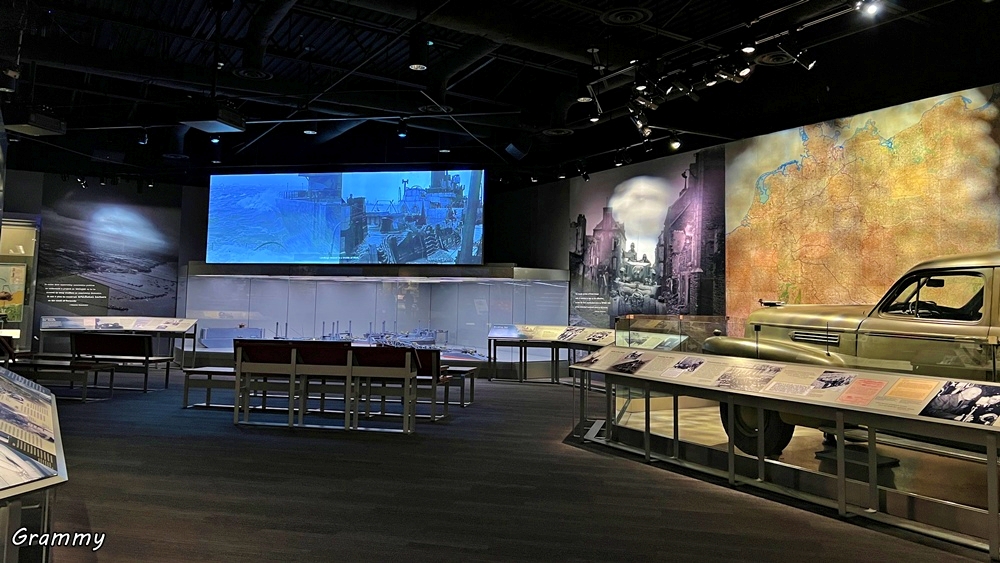
Eisenhower’s career path was extraordinary. He graduated from West Point and served as a military aide to General John J. Pershing and later to General Douglas MacArthur. During World War II, he became Supreme Allied Commander of the Allied Forces in Europe and oversaw the planning and execution of the Normandy invasion on D-Day. He ultimately rose to the rank of five-star general.
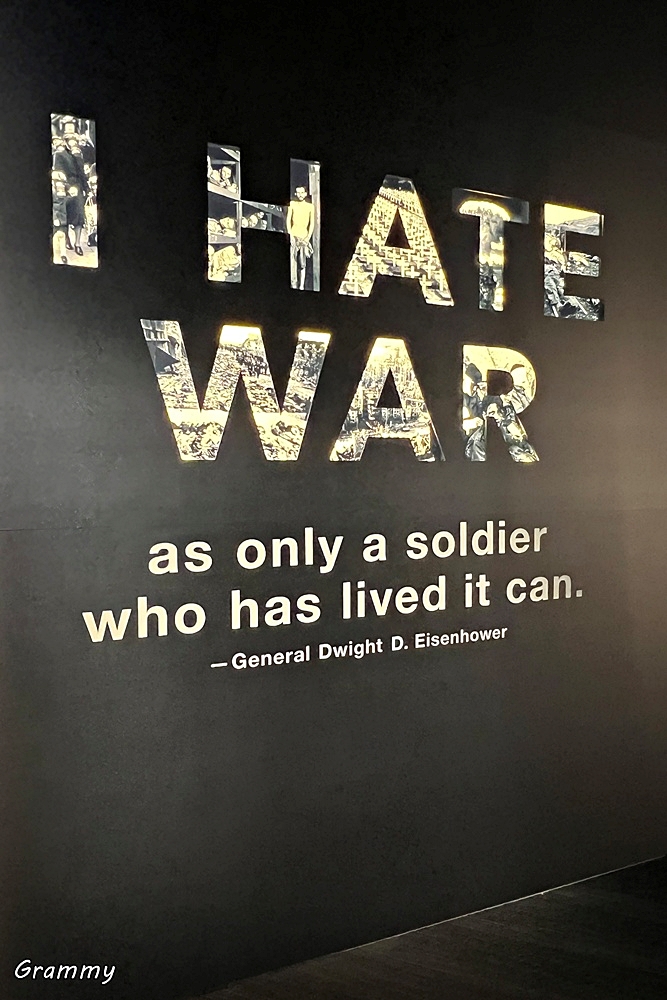
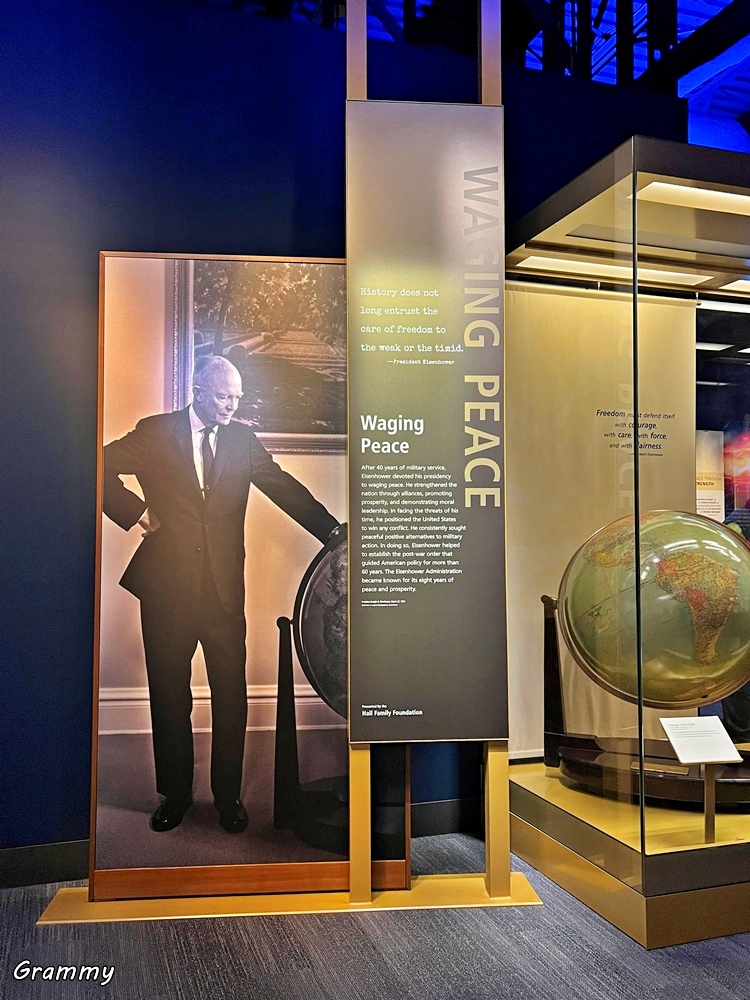
His career did not end with the war. Eisenhower served as U.S. Army Chief of Staff under President Harry Truman and became the first Supreme Allied Commander of NATO. He later served as president of Columbia University before entering politics. He won two landslide elections as President of the United States, and maintained a close relationship with Winston Churchill even after his presidency.
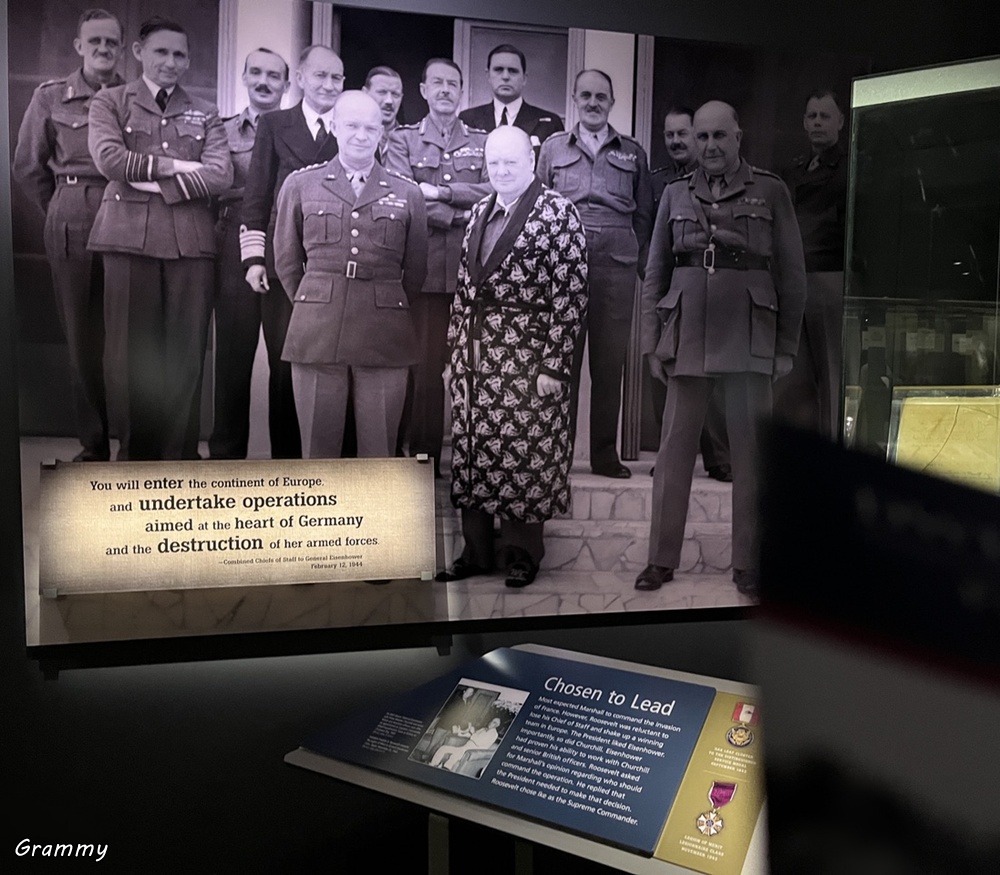
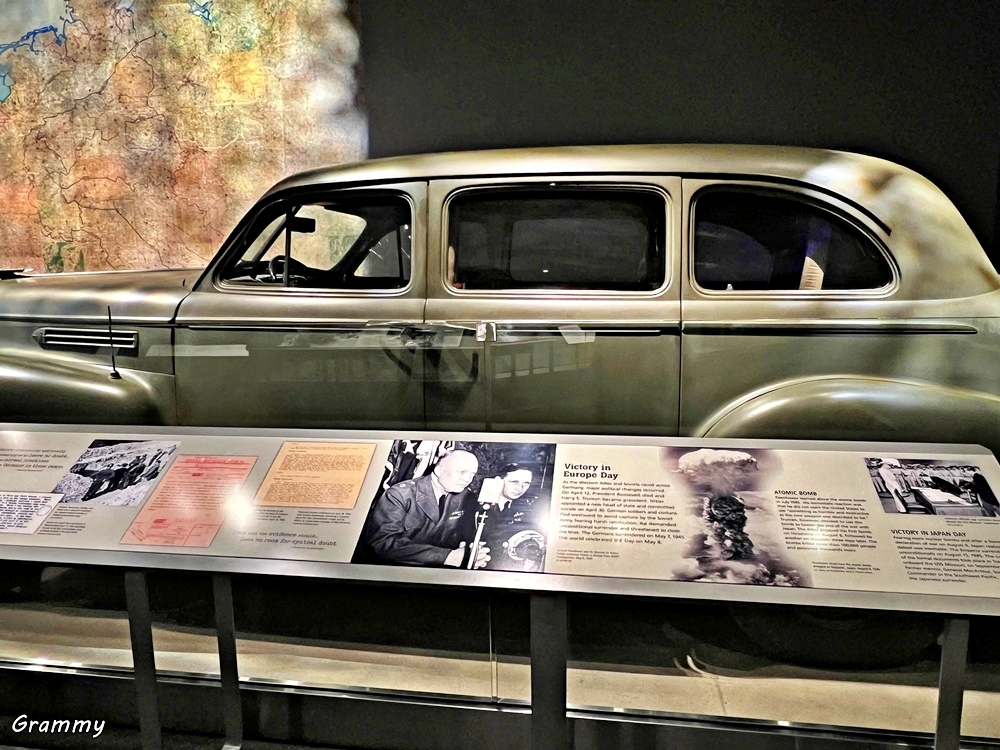
His remarkable achievements reflect far more than military skill and organizational ability. Eisenhower was persuasive, diplomatic, personable, and exceptionally good at building trust. His friendliness, humility, confidence, and optimism helped win people over, making the famous campaign slogan “I Like Ike!” especially fitting. I remember that slogan like it was yesterday!
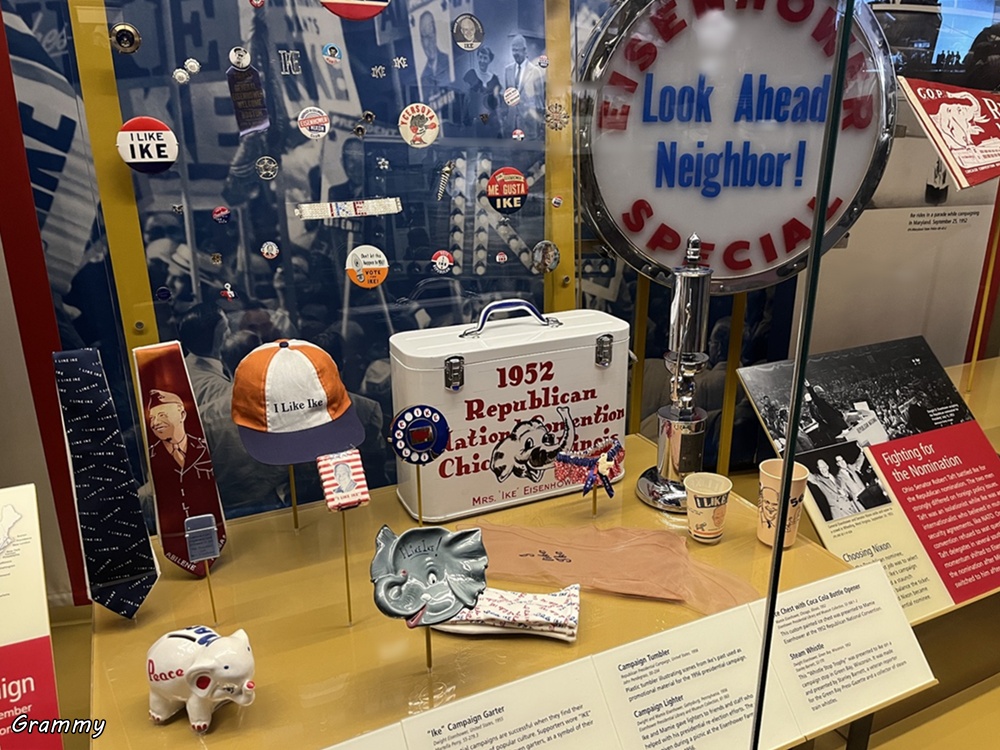
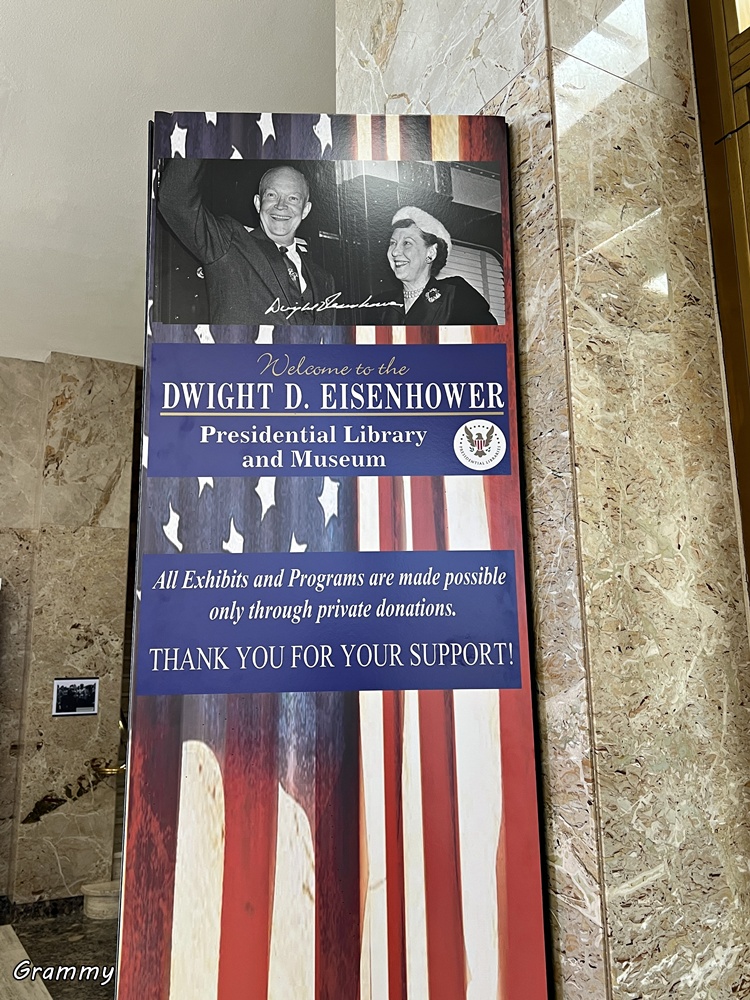
As president, “Ike” faced criticism from both the political left and right, yet he maintained strong public approval through much of his administration. His presidency helped shape the political landscape of the 1950s, including debates over civil rights, economic policy, and the proper role of government.
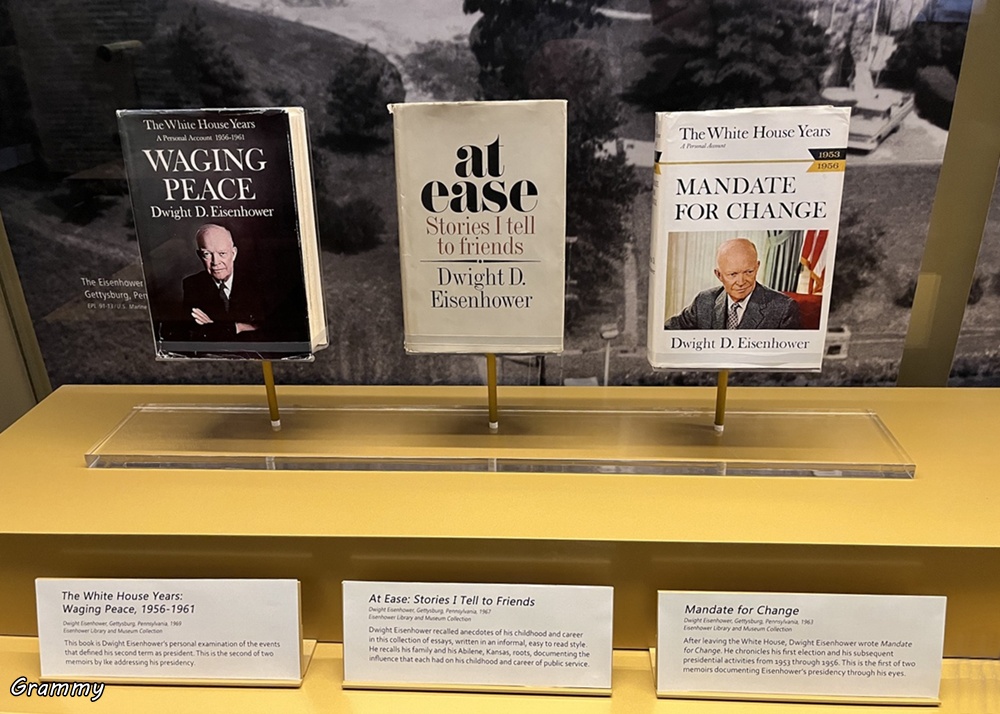
After leaving office in January 1961, Eisenhower retired to his farm in Gettysburg, Pennsylvania. He devoted much of his time to writing his memoirs and eventually published several books. He died on March 28, 1969, following a long illness.
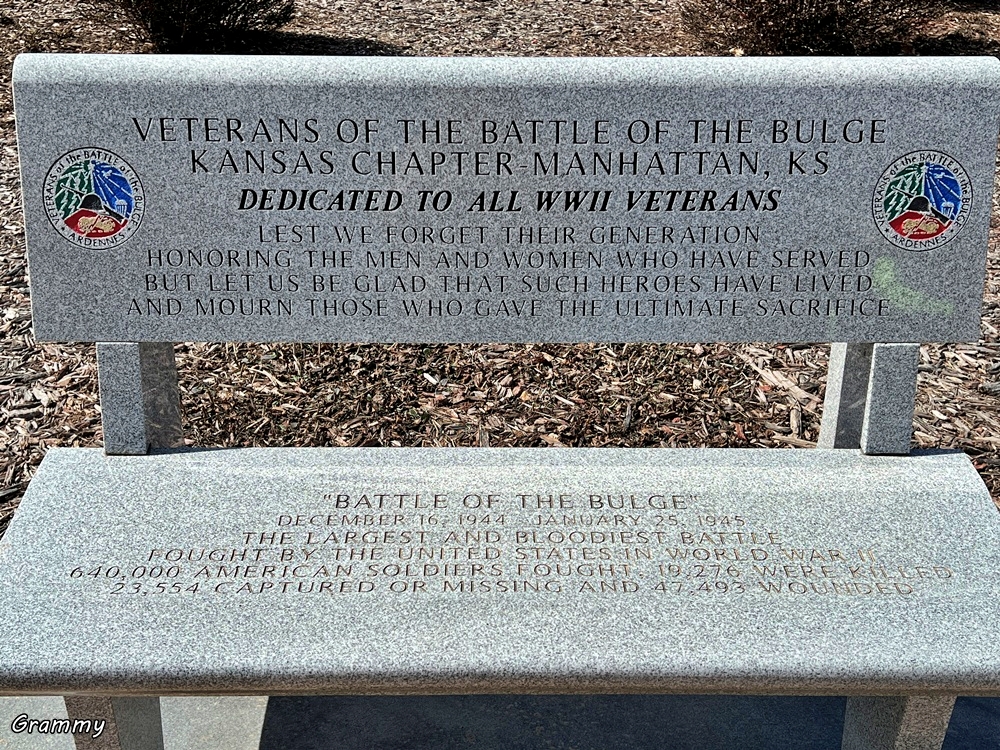
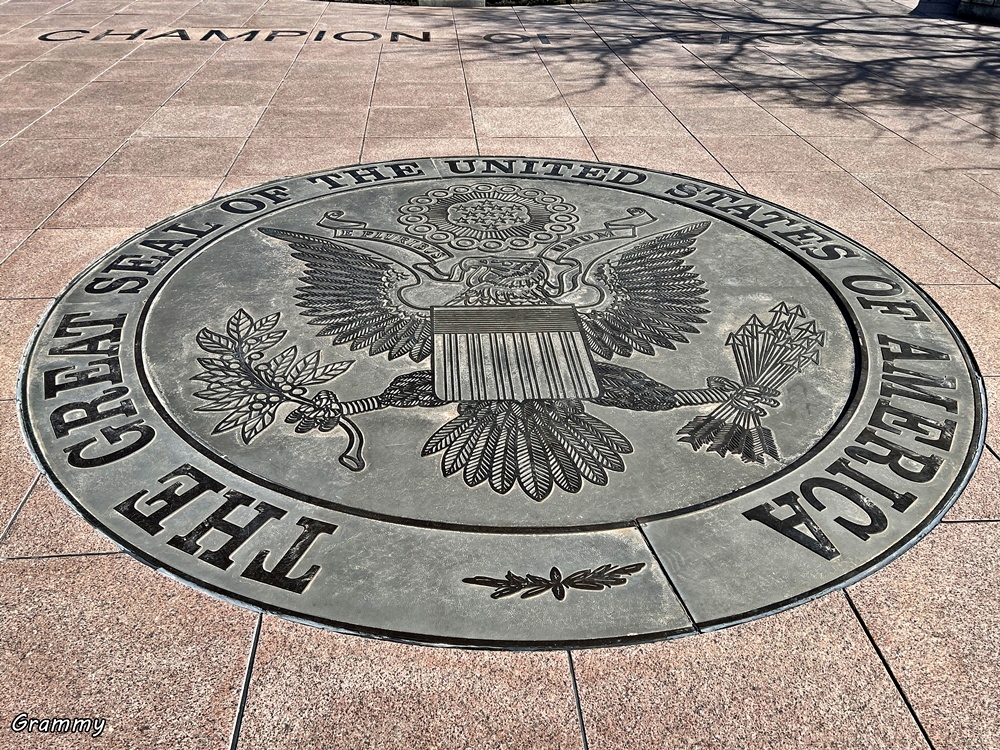
Eisenhower is buried in the Place of Meditation at his presidential library in Abilene, alongside his wife, Mamie, and their son Doud Dwight. Doud died of scarlet fever at just three years old; Mamie lived until 1979.
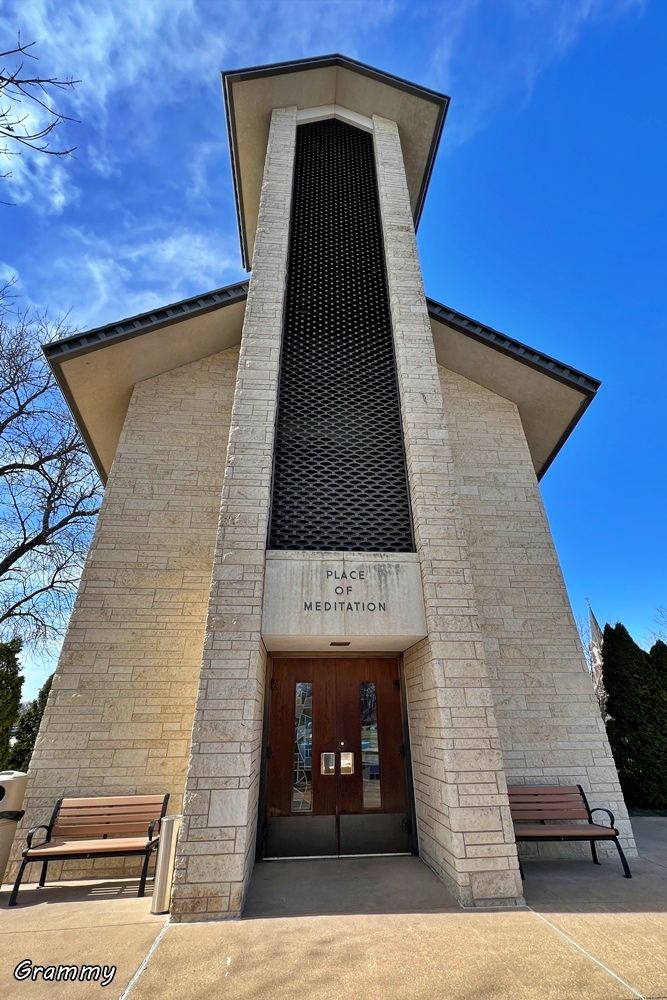
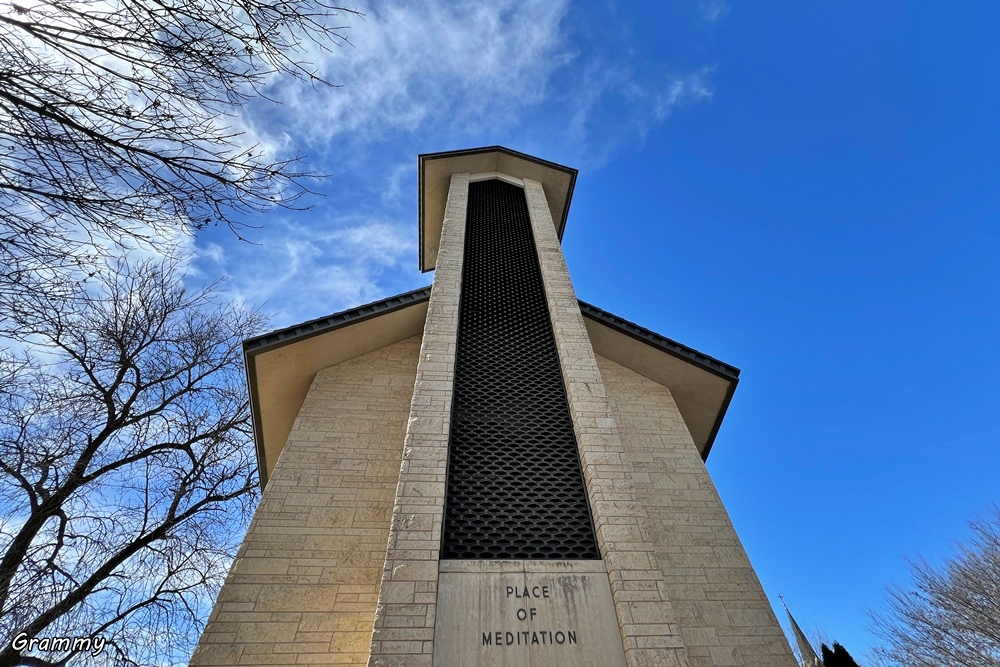
I’m impressed that a boy from a small Kansas town would go on to achieve so much. To me, Abilene is more than the hometown of a famous president; it is part of my own childhood with memories of school trips, campaign slogans, and a sense of connection to a man who grew up so close to where I did. Abilene may have been where Eisenhower’s story began, but his life carried him far beyond Kansas—to the highest levels of military command, the White House, and ultimately the world stage.


I recognized Ike in the first image before I read your first word. More importantly, I will no longer think of Abilene TX before Abilene KS!
LikeLiked by 1 person
I think Abilene TX is twice the size of Abilene KS, but we have Ike to be proud of! And, yes, he’s a pretty recognizable man.
LikeLiked by 1 person
So interesting. Loved the photographs.
Gwen.
LikeLiked by 1 person
Thanks, Gwen! Glad you enjoyed the photos. Take care!
LikeLike
Thank you for sharing this great post about a great President! I’m so thankful all these presidents have their libraries to have a place for their history to share. Amazing men!
We have 2 presidential libraries here where I live in California. President Nixon which is small and at his birth place in Yorba Linda. And President Ronald Reagans is a beautiful library and it’s huge with the Air Force 1 plane there now. Someday I’d like to visit Abilene. ❤️
LikeLiked by 1 person
I had forgotten Nixon was from California, but Reagan I knew was from there. I’m sure he has an outstanding library and I would love to see it someday. These libraries are keepers of such important pieces of our history.
LikeLiked by 1 person
Hello there. Have you seen the recent movie titled “Pressure”? It’s about the meteorologist who advised Eisenhower in re when D-Day would be feasible weather-wise. Good movie. Brendan Fraser plays Ike.
LikeLiked by 1 person
Hi! I have not seen that movie, but it sounds great! I will have to find it and settle in with some popcorn! Thanks for the suggestion.
LikeLike
We watched the movie over the weekend. We really enjoyed it! Thanks so much.
LikeLike